At least seven journalists have been detained on terrorism allegations in Ethiopia after they aired a story accusing men in military uniforms of raping a woman in 2020.
The detention has sparked widespread criticism from human rights NGOs and press freedom advocates.
The journalists, who work for the privately-owned Ethiopian Broadcasting Service (EBS), were arrested in late March after the station broadcast a woman’s claims of being abducted and raped by men in military uniform.
However, the woman later retracted her statements on a state-owned channel.
According to court documents reviewed by the Committee to Protect Journalists (CPJ), police allege that the journalists “sought to incite conflict, threaten the constitutional order, and overthrow the government in coordination with ‘extremist’ groups” in the Amhara region.
The journalists, along with the woman who made the accusations, were remanded in custody pending a 14-day investigation.
The CPJ has condemned the arrests, calling them a “disproportionate response to concerns over lapses in journalistic ethics.”
“Arresting journalists on terrorism allegations is a disproportionate response to concerns over lapses in journalistic ethics,” said CPJ Africa programme coordinator Muthoki Mumo.
The detention of the journalists has raised concerns about press freedom in Ethiopia, which ranks 141st out of 180 countries in the Reporters Without Borders 2024 press freedom index.
The country has been criticized for its repression of dissenting voices and widespread self-censorship.
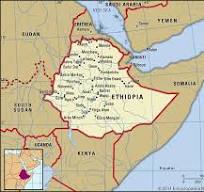
The Amhara region, where the alleged incident took place, has recently seen a surge in violence. In April 2023, a local group called the Fano went from being allies of the federal government to launching an armed rebellion.
Despite the government placing the region under a state of emergency from August 2023 to June 2024, the unrest did not stop, and authorities sent in military reinforcements in September.
The detention of the journalists has sparked widespread criticism, with many calling for their immediate release. The case highlights the ongoing challenges faced by journalists in Ethiopia and the need for greater press freedom in the country.