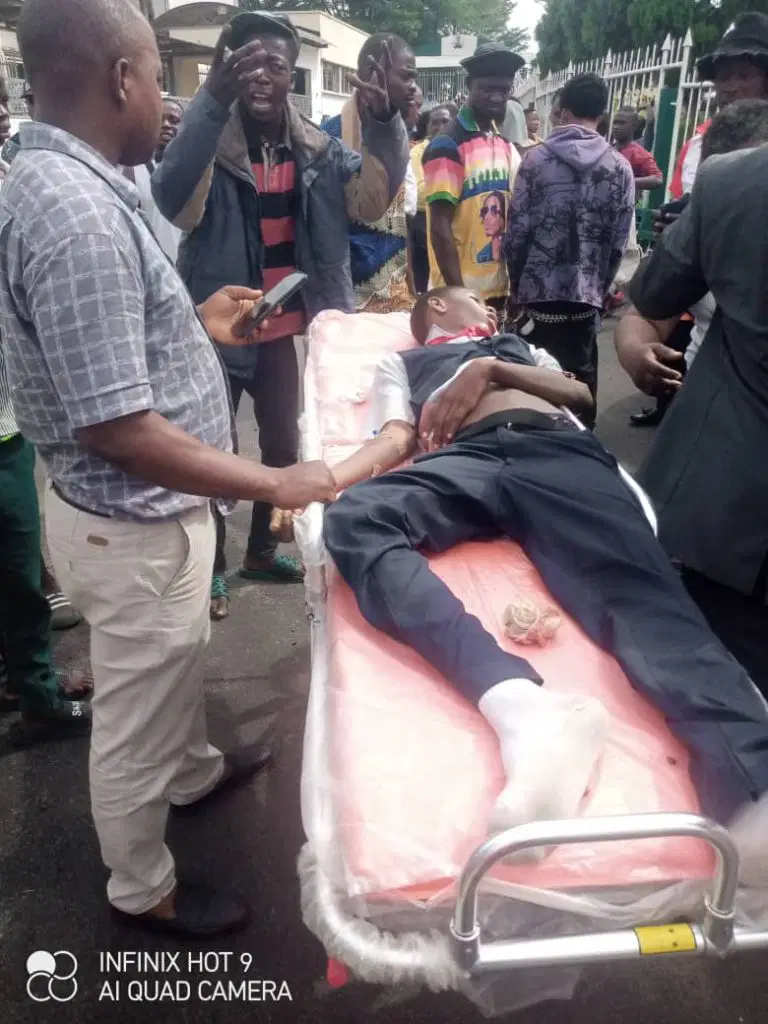
The Alade family home in Ibadan, Oyo State, is now a place of sorrow. Once lively with children’s voices and family chatter, it now echoes with mourning. Kehinde Alade, a 13-year-old student, was killed by a police bullet in a moment that has left his family and community devastated.
Kehinde, a student at Jislord High School, was in the car with his father, Odunayo Alade, his twin brother Taiwo, and older brother Emmanuel on the way to Emmanuel’s WAEC exam when tragedy struck. Near Old Ife Road in Alakia, a police officer opened fire on their vehicle fatally hitting Kehinde.
“I just want justice,” Odunayo said, surrounded by mourners. He recounted how officials from the Oyo State Road Traffic Management Authority (OYRTMA), along with police officers, had blocked his path.
“I didn’t even know the police were there. One OYRTMA official blocked me. Then another vehicle hit mine. I tried to reverse and leave quickly we were running late for the exam. Then I heard the shot. Kehinde shouted, ‘Daddy!’” Odunayo said, his voice trembling.
He had also been driving two other children from a family friend at the time.
Confusion and Outcry
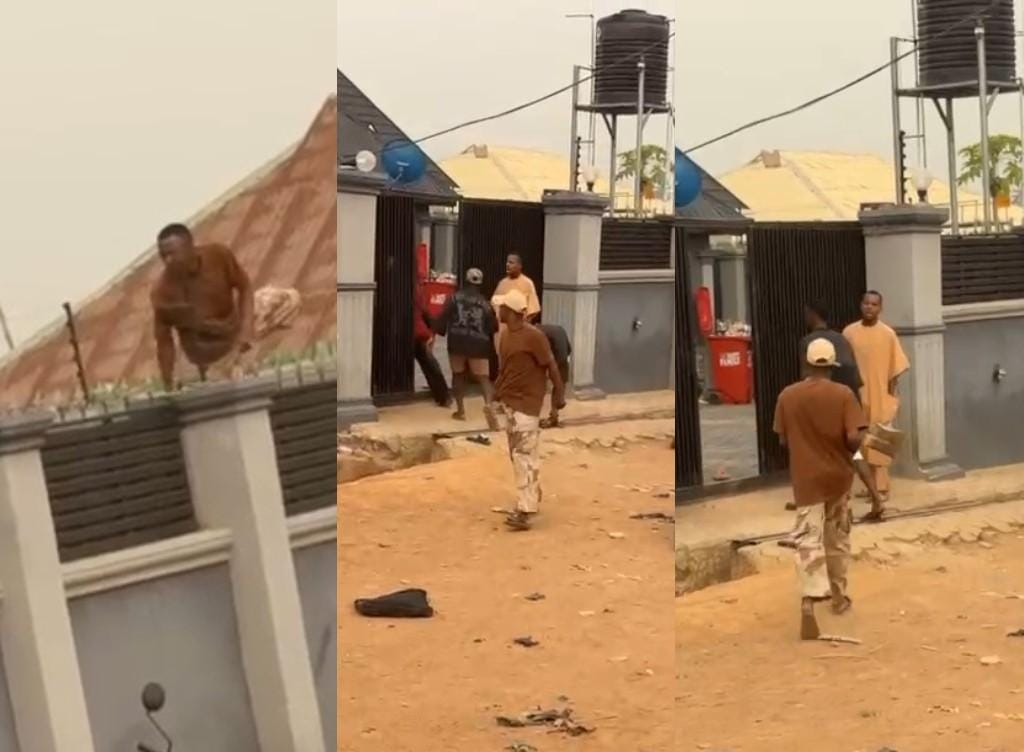
The aftermath was immediate and explosive. Angry youths carried Kehinde’s body to the state secretariat at Agodi, demanding justice from Governor Seyi Makinde. The boy’s remains were later taken to Adeoyo Hospital’s morgue.
The Oyo State Government issued a statement alleging Odunayo had driven against traffic in a black, tinted Honda Accord, leading to the “accidental” shooting. Odunayo disputes this, saying only the rear window was tinted and all passengers, including children, were clearly visible.
Local witnesses said the area is known for unofficial shortcuts, but insisted that didn’t justify the use of lethal force.
“They’ve Shot Me” – Kehinde’s Last Words
Kehinde’s twin, Taiwo, is heartbroken. “I loved him so much. I miss him. I wish he were still here,” he said, barely able to speak through tears.
Family neighbor Mrs. Peter Funmilayo, who was also in the car, recalled how officers had opened the door, seen the children, and shut it only for a gunshot to follow moments later.
“Kehinde screamed, ‘They’ve shot me!’ My husband rushed him to the hospital immediately,” she said.
Medical Response and Tragic Outcome
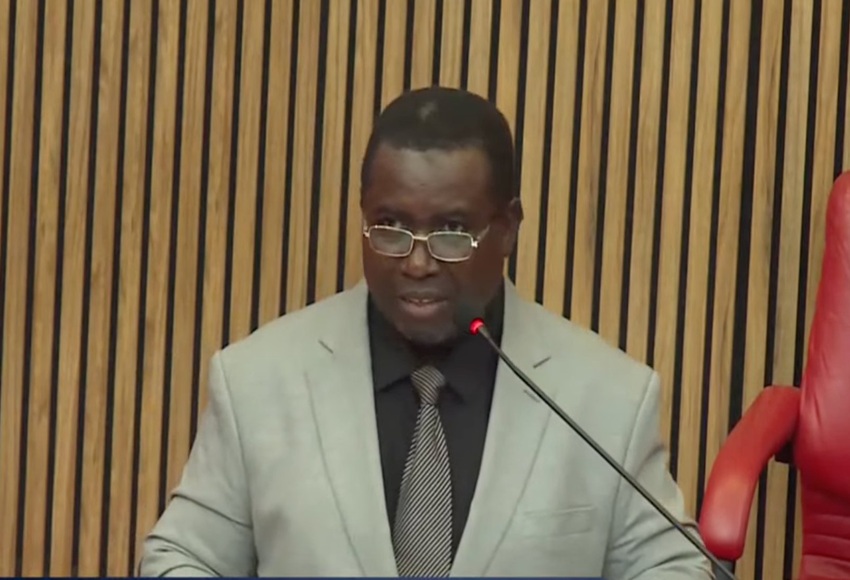
Dr. Segun Olaniyi of Welfare Hospital confirmed that Kehinde had been shot in the back, with the bullet exiting through his abdomen. He was transferred to the University College Hospital (UCH) in Ibadan but died before arrival.
“He was barely alive when he arrived,” Dr. Olaniyi said.
Demands for Justice
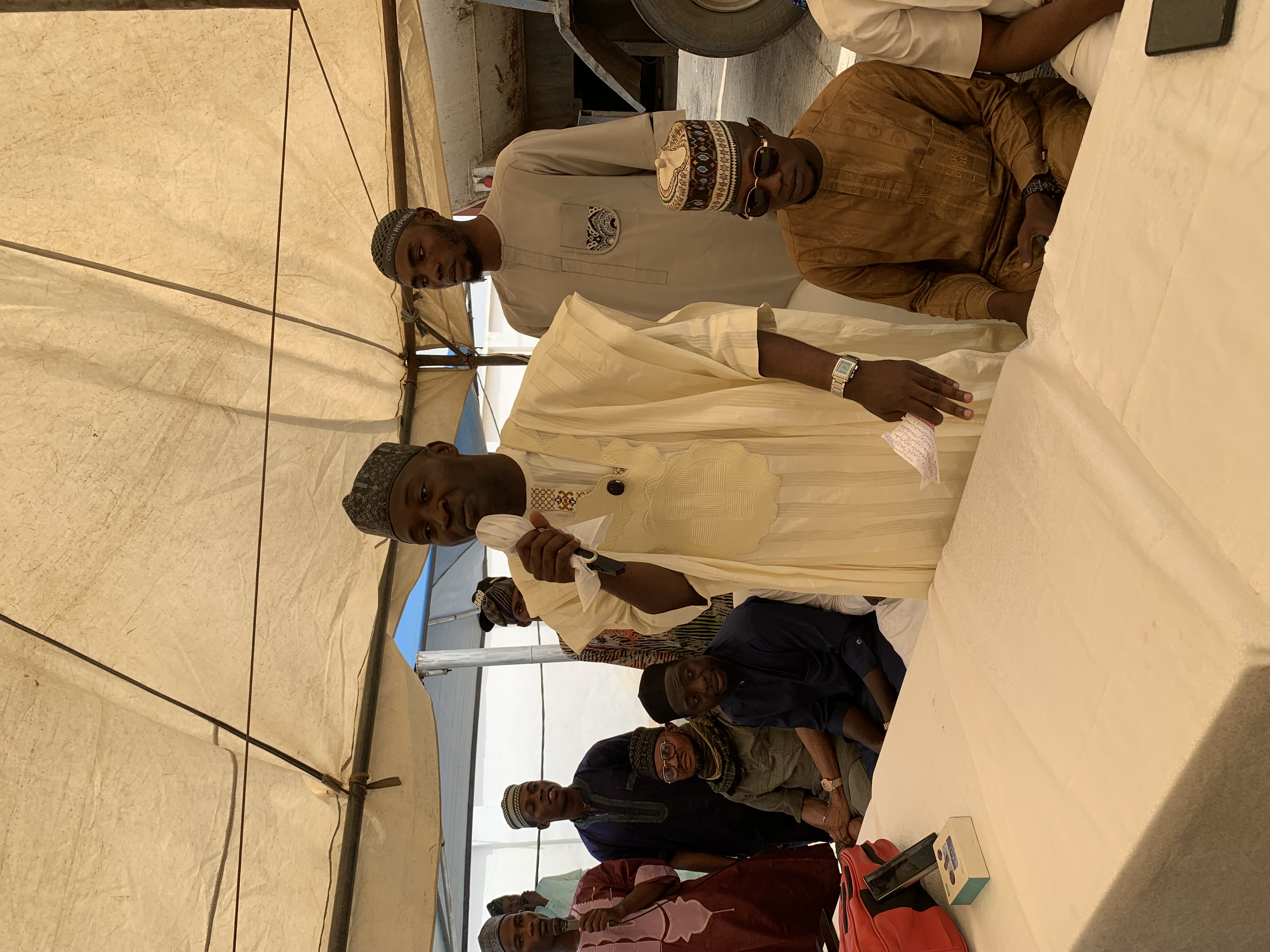
Community leaders and human rights advocates have condemned the shooting. Chief Onaolapo Adegbayi, the Baale of Adegbayi and a retired military officer, said, “Even if the father broke traffic rules, shooting was unjustified. He should’ve been arrested, not shot at.”
Debo Adeniran, President of the Committee for the Defence of Human Rights, called the incident an abuse of authority. “This wasn’t law enforcement it was lawlessness.”
Senior Advocate of Nigeria Clement Onwuenwunor labeled the act manslaughter. “Driving against traffic is not punishable by death,” he said.
The National Association of Nigerian Students (NANS) has demanded immediate accountability. Its Oyo State Chairman, Tiamiyu Ademola, issued a 24-hour ultimatum for the police to name the officer responsible.
A Bright Light Extinguished
Kehinde is remembered as a gentle, gifted child. He played drums at church and had recently attended an event with his father.
“He was so shy, he didn’t even ask for water. I gave him a sachet. I never imagined it would be the last time I’d see him,” said family friend Fajobi Olumide.
Now, as the Alade family grieves, one demand unites them and the broader community: justice must be done.
PUNCH
Advertisement