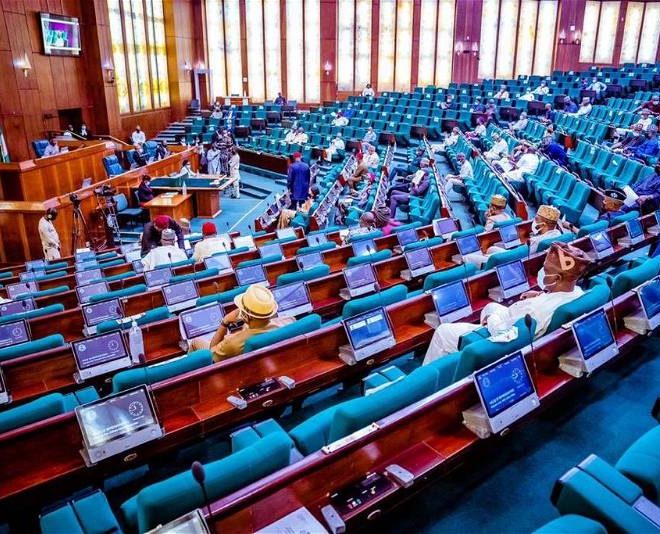
The Speaker of the House of Representatives, Rt. Hon. Abbas Tajudeen, has officially withdrawn a proposed bill that sought to make voting compulsory for all eligible Nigerians, following widespread public outcry.
The bill, co-sponsored by Hon. Daniel Asama Ago, aimed to amend the Electoral Act 2022 in a bid to increase civic engagement and strengthen democratic participation by mandating voter turnout.
In a statement issued on Monday by his Special Adviser on Media and Publicity, Musa Abdullahi Krishi, Speaker Abbas said the decision came after “extensive consultations with a broad spectrum of stakeholders” across the country.
“From the outset, the bill was introduced with the best of intentions to bolster civic engagement and strengthen our democracy by encouraging higher voter turnout,” the statement noted.
Originally passed for second reading on March 21, 2024, the bill sparked significant public debate. Supporters highlighted its potential to improve voter turnout, while critics expressed concern over its impact on individual freedoms and the practical challenges of enforcement within Nigeria’s diverse and complex electoral system.
Speaker Abbas acknowledged that while countries like Australia, Belgium, and Brazil have successfully implemented compulsory voting with participation rates exceeding 90%, Nigeria must adopt reforms that reflect its unique socio-political landscape.
“Lawmaking is ultimately about the people it serves, and any reform must respect individual freedoms,” he stated.
Instead of mandating participation, the Speaker affirmed his commitment to exploring alternative approaches that encourage voluntary voter engagement, particularly among youth and first-time voters.
“This withdrawal creates an opportunity for deeper dialogue on fostering a culture of voluntary civic participation that upholds democratic ideals and respects citizens’ rights,” he concluded.
The bill had drawn mixed reactions from the public, with many Nigerians urging lawmakers to tackle the underlying causes of voter apathy, such as electoral violence, lack of trust in the system, and logistical difficulties on election days.
Advertisement