Transport workers, farmers, and civil society organizations across Nigeria have vehemently opposed a proposed 5% fuel user charge on petrol and diesel, warning that its implementation could deepen economic hardship and trigger widespread protests.
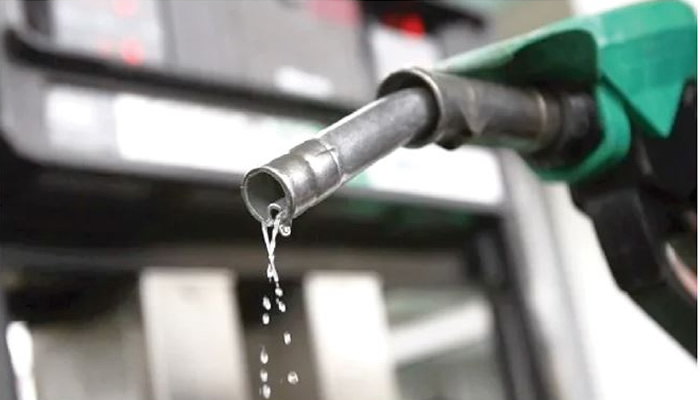
The House of Representatives Ad Hoc Committee on the non-remittance of the statutory charge recently recommended enforcing the fee in accordance with the Federal Roads Maintenance Agency (FERMA) Act of 2007.
The Act stipulates that 5% of fuel pump prices should be allocated to road maintenance with 40% directed to FERMA and 60% to State Road Maintenance Agencies.
The proposal comes amid soaring fuel costs, with the Nigerian National Petroleum Company Limited (NNPCL) recently increasing petrol prices in Lagos from ₦915 to ₦925 per litre within just two days.
For many Nigerians already burdened by inflation and a weakened economy, the proposed charge is seen as an added financial strain.
Akintade Abiodun, National Chairman of the Joint Drivers Welfare Association, rejected the plan outright, accusing the government of exploiting the public.
“They think we won’t react because we didn’t protest the last time fuel prices rose. Now they want to add more costs. We won’t accept this,” he said.
Kabiru Ibrahim, President of the All Farmers Association of Nigeria, echoed the concern, warning of a ripple effect on food prices.
“When fuel becomes more expensive, so does transportation. That directly drives up the cost of food. Farmers can’t bear that extra cost Nigerians will suffer more,” he cautioned.
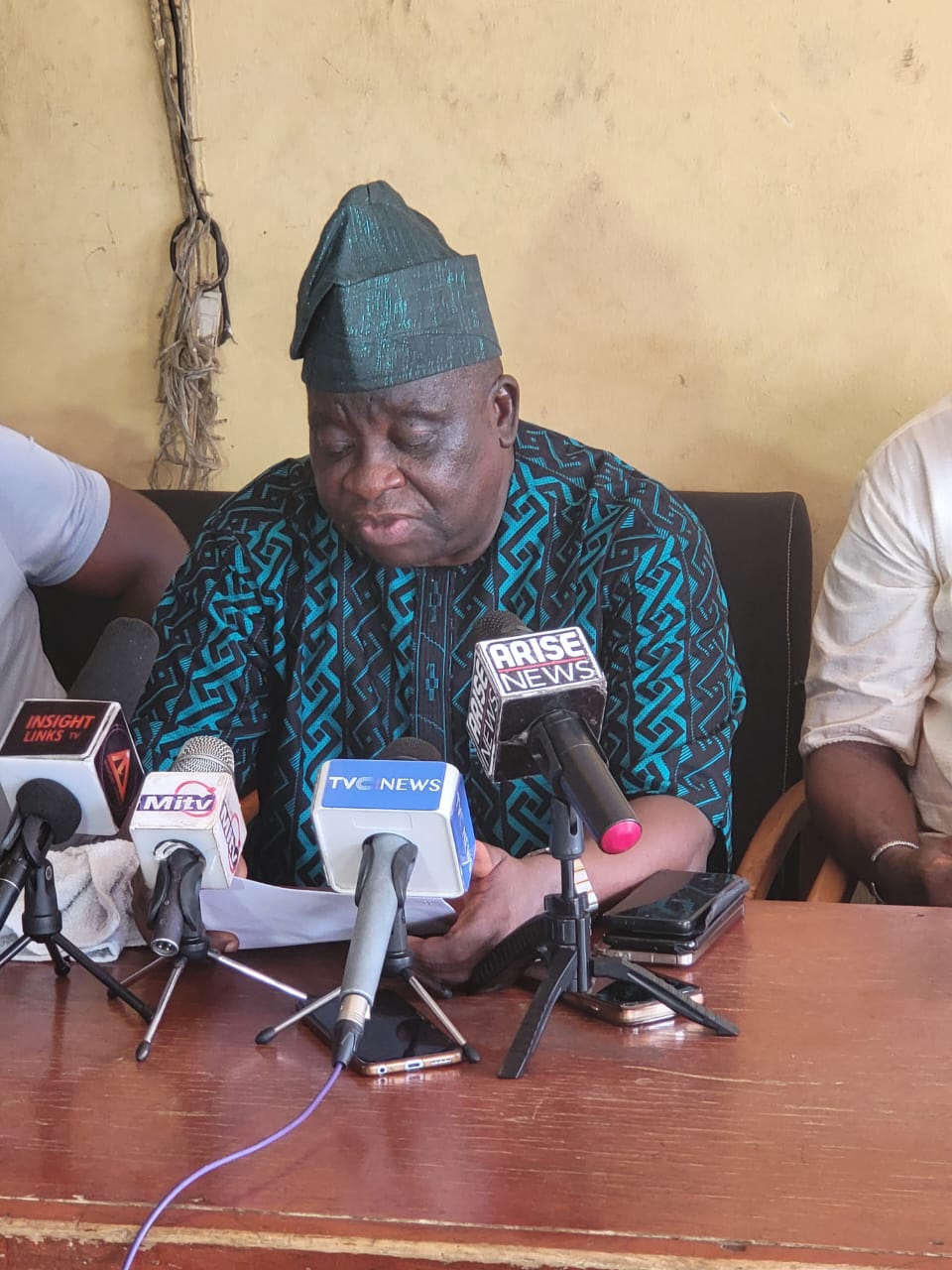
Jackson Omenazu, Chancellor of the International Society for Social Justice and Human Rights, condemned the proposal as disconnected from the realities of ordinary citizens.
“Lawmakers sit in comfort, raise their own allowances, then push policies that hurt the poor. This isn’t governance it’s cruelty. If protests break out, it will be a result of their indifference,” he said.
Devison Nze, Executive Director of the Human Rights and Justice Group, also criticized the timing of the policy.
“At a time when inflation is already squeezing households, introducing a fuel tax is reckless. Lawmakers should be easing the burden, not adding to it,” he said.
However, not all stakeholders opposed the proposal outright. Alhaji Yusuf Othman, President of the Nigerian Association of Road Transport Owners, expressed conditional support provided the funds are managed transparently.
“Yes, our roads need attention, and FERMA requires funding. But without transparency and accountability, this will only worsen public distrust and hardship,” he warned.
As public discontent mounts, pressure is growing on the government to reconsider the proposed fuel charge or face possible nationwide protests.
Advertisement