The Federal Inland Revenue Service (FIRS) has introduced a series of reforms aimed at easing the administrative burden on small and medium-sized enterprises (SMEs), as part of its broader strategy to modernize Nigeria’s tax system and encourage voluntary compliance.
Central to these efforts is the implementation of the 2024 Withholding Tax (WHT) Regulations, which are designed to align Nigeria’s tax framework with international best practices. The new regulations seek to streamline tax processes, improve transparency, and support the growth of SMEs.
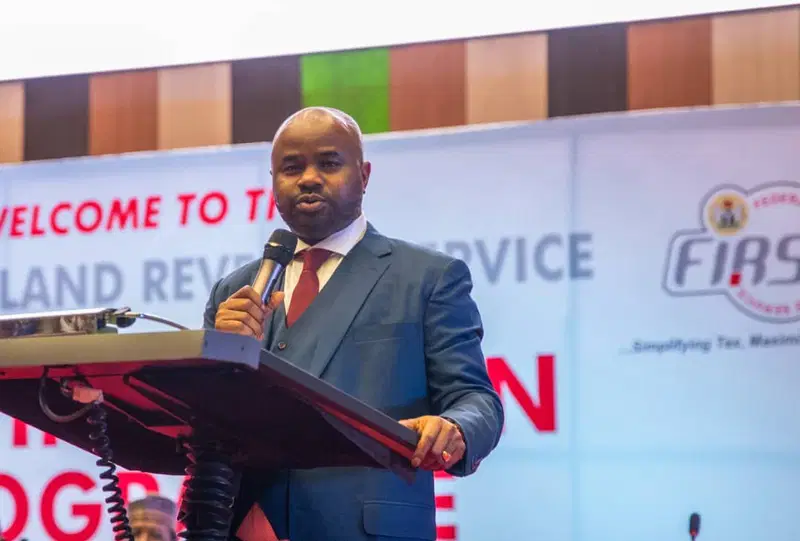
These developments were spotlighted during a recent stakeholder engagement forum in Abuja, which brought together tax professionals, consultants, compliance experts, and other key players in the country’s tax space. Discussions focused on deduction responsibilities, exemptions, installment options, and enhanced compliance mechanisms.
Speaking at the forum, Collins Osagie Omokaro, Special Adviser on Communications and Advocacy to the FIRS Executive Chairman, Dr. Zacch Adedeji, stressed the importance of collaboration in achieving effective tax administration.
“The Executive Chairman believes that a strong tax system must be built on understanding and dialogue. These forums allow us to clarify policies, hear feedback, and work with taxpayers to improve outcomes. That’s how we build trust and long-term compliance,” Omokaro said.
The 2024 WHT Regulations aim to tackle longstanding issues SMEs face, such as complex filing procedures and unclear compliance requirements. By simplifying these processes, FIRS hopes to foster a more inclusive and business-friendly tax environment that contributes to national economic growth.
Tax professionals at the forum welcomed the reforms, calling them a timely and necessary bridge between policy and practical application. They noted that direct engagement with FIRS helps improve service delivery and client advisory.
The event also featured awards for top-performing taxpayers recognized for their excellence in compliance and prompt remittance, highlighting FIRS’s commitment to transparency, accountability, and incentivized compliance.
As FIRS pushes ahead with the modernization of Nigeria’s tax infrastructure, the agency has reaffirmed its commitment to stakeholder engagement, taxpayer education, and high service standards. The leadership envisions a responsive, citizen-focused tax system that supports sustainable development.
“These reforms go beyond revenue collection, they are about building an enabling environment where businesses can thrive and contribute meaningfully to the economy,” Omokaro added.
The stakeholder forum marks another milestone in FIRS’s drive to foster trust, improve compliance, and support Nigeria’s economic transformation through forward-looking tax policies.
Advertisement