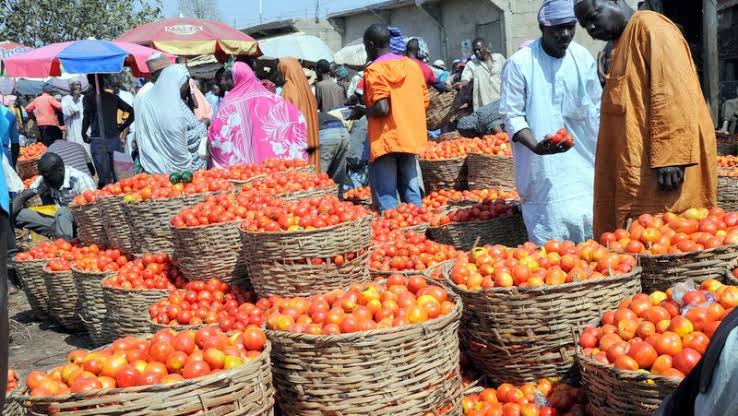
With just days to Eid-el-Kabir, the collapse of the Mokwa Bridge in Niger State has triggered a sharp spike in the prices of tomatoes, peppers, onions, and other perishable goods nationwide.
The bridge, a vital link between Northern food producers and Southern markets, was destroyed by a devastating flood last Thursday that claimed over 200 lives and left many missing.
The disaster has left hundreds of trucks stranded, with tons of perishable goods now at risk of rotting, leading to severe supply shortages and dramatic price hikes across the country.
Perishables Stuck, Traders Panic
According to Alhaji Isa Aliyu, President of the National Onion Producers, trucks carrying onions to the South-West are currently stuck in Mokwa.
Alhaji Umarun Basiru of the Tomatoes Traders Association added that 15 trucks carrying tomatoes and peppers worth approximately ₦250 million from Kebbi State are also trapped.
Bauchi-based food dealer Aminu Aliyu noted that the disruption is worsening already inflated prices.
“Demand is rising due to Sallah, but supply has been cut. Prices have doubled or even tripled,” he said.
Nationwide Price Surge
The impact is being felt in markets from North to South:
Lafia, Nasarawa: Tomato baskets now cost ₦20,000–₦25,000 (up from ₦10,000).
Ilorin, Kwara: Prices range from ₦18,000 to ₦70,000.
Lagos (Mile 12 Market): Small baskets surged from ₦7,000 to ₦14,000; large baskets hit ₦35,000–₦40,000.
Kaduna: Sellers warn of further shortages if goods spoil.
Uyo, Akwa Ibom: Onions jumped from ₦60,000 to ₦75,000; potatoes from ₦45,000 to ₦53,000.
Benin City: Vegetable bunches that cost ₦400 now go for ₦1,000.
Damaturu, Yobe: Tomato baskets rose from ₦20,000 to ₦55,000; peppers from ₦15,000 to ₦22,000.
Delta State: Tomatoes now exceed ₦50,000, up from ₦35,000.
Osogbo, Osun State: Traders rely solely on local produce due to halted northern supply.
Cross River: Residents lament worsening food inflation and call for urgent action.
Mounting Losses, Pleas for Help
Truck drivers and farmers are counting their losses. Musa Mohammed of the Truck Owners Association called the situation a “major setback” with far-reaching consequences. Garba Yusuf, a Gombe-based farmer, fears his harvest may never make it to market.
Bulus Andrawus, Deputy Chairman of the Plateau Truck Drivers Association, said some drivers have been stranded for over five days, with livestock dying en route.
Urgent Calls for Government Response
Market leaders like Ibrahim Muhammad of Kasuwa Tomatoes Market in Lafia have urged the federal and Niger State governments to act swiftly.
“People were already struggling. Now it’s worse. The government must intervene immediately,” Muhammad said.
As Nigerians prepare for Sallah, many are grappling with skyrocketing food costs, an already fragile economy, and the growing fallout from this critical infrastructure failure.
Punch
Advertisement