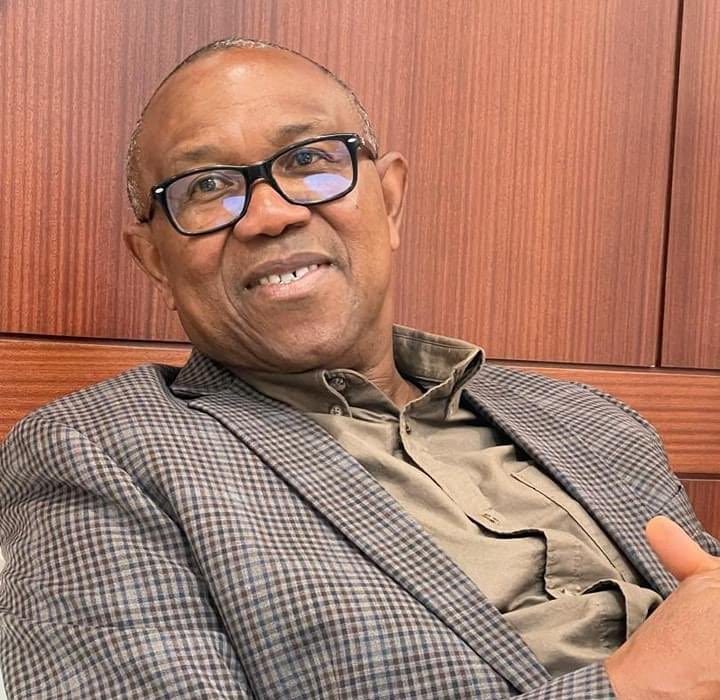
Peter Obi, former governor of Anambra State and the Labour Party’s 2023 presidential candidate, has criticized President Bola Tinubu for what he called a delayed and selective response to national disasters.
In a statement shared Tuesday on his verified X (formerly Twitter) account, Obi welcomed President Tinubu’s recent visit to Benue State following a wave of brutal killings. However, he urged the president to show the same urgency and empathy toward Niger State—especially Mokwa—where catastrophic flooding has reportedly left over 200 dead and more than 1,000 missing.
“It was refreshing news that President Bola Ahmed Tinubu has finally decided to visit the scene of the brutal killings in Benue. For this, I thank him,” Obi wrote.
“However, I urge that the same gesture be extended to Niger State, which recently experienced a greater loss of life due to severe flooding.”
Obi argued that disasters of such scale require immediate presidential attention—not only to show solidarity but to send a strong message of national unity and compassion.
“A prompt visit would have conveyed the needed urgency, instead of setting future dates that give the impression of routine state visits,” he added.
Highlighting the severity of both crises, Obi emphasized that Benue and Niger States have each suffered immense losses, with death tolls reportedly surpassing 200 in each case. He warned against skewed national attention, reminding the government that behind the numbers are grieving families and shattered communities.
To illustrate his point, Obi referenced a recent example from South Africa, where President Cyril Ramaphosa traveled more than 1,800 kilometers round-trip to personally console victims of a flood disaster—despite a lower death toll.
“If the South African President could travel that far to mourn with less than 100 affected families, we believe our own president can do the same for his people. Let your visit to Mokwa send a clear message: all Nigerian lives matter,” Obi urged.
Obi concluded his remarks with a call for more than symbolic visits, pressing for a more proactive, compassionate leadership style—one that prioritizes effective disaster response and national security.
“We want to see a leadership style that is proactive and compassionate—not one governed by remote control,” he said.
Advertisement