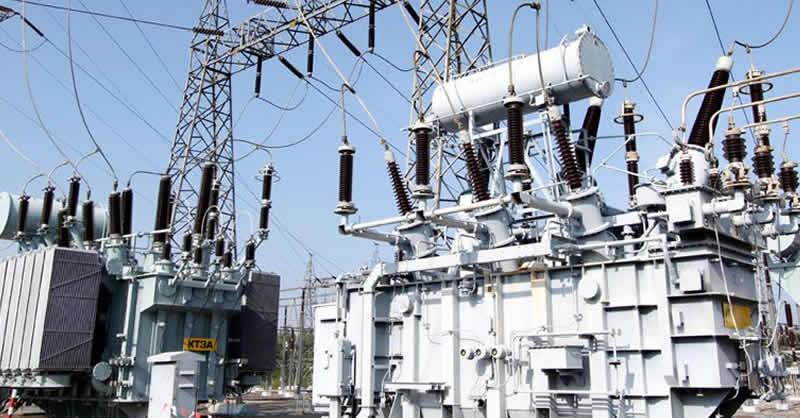
The Presidency has launched efforts to settle the N2 trillion debt owed to electricity generation companies (GenCos), signaling a renewed push to stabilise Nigeria’s power sector amid mounting financial pressures.
This was revealed on Monday at the 2025 Nigerian Electricity Supply Industry (NESI) Stakeholders Meeting in Abuja, hosted by the Nigerian Electricity Regulatory Commission (NERC).
Representing the Special Adviser to the President on Energy, Eriye Onagoruwa, a spokesperson confirmed that internal processes are underway to address the debt burden, with the Presidency working in collaboration with the Coordinating Minister of the Economy and the Debt Management Office (DMO) to explore alternative debt instruments.
“We are empathetic to what GenCos are facing,” Onagoruwa said. “Internal approvals are underway, and I hope to provide a clear update by the next NESI meeting.”
The unresolved debt has significantly strained GenCos’ operations, with total outstanding receivables reportedly exceeding N4 trillion.
The Senate Committee on Power also highlighted that the federal government currently owes approximately N200 billion monthly due to persistent tariff shortfalls pushing the estimated unpaid balance for 2025 to around N800 billion.
Monday’s NESI meeting brought together regulators, operators, and stakeholders across the electricity value chain to address long-standing sector challenges and advance key reforms.
Among the critical agenda items were bridging the metering gap, implementing the Presidential Metering Initiative, establishing a Meter Asset Fund, launching the Nigerian Independent System Operator (NISO), transitioning to a multi-tier electricity market, clarifying the role of State Electricity Regulatory Commissions under the Electricity Act 2023.
Acting Managing Director of the Nigerian Bulk Electricity Trading Plc (NBET), John Akinnawo, warned of potential market fragmentation amid growing decentralisation and urged NISO to ensure consistency in policy implementation across the sector.
NISO’s Managing Director, Abdu Mohammed Bello, presented a roadmap for the new agency, emphasising its role in strengthening system coordination, promoting transparency, and enhancing market stability.
Stakeholders welcomed the Presidency’s debt resolution initiative, viewing it as a critical step toward reviving investor confidence and ensuring the sector’s long-term viability.
As the nation awaits concrete actions in the coming months, the success of this debt clearance plan is seen as pivotal to reversing Nigeria’s persistent power supply challenges.
Advertisement