
The British government has announced plans to lower the national voting age to 16, marking a significant shift that would place the UK among a select group of countries with some of the world’s lowest voting age thresholds.
The proposed reform follows a campaign promise made by the Labour Party before it took office last year. It forms part of a broader agenda aimed at overhauling the UK’s democratic system, amid growing concerns over declining voter turnout and public disengagement.
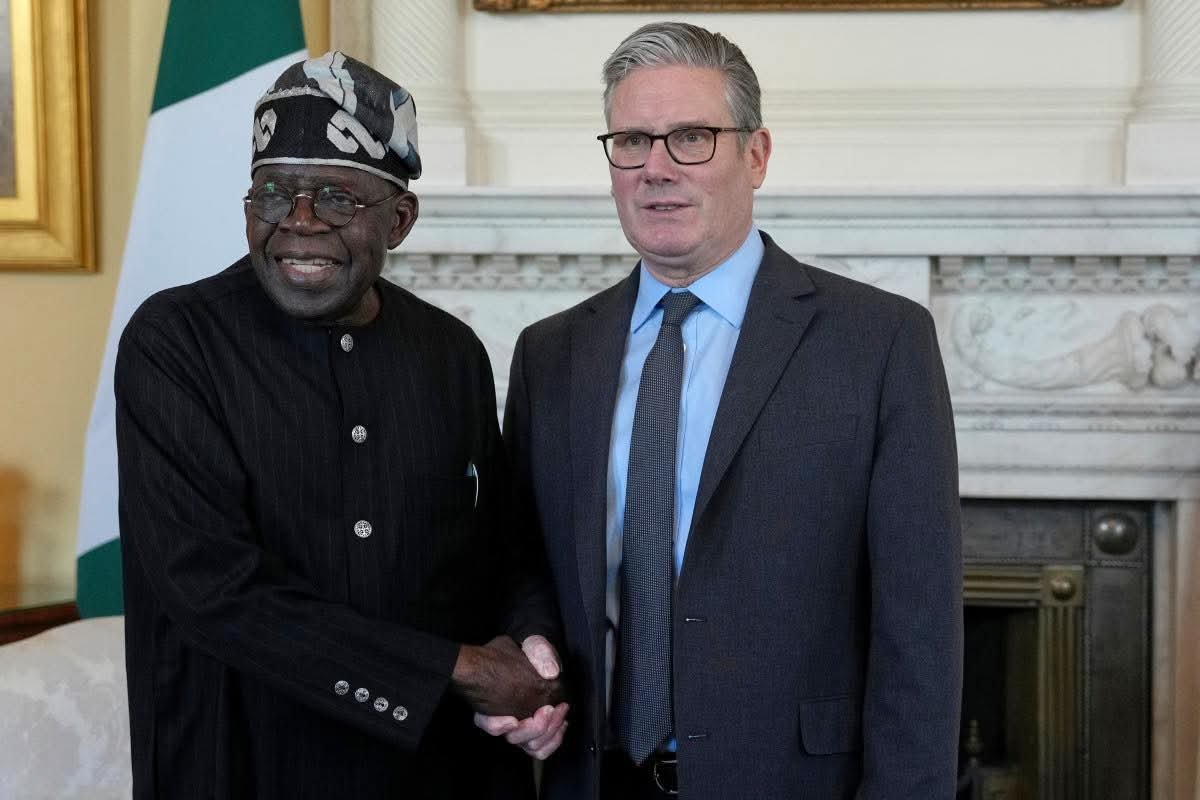
Prime Minister Keir Starmer defended the move, stating, “If 16- and 17-year-olds are old enough to work and pay taxes, then they should also have a say in how their money is spent and the direction of government policy.”
Critics, however, argue the change is politically motivated, pointing out that younger voters are statistically more inclined to support Labour.
To implement the policy, the government will need to pass legislation through Parliament, where Labour holds a strong majority. Once approved, the UK will join a small group of countries — including Austria, Argentina, Brazil, Ecuador, and Cuba — that allow 16-year-olds to vote in national elections. Austria was the first EU nation to adopt the measure in 2007.
Labour leaders say the goal is to “modernise democracy” and raise participation, especially among young people. They also aim to harmonise the voting age with regional elections in Scotland and Wales, where 16- and 17-year-olds can already vote.
The government also plans to roll out automatic voter registration and accept UK-issued bank cards as valid voter ID — changes inspired by systems in countries like Australia and Canada.
These reforms come in response to earlier electoral law changes by the former Conservative government, which introduced mandatory photo ID at polling stations. That policy was blamed for preventing around 750,000 people from voting in the last election, according to the Electoral Commission.
Harry Quilter-Pinner, executive director of the Institute for Public Policy Research, called the proposed changes “the most significant reform to the UK’s electoral system since 1969,” when the voting age was last lowered from 21 to 18. He said the reforms could add up to 9.5 million new voters and help restore trust in the democratic process.
“Our democracy is under strain, and without bold action, we risk losing legitimacy in the eyes of the public,” Quilter-Pinner warned, while endorsing the reforms.
Advertisement