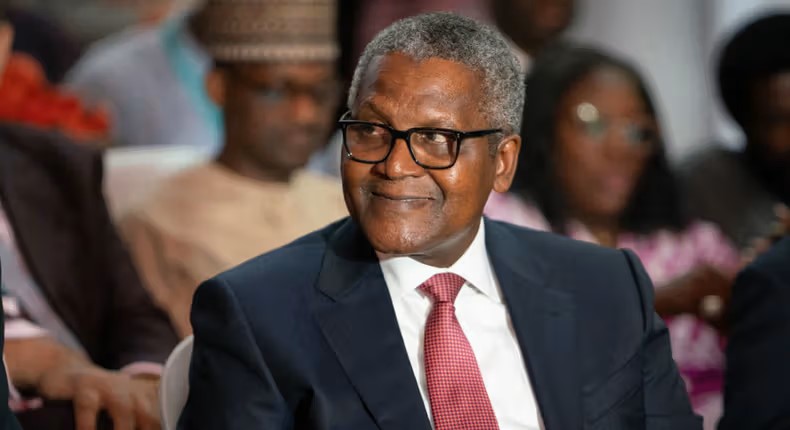
Africa’s richest man, Aliko Dangote, has rejected claims that his companies monopolise Nigeria’s economy, insisting his success is rooted in strategic investments and entrepreneurship rather than political favours or restrictive policies.
Speaking in a Bloomberg feature on Thursday, the President of Dangote Industries Limited argued that Africa must focus on industrialization to avoid becoming a dumping ground for foreign products.
For years, the Dangote Group has faced criticism over its dominance in key sectors like sugar, cement, and, most recently, oil refining. The scrutiny intensified after the launch of the company’s $20 billion refinery, which has now positioned Nigeria as a net exporter of petroleum products for the first time in 30 years.
Critics point to the fact that some of Dangote’s biggest gains came in industries where imports were restricted. A 2007 cable by then-US Consul General Brian Browne later published by WikiLeaks described Dangote as a businessman who used connections in a corrupt system to tilt the playing field.
Dangote dismissed the allegations, stressing that import bans on products like sugar and cement were not in place when he entered those markets.
“If you are going to call first movers monopolists, then you’ll never build a manufacturing base or even establish a nation,” he said.
He admitted the difficulties of completing the refinery, noting Nigeria’s weak infrastructure forced his company to provide most services independently.
“If I knew what I was going to go through, I wouldn’t have tried it,” Dangote confessed.
The Bloomberg Billionaires Index reports that his wealth has grown by $1 billion in the past three months, raising his net worth to $28 billion boosted by the refinery’s progress. Dangote denied benefiting from preferential foreign exchange access, insisting:
“We have made our money clean. We are not part of the corruption. We are part of the problem-solving.”
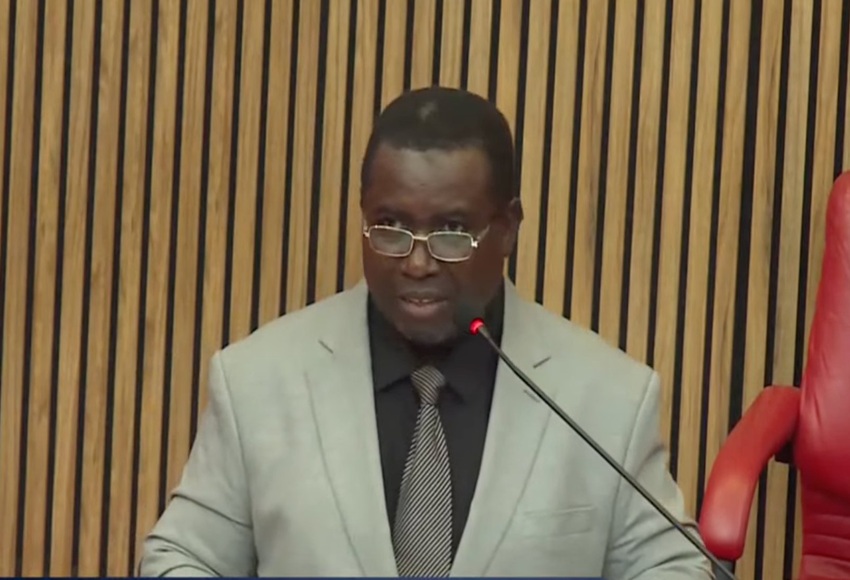
Dangote Industries describes itself as being at the forefront of Nigeria’s industrialisation. Vice President Devakumar Edwin, who oversees the refinery, said:
“This refinery is going to change the whole face of business in the country. Instead of exporting raw material, we are exporting value-added products.”
Dangote’s business journey began in the 1970s in Kano with a $3,000 loan from his uncle. Starting with trade in commodities such as cotton and cocoa, he later moved into transportation and cement imports. He recalled earning up to ₦8,000 daily at the time, enough to buy his first Mercedes for ₦5,100.
In September 2024, Dangote Industries sought a court order to halt oil imports, claiming the refinery could meet Nigeria’s domestic demand. The move, criticised by regulators as potentially monopolistic, was later withdrawn after the company opted for dialogue with the government. President Bola Tinubu has since visited the facility, signaling warmer ties.
Edwin emphasised the importance of protecting local industries, drawing comparisons with global economic powers.
“Governments in the US and China protect their industries. All we are saying is, do the same. Otherwise, we’ll keep exporting raw materials, boosting someone else’s GDP and creating jobs abroad.”
Advertisement