
The rapid spread of affordable smartphones, encrypted messaging apps, and mobile payment systems is transforming Nigeria’s sex trade, shifting much of the activity from traditional brothels and street corners onto online platforms.
From X (formerly Twitter) to Telegram groups, technology now enables sex workers and traffickers to advertise, transact, and operate more discreetly. While this offers new levels of anonymity and access, it also poses challenges for law enforcement and raises concerns about exploitation, underage exposure, and public safety.
Although Nigeria’s Constitution does not directly criminalise prostitution, frequent arrests and harassment of sex workers across the country have fostered the widespread belief that it is illegal. In practice, varying legal frameworks deepen the divide while the south applies indirect laws that make sex work unsafe and effectively unlawful, northern states governed by Shariah law explicitly ban prostitution under the Penal Code.
The digital shift is also reshaping how sex services are marketed and delivered, blurring the lines between consensual adult work and illegal activities such as trafficking and child exploitation leaving teenagers particularly vulnerable in online spaces.
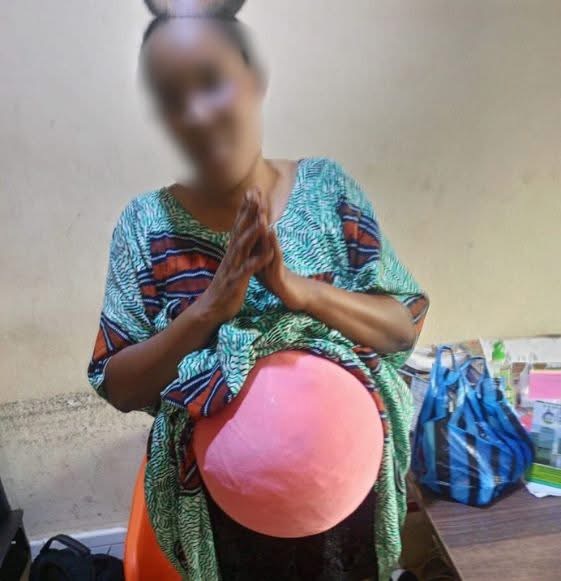
For some, the trade has been a reluctant entry point into survival. Ngozi (not her real name), now in her late 30s, shared her story. Once an aspiring fashion designer with a diploma in Art and Design from The Polytechnic Ibadan, her dreams collapsed in 2011 when financial hardship forced her to abandon her studies. Struggling with bills and no job, she was introduced to the world of “hookup” a term widely used for digital sex work in Nigeria.
“I thought I would only do it for a few months to raise money for school, but here I am 14 years later. I’ve seen it all,” she said.
Ngozi recalled finding her first client on Facebook and later using other platforms to connect with customers. But not every encounter was safe. One meeting nearly ended tragically when she discovered the man she had connected with online intended to use her for ritual purposes. “It was only God that saved me,” she recounted.
Open about her sexuality, Ngozi describes herself as bisexual. “I’ve been with both men and women, but I prefer women now they understand pain better,” she added.
As stories like hers reveal, technology is not only modernising Nigeria’s sex industry but also complicating the social, moral, and legal questions surrounding it.
Advertisement