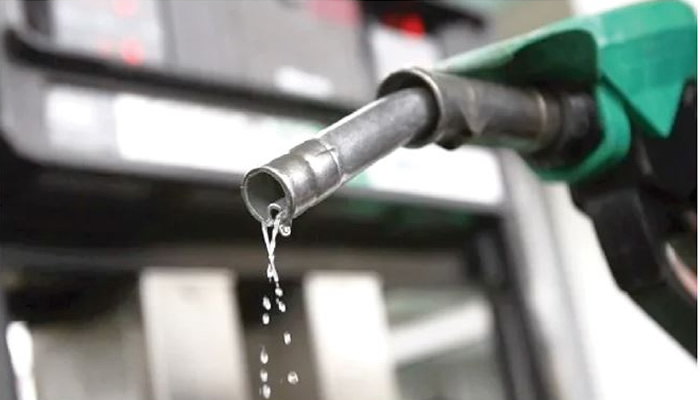
Despite the much-anticipated operational status of the $20 billion Dangote Refinery, Nigeria remains heavily reliant on imported fuel, with over 71 percent of petrol consumed in May and June 2025 sourced from overseas suppliers.
Data released by the Nigerian Midstream and Downstream Petroleum Regulatory Authority (NMDPRA) show that out of 3.25 billion litres of Premium Motor Spirit (PMS) consumed over the two-month period, just 28.62 percent or 927 million litres was refined domestically.
The remaining 2.32 billion litres were imported, underscoring a continued preference by fuel marketers for foreign products, even at the expense of pressure on Nigeria’s foreign exchange reserves.
The report, submitted to the Federation Accounts Allocation Committee (FAAC), highlighted a drop in average daily fuel distribution, from 54 million litres in May to 48 million litres in June. Imports over the period cost marketers N2.1 trillion, with the average pump price hitting N905 per litre.
Lagos State topped the consumption chart with 205.66 million litres, followed by Ogun and the Federal Capital Territory. The lowest volumes were recorded in Yobe, Jigawa, and Ekiti states.
The country’s dependency on imports extended to other petroleum products as well. Jet fuel (ATK) was almost entirely imported, while diesel imports rose notably.
Household kerosene supply declined month-on-month, and liquefied petroleum gas (LPG) imports ceased in June after 116.4 million litres were brought in during May.
The persistent reliance on imports has sparked debate over the future of domestic refining. Aliko Dangote, speaking at the Global Commodity Insights Conference organized by NMDPRA and S&P Global, urged President Bola Tinubu to ban fuel imports under a proposed ‘Nigeria First’ policy. Dangote argued that unrestricted imports weaken the viability of local refineries and deter future investment in domestic capacity.
His call, however, has drawn sharp criticism from industry stakeholders. Groups such as the Independent Petroleum Marketers Association of Nigeria (IPMAN) and the Petroleum Retail Outlet Owners Association of Nigeria (PETROAN) warned that such a move could create a monopoly.
IPMAN’s Chinedu Ukadike emphasized that marketers are not only contending with high regulatory and port charges, often paid in dollars, but also claim that Dangote’s pricing is not competitive.
Energy analyst Jeremiah Olatide of PetroleumPrice.ng pointed out that current import prices remain lower due to cheaper landing costs. He anticipates potential shifts in the market after August 15, when Dangote is expected to increase fuel output.
Legal and policy experts are also raising concerns. Professor Dayo Ayoade, an energy law specialist at the University of Lagos, cautioned that banning imports could breach international trade obligations and undermine Nigeria’s energy security.
“We cannot afford to rely on a single refinery,” he said. “Policy must prioritize supply stability and competition over protectionism.”
Advertisement