No fewer than 239 first-class graduates of the University of Lagos (UNILAG) who were retained as lecturers have left the institution in the last seven years.
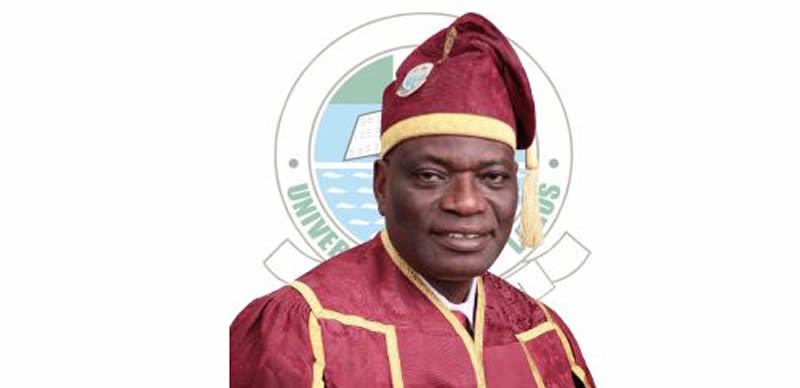
The immediate past Vice-Chancellor of UNILAG, Prof. Oluwatoyin Ogundipe, disclosed this on Tuesday while delivering a lecture at The PUNCH Forum, themed “Innovative Funding of Functional Education in the Digital Age,” held at The PUNCH Place, Lagos-Ibadan Expressway.
Ogundipe said the university retained 256 first-class graduates as lecturers between 2015 and 2022, but only 17 remained in the institution’s employ as of October 2023. He attributed the mass exit to poor remuneration, unconducive working conditions, and low motivation among young academics.
“At UNILAG, we decided that those with first-class honours should be employed. What is remaining is not up to 10 per cent. All of them have gone. One day, I asked the man in charge to give me this information.
“In 2015, 86 were employed; in 2016, 82; during my time, that is, 2017 to 2022, 88 were employed. As of October 2023, only 17 were on the ground. They have gone. Very soon, in the next 10 years, you will have only females in the universities if something is not done,” he said.
The former VC lamented that the sector’s persistent underfunding was crippling the ability of universities to retain top talent. He also warned that unless conditions improve, postgraduate programmes risk admitting underprepared candidates, while women would dominate university academic spaces.
“Many of us are tired. By the time you get home, there is no light, and the Federal Government is saying they are giving us N10m to access as loans. You can see how our lives have been devalued. Can I use N10m to build a security post?
“How do you encourage them? Many of our colleagues, especially the young ones, are tired. The unfortunate thing is that two things will happen in the universities soon. Women will be the ones to occupy universities, like we have in secondary schools. Second, the calibre of people who will come for postgraduate studies will be people who are not supposed to come,” he added.
Ogundipe faulted both federal and state governments for consistently allocating below 10 per cent of budgets to education, far short of UNESCO’s 15–26 per cent benchmark. He urged lawmakers to legislate a minimum of N1bn annual funding for first-generation universities to address infrastructure decay.
Highlighting global perspectives, Ogundipe stressed that innovative financing models — including public-private partnerships, alumni endowments, diaspora investments, philanthropy, and outcome-based education bonds — are critical to bridging Nigeria’s educational funding gap.
“The private sector should see education support not just as social responsibility but as enlightened self-interest in building the workforce, the talent, and the markets of tomorrow. Invest not only in infrastructure, but in people, curricula, and research that advance national development.
“To alumni, home and abroad, remember that the institutions that made you now need you. Give, mentor, endow, advise, and advocate for your alma mater and the next generation,” he said.
PUNCH management staff at the forum included Executive Director, Business Development and Innovation, Mrs. Valerie Omowunmi Tunde-Obe; Chairman, Editorial Board, Mr. Obafemi Obadare; General Manager, Production, Mr. Olayinka Popoola; and Manager, Advertisement, Mrs. Mary Ubani.
Also in attendance were the Editor, PUNCH Digital, Mr. Lekan Adetayo; Deputy Editor, The PUNCH, Mr. Tana Aiyejina; Associate Editor, News, Dr. Ramon Oladimeji; and Head of Training, PUNCH Media Foundation, Mr. Dele Aina.
Advertisement