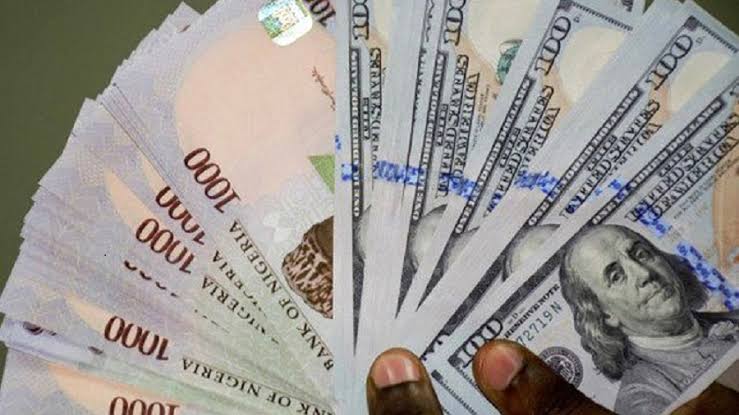

United States President Donald Trump has imposed a 15% import tariff on exports from Nigeria and several other countries in Africa, under a new executive order revealed by the White House on Thursday.
According to findings, the move is part of Trump’s updated “reciprocal tariff” policy, which adjusts U.S. import duties to match what American goods face abroad.
In April, Nigeria had already been hit with a 14% levy, but the policy was put on hold for 90 days to allow room for bilateral trade negotiations. That deadline expired on August 1.
Despite the grace period, most talks between U.S. and affected countries reportedly collapsed, leading to the enforcement of increased tariffs under Trump’s revised global trade agenda.
Efforts to mitigate the impact of the tariffs were further complicated in June when the U.S. placed travel restrictions on multiple African countries, including Nigeria, worsening already tense diplomatic and economic ties.
The U.S. was unable to finalize a single trade agreement with any African nation during the negotiation window, despite what insiders described as “intense efforts” from officials on both sides.
A copy of the reviewed reciprocal tariff order obtained by our correspondent lists the affected countries. In addition to Nigeria, the 15% tariff now applies to.
Afghanistan, Angola, Bolivia, Botswana, Cameroon, Chad, Costa Rica, Côte d’Ivoire, Democratic Republic of the Congo, Ecuador, Equatorial Guinea, Fiji, Ghana, Guyana, Iceland, Israel, Japan, Jordan, Lesotho, Liechtenstein, Madagascar, Malawi, Mauritius, Mozambique, Namibia, Nauru, New Zealand, North Macedonia, Norway, Papua New Guinea, South Korea, Trinidad and Tobago, Turkey, Uganda, Vanuatu, Venezuela, Zambia, and Zimbabwe.
Some other nations, not listed here, were subject to even steeper tariff hikes as part of the broader trade policy overhaul.
Punch
Advertisement