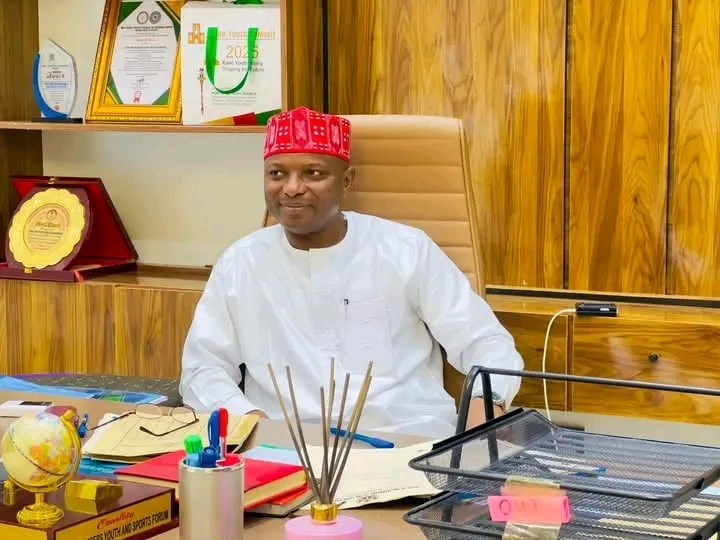
Former Kaduna Central lawmaker, Senator Shehu Sani, has weighed in on the growing debate over social media regulation in Nigeria, stressing the need for caution as the country grapples with issues of free speech, accountability, and security.
Sani, in a statement posted via his verified handle on X (formerly Twitter) on Sunday, described social media regulation as a “double-edged sword” that requires a careful balance to prevent abuse by both the state and individuals.
His intervention comes amid fresh controversy surrounding activist and Sahara Reporters publisher, Omoyele Sowore, whose recent post on X has drawn the attention of the Department of State Services (DSS).
According to reports, Sowore in August uploaded a video of President Bola Ahmed Tinubu during his visit to Brazil and described him as a “criminal,” citing allegations of corruption. The post sparked widespread reactions online.
In response, the DSS on Saturday reportedly wrote to X, demanding the removal of Sowore’s tweet and other related posts considered offensive and defamatory to the presidency. The agency argued that such content could undermine national security and stability.
Reacting to the development, Sani warned that while social media has undeniably become a platform for harassment, incitement, and cultural corrosion, excessive government control could easily stifle dissent and democratic accountability.
“If you regulate social media, you trample on freedom of speech and shield governments, states, and institutions from being held accountable. If you don’t regulate social media, it becomes a tool for hate, harassment, defamation, corrupting culture, and incitement to violence.”
The former senator likened social media to a weapon, capable of being used for both good and harm, noting that “the social media is like a gun, it can be used to prevent murder and also to commit murder.”
Sani emphasized that the dilemma is not peculiar to Nigeria, pointing out that even established democracies in the West continue to struggle with how to effectively regulate social media without undermining fundamental freedoms.
He urged Nigerian authorities to resist the temptation of using regulation as a political weapon against critics, adding that the right approach should be one that safeguards free expression while curbing online abuses.
“Democratic states must find and uphold that delicate balance between rights and decency,” he stressed.
The issue of social media regulation has remained contentious in Nigeria for years. Past attempts by the government to push legislation perceived as restrictive, such as the Social Media Bill and the Hate Speech Bill, were met with widespread public backlash and protests from civil society groups who feared a clampdown on free speech.
Observers note that the latest DSS action against Sowore’s tweet could once again reignite debates over whether the government is seeking to protect public interest or simply suppress dissenting voices online.
Advertisement