Private hospitals across Lagos are sounding the alarm over crippling energy expenses, warning that rising costs of electricity and fuel now account for nearly 40% of their operational budgets.
With no meaningful government support, stakeholders say the sustainability of Nigeria’s private healthcare sector responsible for treating the majority of Lagos residents is under serious threat.
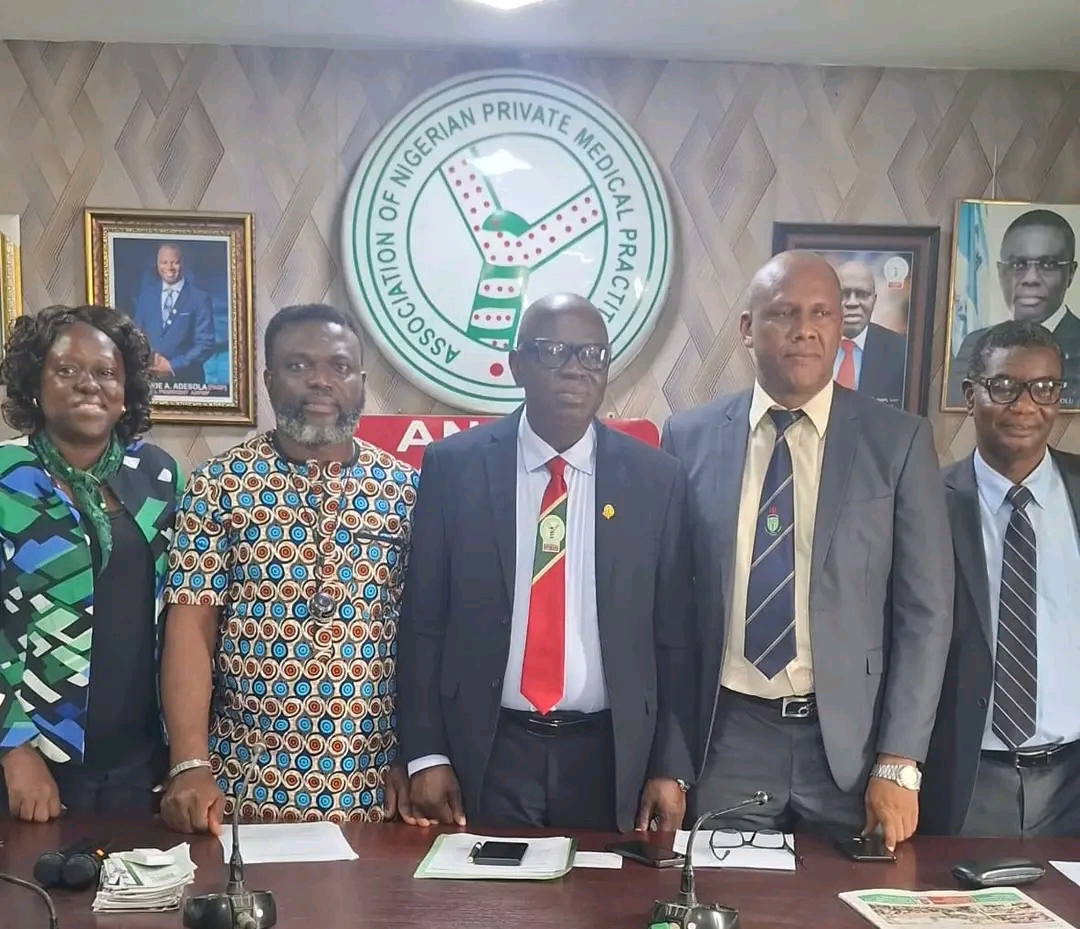
Dr. Jonathan Esegine, Chairman of the Lagos State Chapter of the Association of General and Private Medical Practitioners of Nigeria (AGPMPN), described the situation as dire.
He noted that private hospitals are often forced to run on generators all night to save lives, spending heavily on diesel while receiving little or no compensation for emergency care.
“Our energy costs alone make up about 40% of our health expenditures this excludes salaries and taxes,” Esegine said. “Just recently, I had to run my generator all night to save a pregnant woman suffering from placenta complications. By morning, I’d spent heavily on diesel at ₦1,200 per litre and she couldn’t even afford to pay.”
He emphasized that private hospitals continue to operate even during industrial actions, unlike public hospitals which may shut down. Often, they treat patients who arrive in emergencies with no money, he said, yet still face excessive regulation and taxation from the government.
He urged authorities to provide electricity subsidies and improve security for health workers, warning that the entire private healthcare system could collapse without intervention.
“There can be no economic growth without a healthy population,” Esegine said. “Private practitioners have held the fort for over a century. It’s time the government acknowledged and supported our efforts.”
Dr. Tunji Akintade, Chairman of the Local Organising Committee for the upcoming AGPMPN conference, added that the rising cost of electricity is one of the most significant constraints facing private healthcare facilities.
He warned that if Lagos fails to address these challenges, the ripple effects could jeopardize the country’s entire healthcare system.
According to Akintade, investment in new private hospitals has slowed considerably, with most recent projects backed by political figures rather than genuine healthcare entrepreneurs.
He called for government-backed digital infrastructure to support innovations like telemedicine, citing how state-supported efforts transformed the telecoms sector.
Akintade also criticized the current health insurance model, which he said unfairly burdens private providers. In his view, the government should not act as both regulator and fund administrator, and the low capitation rates make it impossible for private hospitals to provide consistent care.
“You can’t give a capitation of ₦500 and expect a patient to visit a hospital three times a month,” he said. “The private sector is subsidizing healthcare, not the government.”
Dr. Emma Onyenuche, First Vice Chairman of AGPMPN, added that while political elites continue to travel abroad for healthcare, local hospitals are starved of basic supplies such as insecticide-treated nets and HIV test kits.
He lamented that private practitioners are often sidelined in policymaking, with invitations to meetings that have no real influence on decisions.
The AGPMPN Lagos Annual General and Scientific Conference will take place from September 10 to 11 at the Welcome Event Centre in Lagos.
The event, themed “Building Resilient Private Health Systems in Lagos State: A Driver of Public-Private Collaboration, Economic Stability, and Good Governance,” will address critical issues such as brain drain, health insurance reform, and how private hospitals can survive amid Nigeria’s economic challenges. Attendees will also benefit from free glaucoma screening as part of the initiative.
Advertisement