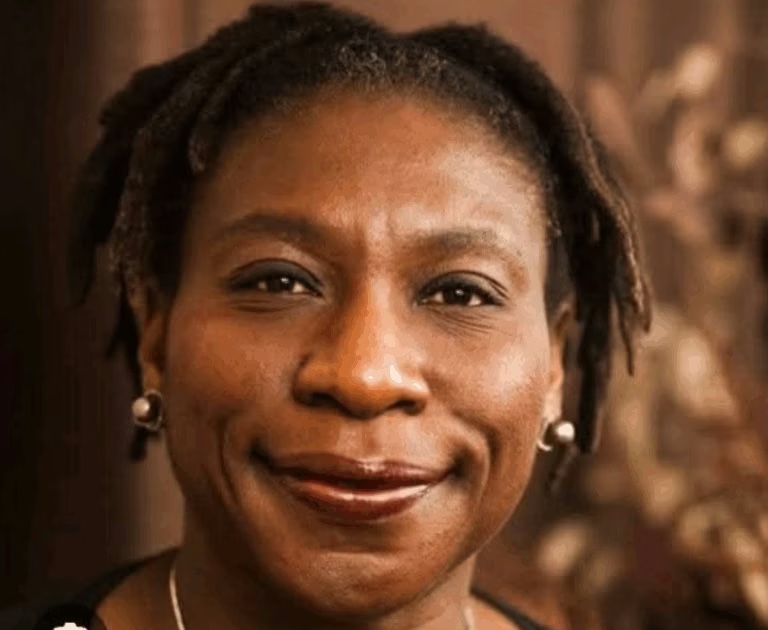

Temi Otedola, actress and daughter of billionaire businessman Femi Otedola, has reignited a cultural and feminist firestorm after officially changing her surname to “Ajibade” on Instagram, following her high-profile marriage to Nigerian singer Mr Eazi (Oluwatosin Ajibade).
Their globe-trotting wedding celebrations spanning Monaco, Dubai, and Iceland blended Nigerian tradition with international opulence, culminating in Temi’s public decision to adopt her husband’s name.
While many viewed the change as a personal or romantic gesture, it has triggered widespread conversation across social media platforms about identity, patriarchy, and cultural expectations placed on married women.
In August, before the name change, feminist voices had already stirred the pot. One viral post insisted women can and should keep their surnames after marriage, citing personal experiences of marriage without a name change.
This view was met with fierce opposition and questions rooted in status and tradition such as whether a woman marrying into a powerful family like Otedola or Dangote would still feel compelled to retain her maiden name.
Temi’s move brought that debate back into sharp focus. Her father’s wedding speech, which urged her to “succumb” to her husband because “he’s your boss,” added emotional and cultural weight to the discussion, dividing opinions between those who saw it as affectionate fatherly advice and others who perceived it as a reinforcement of patriarchal norms.
Online, reactions were polarized. Some praised the decision as a beautiful act of love and respect, a gesture of commitment that signals unity in marriage.
Others criticised the societal pressure behind such decisions, calling it a byproduct of colonial influence and questioning why a woman must change her identity to reflect marital status.
Class and privilege added further layers to the discourse. Critics mocked poor women for clinging to their father’s names while others pointed out that the truly wealthy, like Temi, rarely struggle with such decisions they make them freely, unburdened by societal pressures or the need to assert independence through a name.
In the midst of the storm, voices of moderation called for understanding and respect for individual choice.
Whether viewed as an act of submission, unity, love, or personal identity, Temi’s decision touched a nerve across gender, class, and cultural lines prompting Nigerians to reexamine what a surname really means in the context of modern marriage.
Ultimately, her choice reflects a broader question that many Nigerian women continue to wrestle with: Should a name define a woman’s identity after marriage, or should the freedom to choose, without judgment, be the standard?
Advertisement