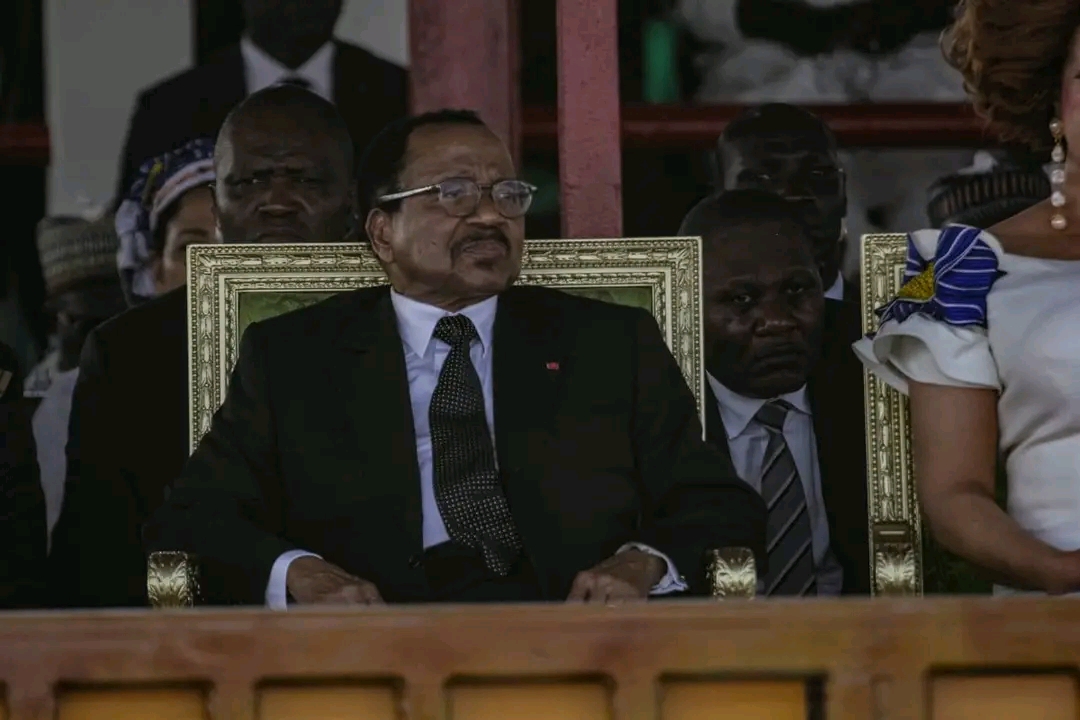
At 92, President Paul Biya appears poised to secure an eighth term in Cameroon’s upcoming presidential election on October 12, maintaining his status as the world’s oldest head of state.
Despite rising public frustration, questions about his health, and criticism from rights groups over electoral fairness, Biya remains the clear front-runner against a divided field of 11 opposition candidates.
The opposition’s strongest challenger, Maurice Kamto, was disqualified by the courts, dampening hopes for significant political change.
While some Cameroonians, especially the youth, express deep cynicism about the system, others still place their faith in Biya’s experience.
His first public appearance in months, during a rare campaign stop in Maroua, drew sparse attendance despite official expectations of a large turnout.
Biya has ruled since 1982, using a mix of repression, political alliances, and strategic concessions to retain power. His past victories have come with landslide margins, even as international observers question the integrity of the process.
Economic hardship, poor infrastructure, and ongoing conflict in anglophone regions continue to weigh heavily on voters, yet visible street protests remain absent.
Civil society groups are preparing to monitor the vote independently, while the government warns against what it calls attempts to sway public opinion.
For many in Cameroon, Sunday’s election feels less like a choice and more like a confirmation of the status quo.
Advertisement