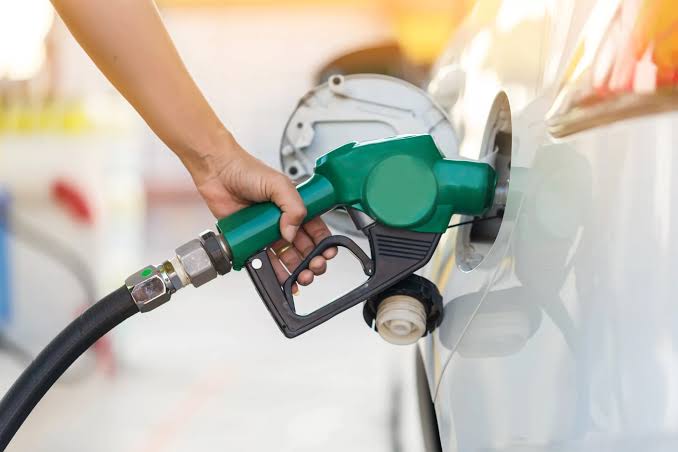
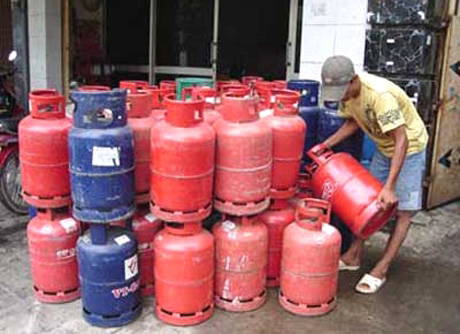
The Liquefied Petroleum Gas Retailers Association of Nigeria (LPGAR) has defended its members against claims that they are responsible for the ongoing cooking gas scarcity and price hike, citing supply chain disruptions as the real cause.
In a statement issued on Saturday in Lagos, Mr. Ayobami Olarinoye, Chairman of LPGAR (under the Nigeria Union of Petroleum and Natural Gas Workers), refuted accusations made by the President of the Nigerian Association of Liquefied Petroleum Gas Marketers, who reportedly blamed retailers for inflating prices.
“Retailers should not be scapegoated,” Olarinoye stated. “We do not import gas or control depot prices. We purchase from plant owners and sell to end users.”
He emphasized that many retailers have had to source gas from neighboring states at high prices due to widespread shortages, which has directly influenced retail pricing.
Olarinoye explained that while Dangote Refinery has not raised its gas prices, inconsistent supply and distribution bottlenecks have led to market imbalances and escalating prices.
“Some retailers have had to shut down for days or weeks because they couldn’t access supply,” he said. “This is not about greed; it’s about survival.”
He also noted that Dangote currently lacks the capacity to meet the nation’s annual LPG demand of over 2.3 million metric tonnes—up from less than one million tonnes in previous years.
Off-takers, who are supposed to bridge the gap by importing or sourcing from Nigeria Liquefied Natural Gas (NLNG), have reportedly slowed operations due to unfavorable pricing margins.
“Dangote sells a 20MT truckload of LPG for about ₦15.8–₦16 million, while off-takers sell the same quantity at ₦18.5–₦18.6 million. Naturally, buyers prefer the cheaper option, which reduces importation and worsens scarcity,” Olarinoye explained.
The recent PENGASSAN strike further disrupted an already fragile supply chain, he said. Even though the strike has ended, supply has not fully stabilized, with some plant owners still waiting to load despite having paid in advance.
Olarinoye urged the government to address the pricing disparity between Dangote and off-takers and to implement measures that would encourage competitive pricing and increase domestic LPG supply.
“The crisis is systemic. Blaming retailers won’t fix it,” he said. “We need cooperation between stakeholders to ensure stable supply and pricing.”
He assured the public that LPGAR is committed to working toward solutions and normalizing the market, even as supply and demand dynamics continue to dictate prices.
Cooking gas prices across Nigeria have surged, with a kilogram now selling for between ₦1,800 and ₦2,000 in many areas—up from ₦1,200 earlier this year. The price spike has hit households hard, forcing some Nigerians to revert to using charcoal or firewood for cooking.
Industry stakeholders confirm that the scarcity and rising costs stem from logistics challenges, not deliberate price manipulation by retailers.
NAN
Advertisement