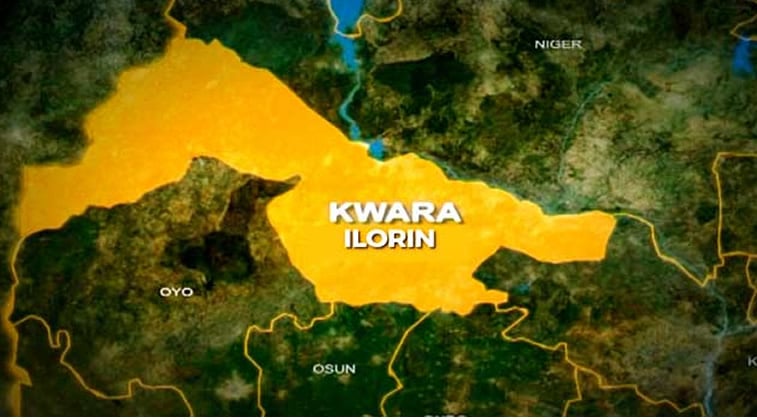
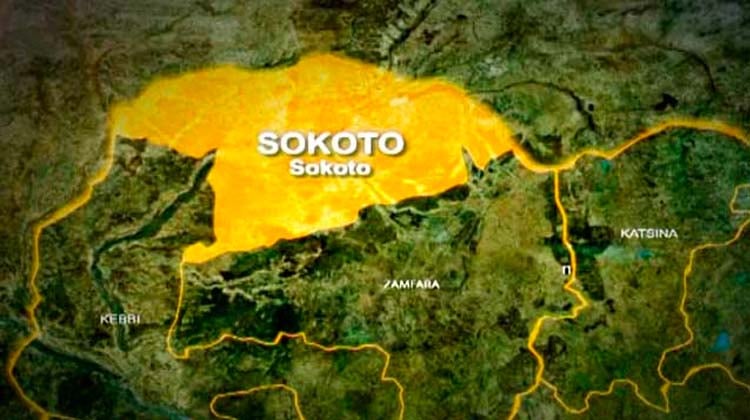
The Federal Ministry of Health and Social Welfare has listed Sokoto, Jigawa, Zamfara, Taraba, Delta, Plateau, and the Federal Capital Territory as the leading states in carrying out the major resolutions adopted at the 2024 National Council on Health (NCH).
This update was provided by the Director of Health Planning, Research, and Statistics, Kamil Shoretire, while presenting the implementation report at the 66th NCH meeting held in Calabar on Wednesday.
The meeting, themed “My Health, My Right: Accelerating Universal Health Coverage Through Equity, Resilience, and Innovation,” serves as a platform for national and subnational health stakeholders to review progress and chart new strategies.
Shoretire explained that the latest assessment shows varying levels of compliance, noting that Abia, Kogi, Bauchi, Enugu, and Osun States are lagging behind in executing their commitments from the last Council meeting.
He said, “Topping the response and the resolution implementation is Sokoto state, followed by Jigawa state, Zamfara State, Taraba state, Delta state, FCT, and Plateau. Also, Kebbi is coming from behind, followed by Abia, Kogi, Bauchi, Enugu, and Osun.”
The 65th NCH, which convened in Maiduguri in 2024, approved 58 policy memos aimed at strengthening human resources for health, improving nutrition, upgrading primary healthcare, and enhancing maternal and child health outcomes.
Despite these resolutions, Shoretire said many states continue to struggle with implementation, largely due to weak technical capacity and inadequate follow-through after policy adoption.
He encouraged states to collaborate with academic institutions, researchers, and technical experts to convert Council decisions into realistic programmes.
Shoretire further urged health commissioners and other leaders to prioritise advocacy and ensure resolutions receive proper attention, understanding, and funding at state level.
He reported that national implementation of the 2024 resolutions stands at about one-third, noting, “On average, about one-third of the resolutions from the Council have been implemented nationwide. The national implementation rate is around 31 per cent… the resolutions were not intended to be completed within a one-year cycle.”
According to him, improved funding, firmer political support from governors, and deeper stakeholder engagement would accelerate execution and raise the national compliance rate.
Responding to questions on slow progress, Shoretire identified lack of funds, late budget cycles, poor dissemination, and weak advocacy as the major obstacles. He added that limited resources also impeded states’ readiness to implement new resolutions.
“Collectively, these factors affected the pace of implementation across the states. However, with ongoing coordination, advocacy, and adequate resources, states will accelerate their efforts and achieve better results in implementing health-related solutions,” he said.
Advertisement