Some Tanzanians cautiously returned to the streets on Tuesday as authorities partially lifted restrictions, including a nationwide curfew and an internet blackout, imposed after violent unrest followed the country’s presidential election.
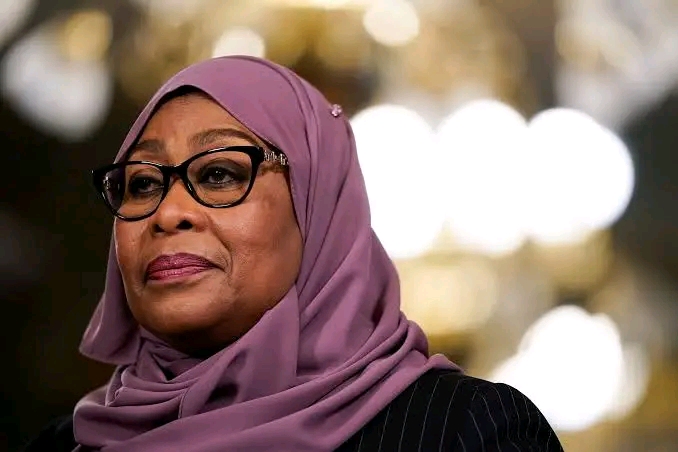
The electoral commission announced that President Samia Suluhu Hassan secured 98 percent of the vote in the October 29 election. The opposition, however, has denounced the results as a “sham.”
Internet access, which had been completely shut down since election day, has been partially restored, though information from across the country remains difficult to verify.
An AFP correspondent in Dar es Salaam reported a gradual return to normalcy in the commercial capital, even as residents remained anxious.
“I hope violence will not come again,” said 32-year-old food vendor Rehema Shehoza. “Some of us would die from hunger if we can’t go out to work.”
Police announced on Monday that the curfew imposed on election day had been lifted. Limited public transport resumed, and long queues formed at gas stations as prices soared. With public buses scarce, private tuk-tuks and motorcycles filled the transport gap.
While security forces remained deployed across the city, their presence was notably lighter than in recent days.
Internet connectivity has been intermittent, allowing the circulation of graphic images reportedly showing scenes from the protests—though AFP said these images could not be independently verified. Police, in a text message circulated Monday, warned citizens against sharing footage that could “create panic or humiliate others online.”
A diplomatic source told AFP there were credible reports of hundreds possibly even thousands of deaths recorded in hospitals and clinics nationwide. Opposition party Chadema claimed to have counted “no less than 800 deaths” by Saturday, though none of the figures could be independently confirmed.
In her acceptance speech, President Hassan expressed sorrow over “incidents of violence that have led to loss of lives,” promising that the security and defense forces would investigate.
The same diplomatic source said there were “concerning reports” that the blackout period had allowed security agencies time to track down opposition members and protesters who may have recorded evidence of last week’s violence.
One Dar es Salaam resident told Human Rights Watch that her neighbor who was not involved in the protests was shot dead by a man in civilian clothing outside his home on October 30.
AFP
Advertisement