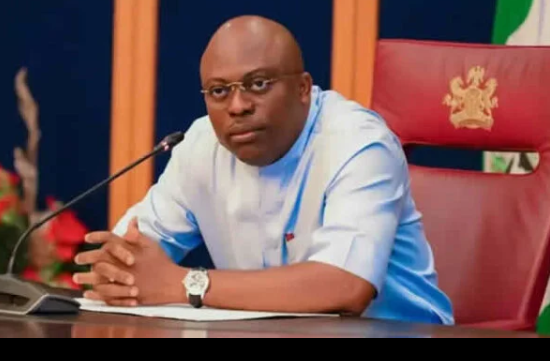
Rivers State Governor, Siminalayi Fubara, has disclosed that the state’s financial position improved significantly during the period of emergency rule, rising from over ₦300 billion to more than ₦600 billion by the time he returned to office.
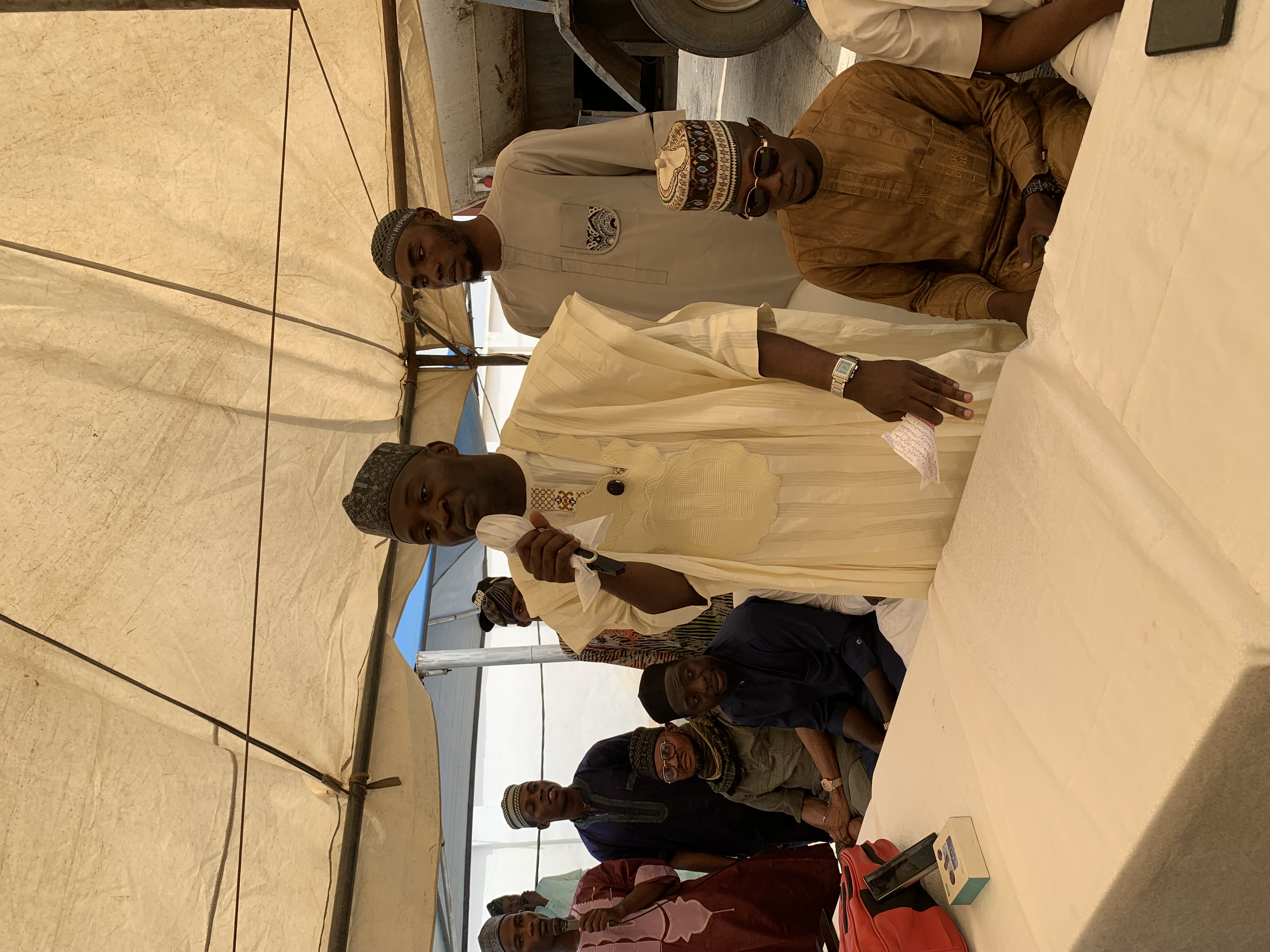
The governor made this known on Wednesday while inaugurating the 14.2-kilometre Obodhi–Ozochi Road, which connects Ahoada East and Ahoada West Local Government Areas.
Fubara said the figures confirm his administration’s commitment to financial prudence and transparency, stressing that proper management of public funds remains a core principle of his leadership.
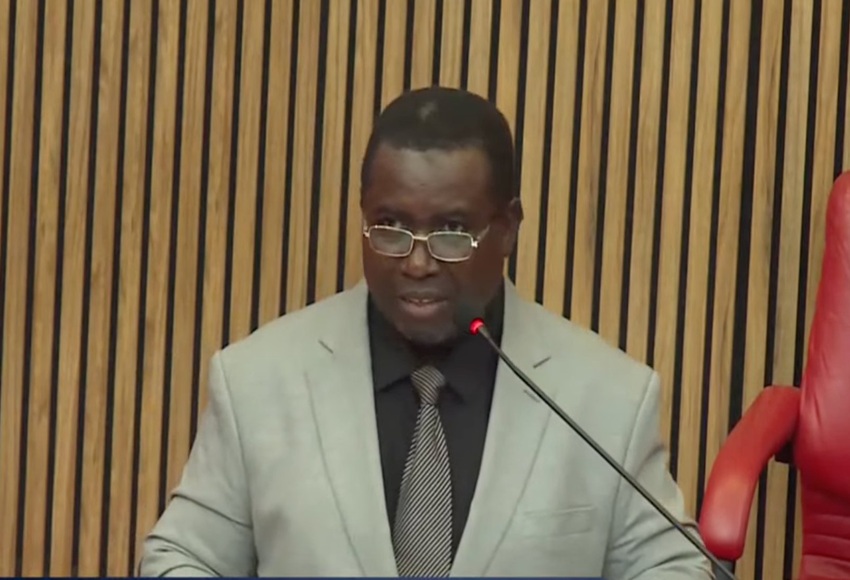
His comments followed recent remarks by the Speaker of the Rivers State House of Assembly, Martin Amaewhule, who revealed during plenary that the immediate past Sole Administrator of the state, Rear Admiral Ibok-Ete Ibas (retd.), left behind over ₦600 billion after the emergency rule was lifted.
Amaewhule had also criticised the state government over the condition of public schools, citing Township State School 1 along Moscow Road in Port Harcourt, which he said lacked basic facilities such as toilets despite being close to Government House. He raised the concern while responding to a report presented by the Chairman of the House Committee on Education, Aforji Igwe, after an oversight visit to the school.
The Speaker questioned how funds left by the former administrator were being spent, a statement that further strained relations between the executive and legislative arms of government.
In what appeared to be a response to the criticism, Fubara insisted that all state funds were being judiciously deployed for development and that expenditure records were open to public scrutiny.
“Let me say this clearly to the whole world: when we left office during the emergency rule, our records showed that over ₦300 billion was in the coffers. When we returned, we met about ₦600 billion and something,” the governor said.
He added, “If there is one thing I am proud of, it is that nobody can associate me with anything questionable. Your money and the records of how it is spent are intact. We have strong and impactful projects ongoing across the state.”
The governor further pledged that within six months, his administration would present clear and verifiable details on how public funds are being utilised.
“There is no issue whatsoever about what we are doing with our money or with the funds we inherited,” he assured.
Fubara explained that some criticisms may stem from his administration’s preference for completing projects quietly rather than organising elaborate flag-off ceremonies.
“Maybe people feel things are happening without their knowledge because we don’t believe in flamboyant project flag-offs. We believe in inaugurating completed projects,” he said.
He noted that beyond the projects currently being commissioned, many others with far-reaching impact were ongoing across the state, adding that his administration’s record on accountability and transparency remained solid.
Speaking on the Obodhi–Ozochi Road project, Fubara revealed that it was initiated by his predecessor, former Governor Nyesom Wike, as part of political mobilisation efforts ahead of the 2023 general elections, through a former lawmaker and his then Chief of Staff, Edison Ehie.
According to him, Ehie delivered effectively on the assignment, prompting the government to complete the project and expand its scope beyond the original design.
The governor also approved requests by the host communities for the construction of additional internal roads and urged Ehie to convert the large turnout at the commissioning ceremony into sustained political support for President Bola Tinubu ahead of the 2027 elections.
“I have just one request. On my way here, I couldn’t even get to my seat because of the massive crowd. I am asking Edison Ehie and your group to translate this crowd into the support we will give to Mr President in 2027,” Fubara said.
Highlights of the event included the presentation of 14 cows to the governor representing each kilometre of the 14.2-kilometre road as well as 500 plots of land donated by the host communities.
Advertisement