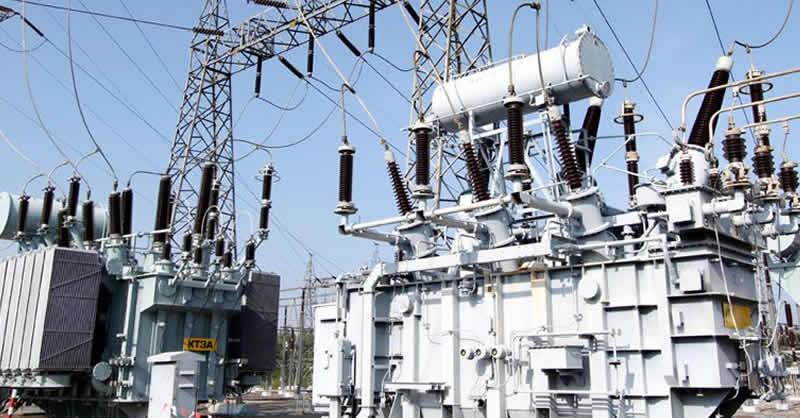
Concerns are mounting over a possible resurgence of grid instability in Nigeria’s power sector following three grid disturbances recorded in less than one month.
Electricity distribution companies (DisCos) have blamed the latest disruptions on low power generation but dismissed claims that the sector is slipping back into an era of incessant grid failures.
The national power grid suffered another collapse on Tuesday, the second incident in four days. This was the second grid failure in January 2026 and the third since December 29, 2025. The grid had earlier collapsed on December 29, 2025, and again on Friday, January 23, 2026.
Although grid collapses occurred almost monthly in 2024, the situation improved in 2025 with only two major incidents recorded. However, the recurrence of two collapses within four days and three within a month has raised fresh concerns among stakeholders in the Nigerian Electricity Supply Industry.
Data monitored by *The PUNCH* showed that power generation plunged from 3,825 megawatts at 10am on Tuesday to just 39MW by 11am. Generation had peaked at 4,762MW earlier in the day at about 6am. At the height of the collapse, load allocation to all DisCos dropped to 0.00MW, meaning no electricity was being supplied nationwide.
In a notice to customers, the Abuja Electricity Distribution Company said it experienced a total loss of supply across its franchise areas and had no immediate timeline for restoration, adding that technical teams were working with relevant stakeholders to restore power.
Similarly, the Port Harcourt Electricity Distribution Company informed customers that the outage across its network was due to a grid collapse and appealed for patience while efforts were made to restore supply.
Speaking on the situation, the spokesperson for the DisCos, Sunday Oduntan, acknowledged growing concerns over grid instability in 2026 but maintained that the sector was not returning to the days of frequent collapses. He said the Nigerian Independent System Operator (NISO) and other stakeholders were intensifying efforts to stabilise the grid.
Oduntan, however, identified inadequate power generation as the sector’s major challenge. According to him, the speed with which recent incidents were resolved compared to 2024 showed improvements in system management, particularly under NISO.
“We are not going back to the era of incessant grid collapses. The response time has improved significantly, which shows that lessons have been learnt,” he said. “That said, what we generate is still not enough. Low generation remains the major issue, and it must be addressed urgently.”
Meanwhile, NISO explained that Tuesday’s incident was caused by a voltage disturbance that originated from the Gombe Transmission Substation. The disturbance, which occurred at about 10:48am, spread across the network, affecting the Jebba, Kainji and Ayede transmission substations.
In a statement titled ‘Update on Partial System Disturbance on the National Grid’, NISO said the disturbance led to the tripping of some transmission lines and generating units, resulting in a partial system collapse rather than a total grid failure.
The operator added that corrective actions were immediately taken, with restoration beginning around 11:11am and power supply fully restored shortly after.
NISO confirmed that electricity supply has since returned to normal across affected areas, noting that the incident has renewed discussions on grid stability, investment in transmission infrastructure and the need for faster response mechanisms in a country heavily dependent on stable electricity supply.
Advertisement