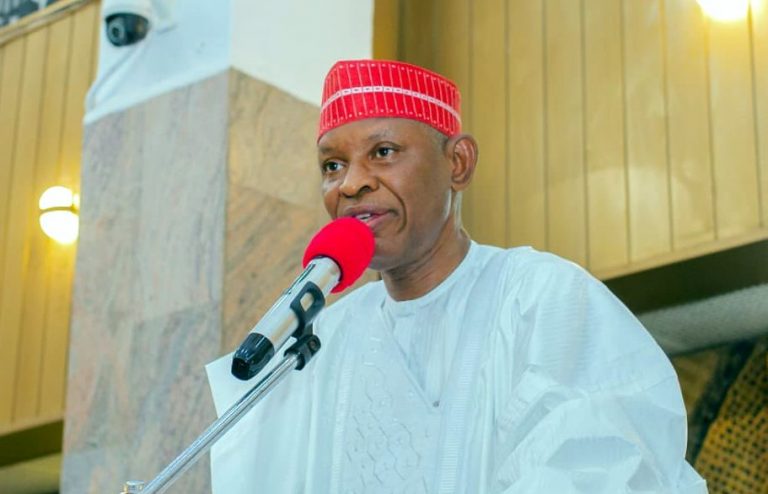
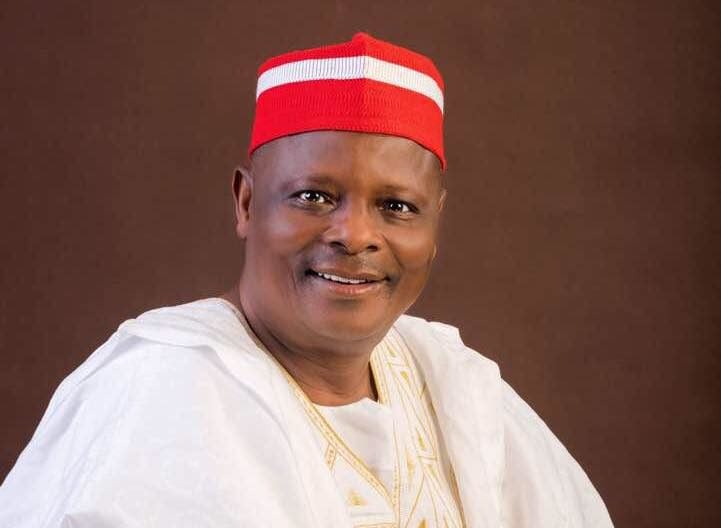
The Kwankwasiyya Movement has expressed strong concern over reports that a bill before the United States Congress — the Nigeria Religious Freedom and Accountability Act 2026 (HR 7457) — allegedly mentions its leader, Senator Rabiu Musa Kwankwaso, in relation to claims of “severe religious freedom violations.”
In a statement issued Wednesday night by its spokesperson, Habibu Sale Mohammed, the group described the allegations as baseless and inconsistent with Kwankwaso’s public record.
According to the statement, Kwankwaso, who has spent over three decades in public service as Deputy Speaker of the House of Representatives, two-term Governor of Kano State, Minister of Defence, Senator, and presidential candidate, has never been indicted or credibly accused of religious persecution, extremism, or human rights abuses.
The movement noted that the adoption of Sharia-based legal systems in some northern states was carried out within the framework of Nigeria’s Constitution and was not exclusive to Kano State or driven by any single individual. It added that such legal structures operate under constitutional oversight and judicial review.
“Singling out Senator Kwankwaso while similar constitutional arrangements exist in several states raises concerns about the basis and consistency of the recommendation,” the statement said.
The group further argued that international relations should be guided by respect for constitutional sovereignty, pointing out that the United States maintains ties with countries whose legal systems incorporate Islamic jurisprudence.
It maintained that Kwankwaso’s record reflects opposition to violence and extremism, citing measures taken during his tenure as Kano governor to combat security threats and promote peaceful coexistence. The statement also referenced his 2023 presidential ticket with Bishop Isaac Idahosa as evidence of his commitment to religious inclusion.
Describing the development as troubling, the movement called on the US Congress to reject the recommendation and remove Kwankwaso’s name from the proposed legislation. It alleged that the inclusion may have been influenced by political opponents or individuals pursuing personal grievances.
“Allegations of this magnitude must be based on verifiable facts, not assumptions,” the statement added, expressing confidence that fairness and due process would prevail.
Earlier, the New Nigeria Peoples Party had also reacted to the proposed bill, expressing shock that its national leader was listed among individuals recommended for targeted sanctions over alleged religious freedom violations in Nigeria.
Advertisement