Nigerian households and businesses are bracing for more hardship following fresh increases in the prices of Liquefied Petroleum Gas (LPG), diesel and petrol, triggered by the escalating crisis in the Middle East.
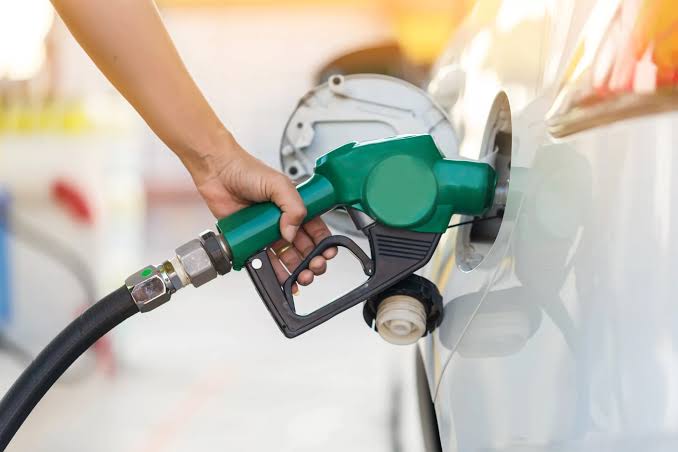
Cooking gas now sells for about N1,200 per kilogram, up from N1,000, while diesel has risen to N1,300 per litre from N1,200. Petrol (Premium Motor Spirit) also jumped to N939 per litre from N837, with fears it could exceed N1,000 per litre if tensions persist.
The surge follows a spike in global crude oil prices, which climbed to $84 per barrel from $75 last week after Iran’s Revolutionary Guard threatened to block the Strait of Hormuz amid ongoing attacks by Israel and the United States.
Israel and the US launched strikes on Iran over the weekend despite continuing diplomatic talks. Iran has since retaliated with attacks on US military bases and other targets in the Gulf region, escalating fears of prolonged hostilities.
A Vanguard market survey in Abuja, Lagos and other cities showed filling stations raising pump prices from N875 per litre on Monday to as high as N975 yesterday. Cooking gas retailers also adjusted prices upward.
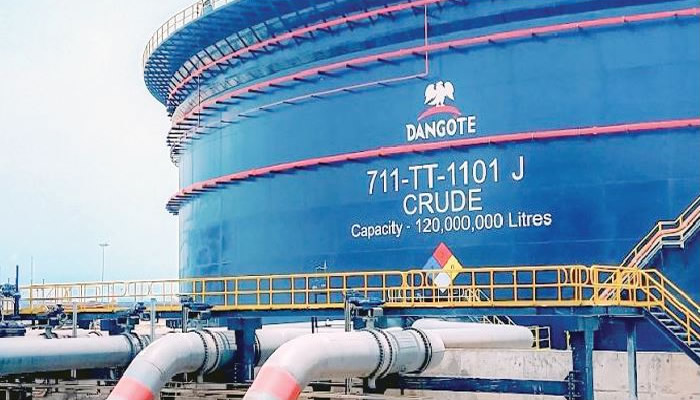
The price adjustments began after the 650,000 barrels-per-day Dangote Petroleum Refinery reviewed its depot prices for petrol, diesel and cooking gas in response to rising global crude costs. Depot owners and oil marketers nationwide followed suit, increasing prices by about N100 per litre or kilogram.
Nigeria’s Bonny Light crude reached $84 per barrel — its highest since July 2025 — amid disruptions to Middle East oil shipments. Brent crude rose to $84.53 per barrel, Murban to $83.72, while West Texas Intermediate climbed to $77.16.
Oil prices initially surged by about 10 per cent before extending gains after US President Donald Trump indicated the conflict could last longer than expected. Iran’s subsequent announcement of a possible closure of the Strait of Hormuz — a route handling roughly one-fifth of global oil and gas trade — further rattled markets.
The sharp increase in fuel prices is already straining low-income households and small businesses that were unprepared for the sudden development. Disruptions to shipping routes and tanker shortages have also pressured export terminals, leading to production adjustments.
Dr. Muda Yusuf, Chief Executive Officer of the Centre for the Promotion of Private Enterprise (CPPE), described the situation as a double-edged sword for Nigeria. According to him, while higher crude prices could boost export earnings, foreign exchange inflows and government revenue, Nigeria may not fully benefit due to production challenges, including oil theft and pipeline vandalism.
He warned that if the conflict drags on and slows global growth, oil demand could weaken, reversing gains and making any fiscal advantage short-lived.
National President of the Oil and Gas Services Providers Association of Nigeria (OGSPAN), Mazi Colman Obasi, called on the Federal Government to introduce measures to ease the burden on citizens, noting that the government stands to earn more foreign exchange from higher oil prices.
Partner at Kreston Pedabo, Olufemi Idowu, said the development presents both opportunities and risks. While government revenue may improve, consumers will bear the brunt in a deregulated market where pump prices reflect global trends.
He cautioned that higher fuel prices would drive up transportation, construction and production costs, ultimately worsening inflation and eroding purchasing power.
Chief Chinedu Ukadike, Public Relations Officer of the Independent Marketers Association of Nigeria (IPMAN), said marketers had little choice but to adjust prices due to higher depot costs and operational expenses.
Managing Director of Coleman Wires and Cables, George Onafowokan, urged more industries to transition to gas, noting that companies with long-term gas supply agreements would face minimal impact compared to those reliant on petrol and diesel.
He added that Nigeria’s domestic refining capacity, particularly from the Dangote Petroleum Refinery, has helped cushion what could have been a more severe situation.
As tensions in the Middle East continue, stakeholders warn that unless global oil markets stabilise, Nigerians should prepare for further price adjustments and tougher economic conditions.
Advertisement