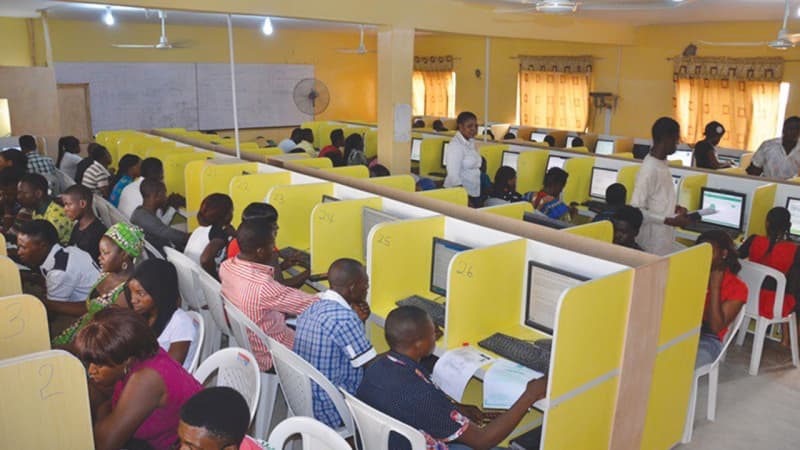
The Joint Admissions and Matriculation Board (JAMB) has responded to criticism from former Labour Party presidential candidate Peter Obi over the early reporting time required for candidates taking the Unified Tertiary Matriculation Examination (UTME).
Obi, in a post on X (formerly Twitter) on Sunday, raised concerns about candidates many of them teenagers being required to arrive at test centers as early as 6:30 a.m.
He described the practice as “reckless,” citing reports of accidents, missing students, and emotional stress caused by the early travel.
He argued that such policies reflect broader shortcomings in Nigeria’s education system, including poor infrastructure and underinvestment.
“Who takes responsibility when a 15- or 16-year-old child disappears or is harmed while trying to access their right to education?” he asked.
Obi urged for expanded educational infrastructure and better planning, suggesting that Nigeria look to countries like Indonesia as examples of how to improve access to education.
In its response, JAMB clarified that although candidates are advised to arrive by 6:30 a.m. for verification and preparation, the actual exam begins at 8:00 a.m. The board defended the early arrival policy as necessary for smooth coordination and to avoid delays, noting that without buffer time, many might arrive late.
Addressing Obi directly in a statement posted on its official X account, JAMB stated: “Your Excellency, our examination is scheduled for 8:00 a.m., not 6:00 a.m. Early arrival is essential for proper verification and preparation.”
The board further explained that early check-in helps ensure the exams start promptly and securely, especially given widespread issues with late arrivals when only the start time is announced.
Reports from The PUNCH have also highlighted concerns from parents about the risks of long-distance travel to early-morning exam sessions.
Obi concluded his remarks by reiterating the need for greater investment in education to improve safety, accessibility, and Nigeria’s overall Gross Enrollment Ratio.