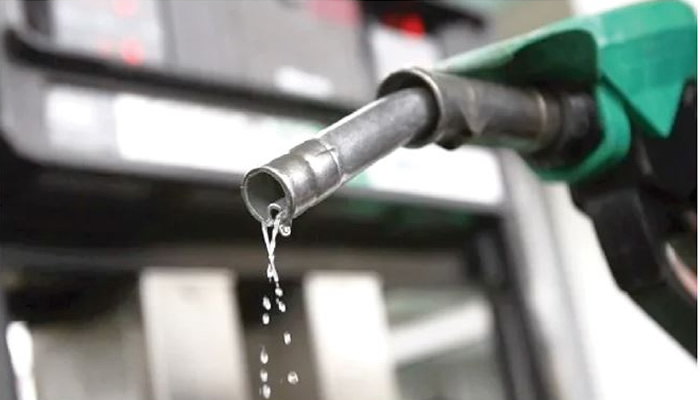
Amid rising concerns over fuel pricing and supply in Nigeria’s deregulated downstream sector, the Federal Government has scheduled a national stakeholders’ summit for July 23–24, 2025.
The summit, which will be hosted by the Nigerian Midstream and Downstream Petroleum Regulatory Authority (NMDPRA), is expected to chart a path toward price stability and supply sustainability.
The announcement was confirmed by Francis Ogaree, Executive Director of Hydrocarbon Processing Plants at the NMDPRA, during the recently concluded Nigeria Oil and Gas Energy Week in Abuja.
He described the summit as a critical platform for industry-wide dialogue on a resilient and transparent pricing framework in the post-subsidy era.
Ogaree acknowledged growing unease within the industry, especially from independent marketers, over volatile pump prices concerns heightened by sudden price changes from major suppliers like the Dangote Refinery.
The summit aims to bring together regulators, marketers, refiners, and other stakeholders to establish a more consistent and equitable pricing model.
Retailers have increasingly expressed frustration over unpredictable price swings. Billy Gillis-Harry, President of the Petroleum Products Retail Outlets Owners Association of Nigeria (PETROAN), said unexpected drops in refinery prices have led to financial losses for retailers who had stocked up at higher costs.
He stressed the need for greater transparency and safeguards against exploitative practices.
Trade unions have also joined the call for reform. The Petroleum and Natural Gas Senior Staff Association of Nigeria (PENGASSAN) has condemned the current pricing regime, accusing marketers of profiteering and arguing that petrol prices should realistically fall between ₦700 and ₦750 per litre.
In response to these concerns, Ogaree affirmed that the NMDPRA is working to develop a pricing structure that balances market realities with consumer protection.
He said the authority is focused on engaging stakeholders and encouraging investments in local refining to bolster supply.
Nigeria currently boasts 10 operational or near-operational refineries, including three NNPC-owned facilities, the 650,000 barrels-per-day Dangote Refinery, and six modular refineries.
These facilities collectively require over 1.1 million barrels of crude oil daily. Several new modular refineries with capacities ranging from 1,000 to 200,000 bpd are expected to come online by 2026.
Despite this progress, crude oil availability remains a significant hurdle. Ogaree cautioned that with 47 refining licenses already issued, the government must ensure adequate feedstock supply to support the country’s expanding refining capacity.
The upcoming summit is expected to serve as a turning point in shaping Nigeria’s downstream oil sector, providing a unified approach to pricing, investment, and long-term sustainability.
Advertisement