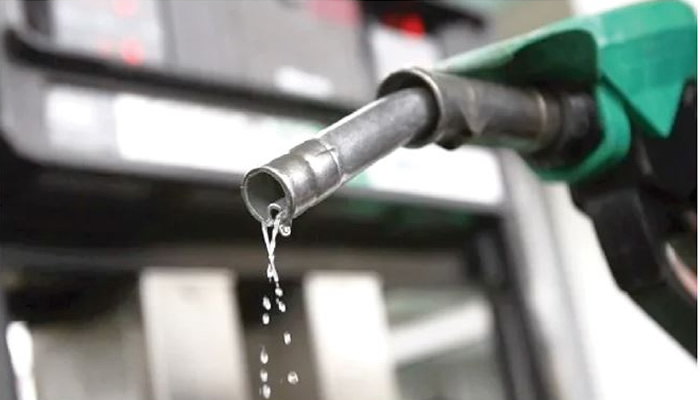
Petrol prices have dropped across parts of Nigeria after the Dangote Petroleum Refinery lowered its ex-depot rate, prompting the Nigerian National Petroleum Company Limited (NNPC) and independent marketers to follow suit.
The adjustments have brought pump prices down from previous highs of N950 per litre to as low as N865 in some areas.
In Lagos and Ogun, many filling stations have revised their prices below N900 to stay competitive, with NNPC outlets now selling at N865 and N870 respectively.
Dangote’s distribution partners, including MRS and Ardova, have aligned with the new pricing structure, offering rates between N865 and N875.
Despite this, prices in the North, South-East, and South-South regions remain elevated due to higher transportation costs.
This pricing shift comes after Dangote Refinery cut its ex-depot price from N850 to N820 per litre.
The company described the move as part of its broader goal to stabilize fuel supply and support national economic growth.
The refinery’s growing influence marks a departure from NNPC’s former dominance in pricing and supply, especially following the removal of fuel subsidies.
Earlier in the week, many stations had increased their prices to over N900 per litre, even though global crude prices had dipped slightly—from $69 to $66 per barrel. NNPC outlets were among those selling at ₦900 before the recent reduction.
The operational presence of the 650,000-barrel-per-day Dangote Refinery, now the only functioning petrol-producing facility in Nigeria, is reshaping the local fuel market.
Since the removal of subsidies last year, which pushed pump prices up to N1,200 per litre, the refinery has implemented several price cuts that have gradually eased the burden on consumers.
Still, while many welcome the relief, concerns persist. Marketers are wary of shrinking profit margins, and some citizens argue that prices remain out of reach.
One Lagos resident, Favour Samson, remarked that until petrol sells between N200 and N500, most Nigerians will continue to feel the pinch, noting that current prices are still driving inflation.