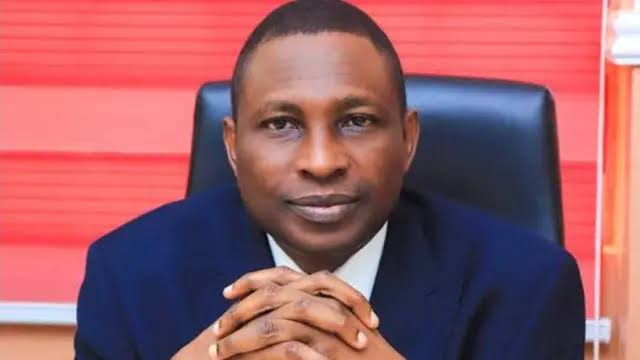
The Chairman of the Economic and Financial Crimes Commission (EFCC), Ola Olukayode, has said Nigeria can overcome corruption if citizens embrace transparency, accountability, and respect for due process.
Olukayode made the call in a keynote address delivered on his behalf by Mr. Williams Oseghale, Assistant Commander and Head of Public Affairs, Benin Zonal Directorate, at the 12th annual conference of the Association of Communication Scholars and Professionals of Nigeria (ACSPN) in Effurun, Delta State.
The conference, supported by Tantita Security Services Nigeria Limited (TSSNL), provided a platform to discuss corruption, good governance, and the role of the media.
Olukayode stressed that corruption is at the root of Nigeria’s socio-economic challenges, including unemployment, insecurity, poverty, hunger, low life expectancy, and poor infrastructure. He expressed concern that Nigeria is often perceived as a nation plagued by entrenched corruption and impunity.
“The responsibility lies with us as individuals to be accountable and transparent. Every challenge confronting our development today is linked to corruption and mismanagement of resources,” he said.
He urged media practitioners to strengthen the fight against corruption by exposing fraud, discouraging the glorification of corrupt practices, and promoting investigative journalism. According to him, journalists should follow the example of the pioneers of the profession, who fought social injustice with courage and integrity.
Reiterating EFCC’s commitment to tackling corruption, Olukayode praised ACSPN for raising critical issues of governance and accountability, describing the conference as timely and important for building a fairer society.
In his welcome address, ACSPN President Prof. Rotimi Olatunji described corruption in Nigeria as multi-dimensional, ranging from petty bribery to large-scale graft by politicians and business elites. He warned that corruption continues to weaken infrastructure, repel investors, worsen poverty, and threaten the achievement of the Sustainable Development Goals (SDGs).
Olatunji called on the media and communication researchers to strengthen their watchdog role by amplifying anti-corruption campaigns and demanding accountability from leaders.
Prof. Majority Oji, Dean of Communication and Media Studies, Delta State University (DELSU) and Chairman of the Local Organising Committee, also challenged participants to create new knowledge that would reshape the anti-corruption fight and inspire social change.
The conference was attended by leading scholars, including Prof. Nosa Owens-Ibie, Prof. Daniel Awodiya, Prof. G. G. Darah, Prof. Ayobami Ojebode, Dr. Paul Bebenimibo, Dr. Kayode Okunade, and Prof. Stella Okunna.
Advertisement