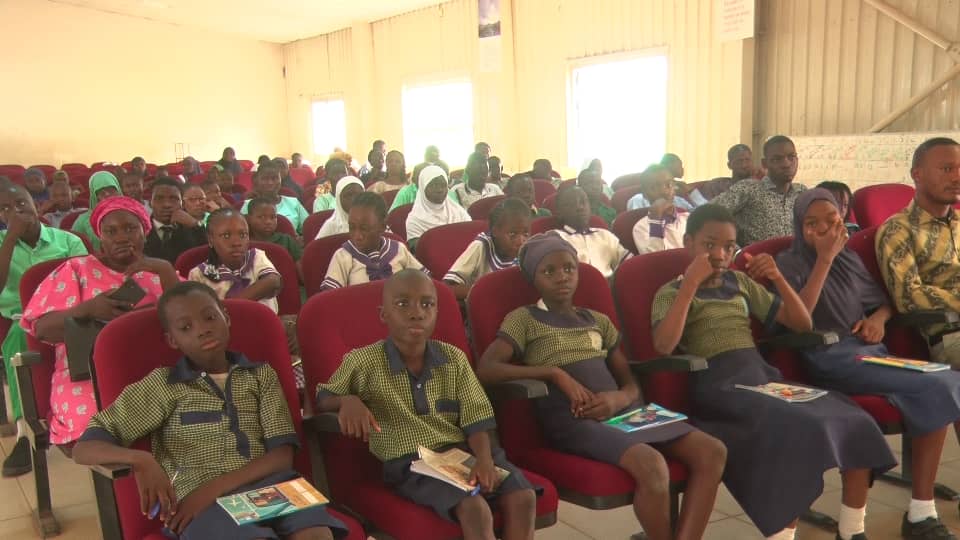
Education stakeholders in Osun State have renewed calls for stronger action against drug abuse among students, stressing the need for preventive structures within schools.
Speaking at the Education Convergence program in Osogbo on Thursday, Professor Chinwe Obiagu, Director-General and Special Envoy to Governor Ademola Adeleke on Climate Change and Renewable Energy, emphasized the urgent need to introduce mental health clubs and social workers in schools to address the crisis.
She explained that peer mentoring should also be encouraged to make students accountability partners in curbing drug abuse.
According to her, the state must scale up advocacy efforts in collaboration with the National Drug Law Enforcement Agency (NDLEA).
“We need to urgently start mental health first aid clubs in schools and ensure that social workers are introduced, even in private schools.
“Under mental health first aid, peers act as first responders who hold each other accountable. I’ve also reached out to the NDLEA office so we can increase advocacy from 76 schools to 300,” she said.
Convener and Founder of the Lola Cater Foundation, Ololade Ogunubi, explained that the annual Education Convergence program was designed to empower students with social skills while tackling pressing issues such as drug abuse, sexual and gender-based violence, and menstrual hygiene.
She noted that over 200 students from 40 schools participated this year.
“One of the social vices we identified in Osun was drug abuse, which is why we brought in NDLEA to speak with the students.
“We also had breakout sessions where the students themselves drafted policy recommendations. But beyond this, sustainability lies in forming school clubs, as recommended by the governor’s envoy,” Ogunubi said.
Deputy State Commander of the NDLEA, Adegoke Katrine Oluwatoyin, cautioned students against the dangers of drugs, highlighting their physical, psychological, and social consequences, while reassuring those already affected that rehabilitation is available.
“There is no benefit in abusing drugs. For those already involved, there’s still hope. Our rehabilitation program lasts between three months and two years, involving counseling, treatment, and reintegration. But this war against drug abuse isn’t for NDLEA alone, parents, teachers, and leaders must all be vigilant,” she said.
The event underscored the importance of collective action, with speakers urging government, schools, NGOs, and families to work in synergy to rid Osun schools of drug abuse.