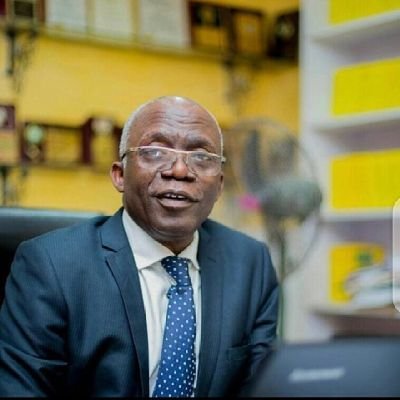
Human rights lawyer and Senior Advocate of Nigeria (SAN), Femi Falana, has strongly criticised the Nigerian Senate over what he described as deliberate delays in passing the Electoral Act Amendment Bill, warning that the move could seriously damage the credibility of the 2027 general elections.
Falana spoke on Sunday during an interview on Arise News, where he expressed frustration at the Senate’s decision to set up another committee to review the bill, despite the House of Representatives already passing it in December 2025.
According to him, the action shows a clear attempt by lawmakers to maintain the status quo rather than address urgent electoral reforms.
“From the conduct of both chambers of the National Assembly, it is obvious that they simply want the status quo retained. This rigmarole is only meant to give Nigerians the impression that the Electoral Act is being addressed,” Falana said.
The Electoral Act Amendment Bill proposes key reforms such as electronic transmission of election results, tougher penalties for vote-buying, voting rights for inmates, and sanctions against delegates who accept money to manipulate party primaries.
Falana argued that these reforms are critical to fixing long-standing weaknesses in Nigeria’s electoral system.
He accused lawmakers of focusing on unnecessary amendments already covered by existing laws while failing to ensure proper enforcement.
“We operate in an atmosphere of reckless impunity. While the only politically important issue now is the gale of defections, the National Assembly is busy with time-wasting amendments,” he stated.
He also recalled that major electoral reforms, including the creation of an Electoral Offences Commission recommended as far back as 2008, are yet to be implemented.
Emphasising the need to clearly legalise electronic accreditation and transmission of results, Falana pointed to controversies surrounding past elections.
“In the last election, Nigerians witnessed a national embarrassment where three major presidential candidates claimed victory. The election petition lasted 10 months. Why should it take two years to put these provisions into law?” he asked.
Beyond electoral matters, Falana also spoke on the trial of alleged military coup plotters, insisting that only the Federal High Court has the constitutional authority to handle treason-related offences.
“By virtue of Section 251(2) of the Constitution, only the Federal High Court can try treason and allied offences. The government must respect this law,” he said.
He further criticised the Lagos State Government’s handling of protests and demolitions, accusing authorities of violating citizens’ rights.
“If the government wants to demolish buildings, that is not a problem. But there must be dialogue and relocation. People are entitled to dignity and housing. Night demolitions using tear gas are unlawful,” Falana said, citing court judgments against forced evictions.
Defending the right to protest, Falana stressed that criticism of public officials is a cornerstone of democracy.
“Criticism is indispensable in a democratic society. Vulgar abuse does not automatically amount to defamation,” he noted, while condemning the violent dispersal of peaceful protesters at Alausa.
Falana concluded by urging Nigerians and civil society organisations to mount pressure on lawmakers to ensure the passage of the Electoral Act Amendment Bill.
“Unless Nigerians are mobilised to pressure the National Assembly, this bill will not be passed. There is no indication it will happen unless we act,” he warned.
Advertisement