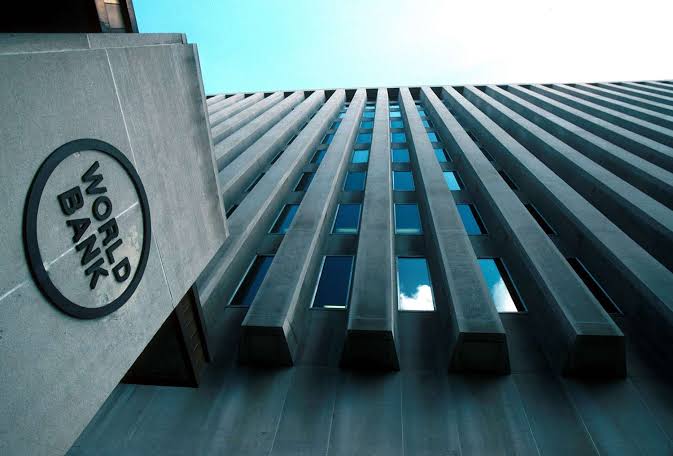
The World Bank has disbursed an additional $215 million to Nigeria under the $800 million National Social Safety Net Programme-Scale Up (NASSP-SU), bringing total funding to $530 million.
According to The PUNCH, updated data on the World Bank’s website indicates the new funds were released recently, likely in May, though an exact date is not confirmed.
Approved in December 2021, the programme provides conditional cash transfers to Nigeria’s poorest households. Under President Bola Tinubu, the monthly amount was raised from N5,000 to N25,000 for three months, targeting 15 million households.
Nigeria previously received $300 million in October and $15 million in November 2023. With the latest tranche, about 66.25% of the loan has been disbursed, leaving approximately $226.7 million.
However, the country has already paid over $6.18 million in interest due to delays tied to administrative and political issues, including corruption allegations at the Ministry of Humanitarian Affairs.
Former minister Sadiya Umar-Farouq was questioned over a N37.1 billion fraud case, while successor Dr. Betta Edu was suspended for authorizing a N585 million payment to a private account. The EFCC has since recovered several billions.
In response, President Tinubu appointed Finance Minister Wale Edun to restructure the programme, which now requires Bank Verification and National Identity Numbers from beneficiaries.
Despite improvements, a January 2025 World Bank report rated the programme “moderately satisfactory,” citing weak financial management, procurement lapses, and monitoring gaps.
The current NASSP-SU ends December 31, 2025, unless extended. It follows the original $500 million NASSP (2016–2022), which faced similar governance and procurement issues.
In January 2025, the World Bank sanctioned Nigerian firms Viva Atlantic Ltd and Technology House Ltd, along with CEO Norman Didam, for fraud. Consultant Akuboh Victor Uneojo was also debarred for bribery.
These sanctions highlight ongoing accountability challenges in Nigeria’s social intervention efforts.
Advertisement