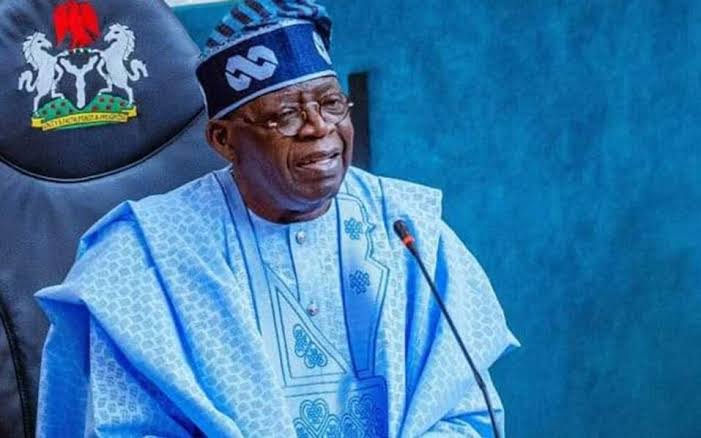
President Bola Ahmed Tinubu has affirmed his commitment to protecting Nigerians’ right to free speech, even when it involves harsh criticism of his administration.
Speaking during his Democracy Day address at the National Assembly Complex on Thursday, Tinubu urged security agencies not to target citizens or journalists for expressing dissenting views or criticizing government policies.
“Democracy demands tolerance for sharp words and pointed criticism,” the President said. “Call me names, say what you will—democracy itself guarantees your right to speak.”
Addressing lawmakers and political allies, Tinubu encouraged a culture of dialogue over repression, and openness over authoritarianism.
“Legislators must remain open-minded in protecting civil liberties, especially the right to free speech,” he emphasized.
His remarks follow widespread condemnation over the treatment of journalists and critics under his administration. Notable media figures such as Daniel Ojukwu, Adejuwon Soyinka, and Segun Olatunji have reportedly been detained by security forces, sparking outcry from press freedom advocates and civil society groups.
Critics say these actions violate Section 39(a) of Nigeria’s 1999 Constitution, which guarantees freedom of expression and the right to receive and share ideas without interference.
Various civil society organizations and media watchdogs, including the Nigeria Union of Journalists (NUJ) and the International Press Institute (IPI Nigeria), have likened the recent clampdowns to practices from Nigeria’s military era—raising concerns that democracy is being eroded just 26 years after the country’s return to civilian rule.
In his speech, Tinubu urged tolerance for opposing views, even when they’re uncomfortable.
“Some of the most valuable lessons politicians learn come from their harshest critics,” he noted. “Silencing dissent only breeds resentment and chaos.”
While acknowledging that defamation and slander should be addressed appropriately, the President insisted no one should suffer persecution for merely expressing an opinion or reporting critically about his government.
“Our democracy isn’t perfect, but it’s alive and resilient,” he concluded. “And that means our dream of a stronger, more united Nigeria is still worth striving for.”
Advertisement