
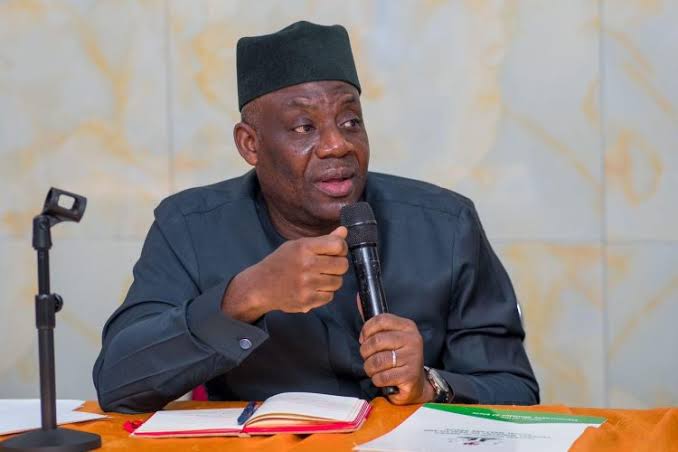
The Minister of Education, Dr. Tunji Alausa, has expressed full support for the implementation of mandatory and random drug integrity tests for students in Nigeria’s tertiary institutions as part of a broader strategy to combat substance abuse among youths.
Dr. Alausa made this known during a meeting in Abuja with the Chairman and Chief Executive of the National Drug Law Enforcement Agency (NDLEA), Brig. Gen. Buba Marwa (retd), where both officials discussed a collaborative approach to tackling drug use in schools.
According to a statement issued on Wednesday by NDLEA spokesperson, Femi Babafemi, the education minister also approved the review of the national secondary school curriculum to include modern drug education. Additionally, he announced the formation of an inter-ministerial technical working group in collaboration with the NDLEA to drive these initiatives.
During the meeting, Marwa outlined a three-part strategy: the inclusion of updated drug education in school curricula, the introduction of dedicated drug abuse prevention programs in secondary schools, and the rollout of a drug testing policy in tertiary institutions covering new intakes, returning students, and random testing.
Describing drug abuse as a major threat to national security and youth development, Marwa linked substance abuse to violent crimes such as terrorism and banditry. He noted that the NDLEA had arrested over 40,000 drug offenders and seized more than 5,500 metric tonnes of illicit drugs within the past two years.
“We are fighting for the souls of our children. Without drugs, many criminal activities would not be possible,” Marwa said.
In response, Alausa emphasized the urgent need to address the issue, warning that drug use among youths undermines their education, critical thinking, and future employability. “When young people are involved in drugs, their ability to gain functional education is compromised,” he said. “Eventually, they become unemployable, and the cycle of dysfunction continues.”
He affirmed that drug tests for students in tertiary institutions would be implemented without delay. “We don’t have a choice. We have to start. At least, we’ll begin with new and returning students, and include random testing,” he stated.
The minister also announced plans to establish a Substance Use Prevention Unit within the Ministry of Education and confirmed ongoing efforts to revise the secondary school curriculum, with the goal of cascading drug education down to the primary level.
“We’re developing a new curriculum for secondary schools, and I’ve directed the Director of Senior Secondary School to work on integrating drug education,” he added. “We also support the idea of stand-alone drug prevention programs that can be introduced and scaled across schools.”
Dr. Alausa further pledged to collaborate with the Universal Basic Education Commission (UBEC) and the Tertiary Education Trust Fund (TETFund) to provide support for the NDLEA Academy in Jos, Plateau State, as part of the broader national campaign to curb drug abuse in the education sector.
Advertisement