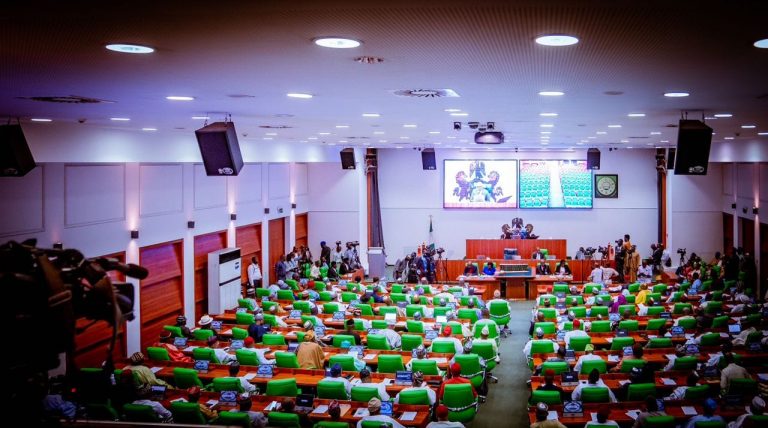
The House of Representatives Committee on Petroleum Resources (Downstream) has opened an investigation into the turnaround maintenance (TAM) of Nigeria’s four state-owned refineries, amid growing concerns over their continued dysfunction despite $18 billion reportedly spent on rehabilitation.
The inquiry, announced Wednesday by Committee Chairman Ikenga Ugochinyere (PDP, Imo), follows the unexpected shutdown of the Port Harcourt and Warri refineries—both of which had only recently resumed operations after years of inactivity.
Ugochinyere raised questions about the effectiveness of the maintenance work, especially given the reputation of the contractor involved, and why the massive financial outlay has yet to yield functional facilities.
In addition to examining the core issues surrounding the failed TAM, the committee is also probing broader challenges affecting Nigeria’s downstream oil sector.
These include allegations surrounding market dominance by the Dangote Refinery, ongoing feedstock shortages for modular refineries, complaints from NNPC Retail staff over the OVH acquisition, and the exclusion of artisanal refiners from formal supply chains.
Technical sub-committees have been formed to explore solutions, including potential amendments to the Petroleum Industry Act (PIA) that could enhance the effectiveness of the Nigerian Midstream and Downstream Petroleum Regulatory Authority (NMDPRA).
Ugochinyere said the goal is to create a more transparent, competitive, and sustainable downstream sector that benefits all Nigerians.
Responding to a petition calling for the dissolution of the NMDPRA, the committee reaffirmed that only the President holds the authority to appoint or remove its leadership, as stipulated by law.
Ugochinyere emphasized that the committee’s work would be driven by transparency and accountability, adding that any confirmed cases of corruption would be dealt with decisively.
He also assured that the 10th National Assembly would resist any efforts to establish monopolies within the sector, committing instead to fair market practices that protect consumer interests and foster industry-wide growth.
Advertisement