The Securities and Exchange Commission (SEC) has disclosed that Nigerians have collectively lost about N316 billion to Ponzi schemes and unregistered fund managers, attributing the alarming trend to widespread greed, ignorance, and the allure of instant wealth.
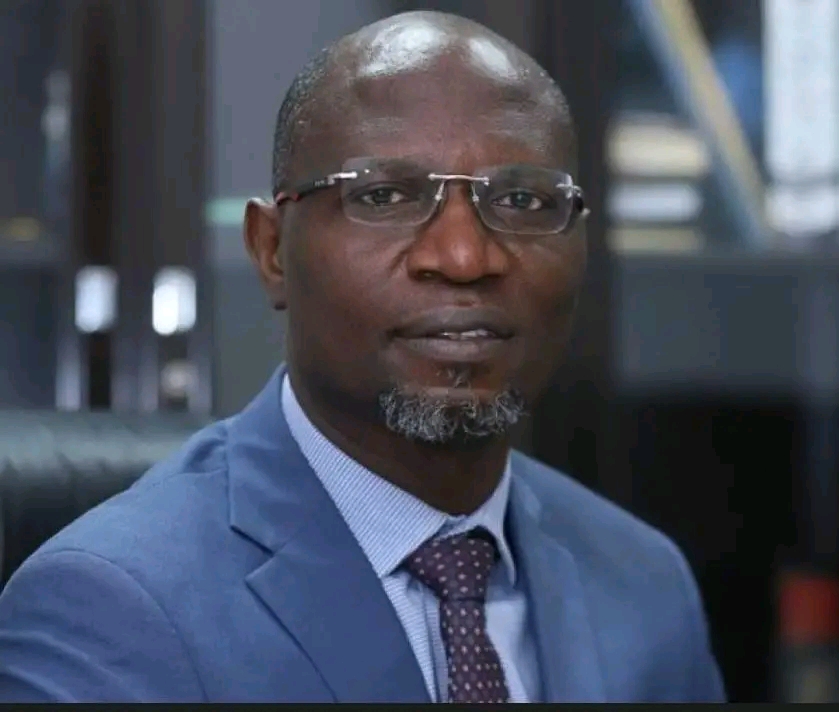
Speaking during a journalist training session in Abuja, the Head of FinTech and Innovation at the SEC, AbdulRasheed Dan-Abu, described Ponzi schemes as fraudulent operations that pay old investors with money from new entrants rather than from any legitimate business activity.
“These schemes don’t run any real business,” he explained. “They simply collect money from new investors to pay old ones. Eventually, when there are no new entrants, the system collapses and the operators disappear.”
Dan-Abu noted that the desire to “get rich overnight” continues to push both the educated and uneducated into such traps. He cited the notorious case of MMM Nigeria, which promised 30 percent monthly returns and lured thousands of Nigerians, many of whom reinvested even after losing their savings when the scheme collapsed.
He also recalled a fake empowerment programme called New Nation, Women in Oil, which defrauded more than 155,000 rural women many of whom sold personal belongings to raise investment funds.
While breaking down the overall losses, Dan-Abu revealed that several fraudulent firms had siphoned away billions of naira from unsuspecting investors.
The Commission’s records show cumulative losses of around ₦316 billion, though this does not include newer digital scams such as Crypto Bridge Exchange (CBEX), which reportedly cost Nigerians over ₦1.3 trillion.
According to him, the rise of social media has worsened the problem, as many fraudsters now use online platforms to recruit victims through WhatsApp groups and flashy investment pitches.
“There’s no business in the world where you can make a lot of money quickly without risk,” he warned, urging Nigerians to verify any investment opportunity directly with the SEC before committing funds.
“The media can save thousands of people if this issue is highlighted regularly,” he added. “Tomorrow, it could be your neighbour, your cousin, or your child who falls victim.”
In his remarks, SEC Director-General, Dr. Emomotimi Agama, stressed the importance of effective regulation of digital assets to protect investors and maintain public confidence in financial systems.
Represented by the Head of External Relations, Efe Ebelo, Agama emphasized that digital assets have become a structural pillar of modern finance and must be regulated to prevent abuse.
“Regulation is not about restriction,” he said. “It’s about building trust and ensuring innovation serves progress, not predation.”
Agama acknowledged Nigeria’s high rate of cryptocurrency adoption but warned that the rapid expansion of digital assets has also opened doors to new forms of fraud, phishing attacks, and fake investment applications.
He pointed out that SEC’s 2022 Rules on Digital Assets established a framework for licensing and compliance to strengthen investor protection and enhance transparency.
The Commission, he added, is collaborating with the Central Bank of Nigeria (CBN) and the Economic and Financial Crimes Commission (EFCC) to trace illicit transactions, freeze wallets, and recover stolen funds using advanced blockchain analytics tools.
“Globally, regulators face a paradox regulate too tightly and innovation moves offshore; too loosely and risks multiply,” Agama said. “Our responsibility is to strike the right balance. In this new frontier, trust is the ultimate currency, and our highest duty as regulators is to preserve it.”
Advertisement