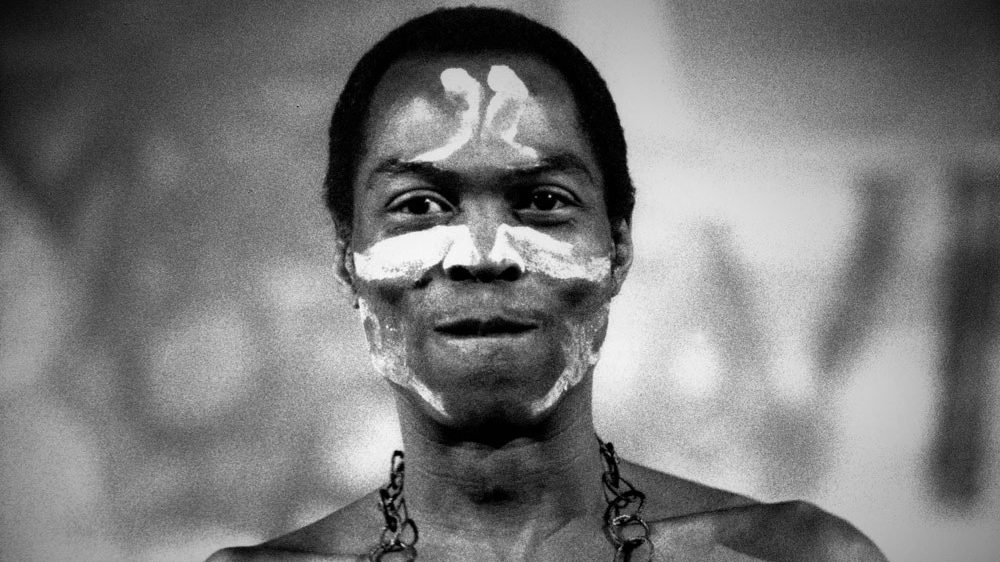
Former U.S. President Barack Obama has paid tribute to legendary Afrobeat pioneer Fela Anikulapo Kuti, describing him as a visionary artist who blended music with activism to inspire global movements for freedom and justice.
In a video shared on his social media account Wednesday night, Obama referred to Fela as “a musical genius from Nigeria” who fused funk, jazz, and soul to create the globally renowned genre of Afrobeat.
The tribute coincides with the release of a new 12-episode podcast series titled “Fela Kuti: Fear No Man”, produced by Higher Ground, the Obamas’ media company. The series celebrates Fela’s life, music, and political legacy.
“You may have heard our documentary podcast last year about Stevie Wonder, The Wonder of Stevie,” Obama said.
“Well, I want to be the first to tell you about our next podcast from Higher Ground. It’s about the legendary Fela Kuti a musical genius from Nigeria who made music I really love, combining funk, jazz, and soul into Afrobeat. It’s a beautiful show about a unique figure in musical history who mixed art with activism.”
Currently on its fourth episode, Fear No Man explores Fela’s journey from his childhood in Nigeria where he witnessed his mother’s activism to his transformative years in 1969 Los Angeles, where music and politics shaped him into a Pan-Africanist and revolutionary artist.
The debut episode, titled “To Hell and Back,” features Obama himself among other interviewees reflecting on Fela’s impact. Obama noted that Fela’s music had the rare ability to “move hearts, change minds, and heal the deepest wounds.”
“Music like Fela’s not only keeps people moving but makes them feel alive,” Obama said. “Our best art and music touch the soul.”
According to the show’s producers, the podcast draws from over 200 interviews with family members, friends, and global figures such as Burna Boy, Paul McCartney, Questlove, and Santigold. Fela’s children Yeni Kuti and Femi Kuti and grandson Mádé Kuti also feature prominently.
The producers describe Fear No Man as a deep exploration of Afrobeat’s soul and a reflection on “the transformative power of art and the role of artists in times of global unrest.”
Advertisement