Nigeria has secured a $2 billion investment from Shell to develop the HI Field, a shallow offshore Non-Associated Gas (NAG) project in Oil Mining Lease (OML) 144.
The project, expected to produce around 350 million standard cubic feet of gas per day by 2028, represents a major step forward in the country’s energy ambitions and stands as Nigeria’s second major gas investment within 18 months.
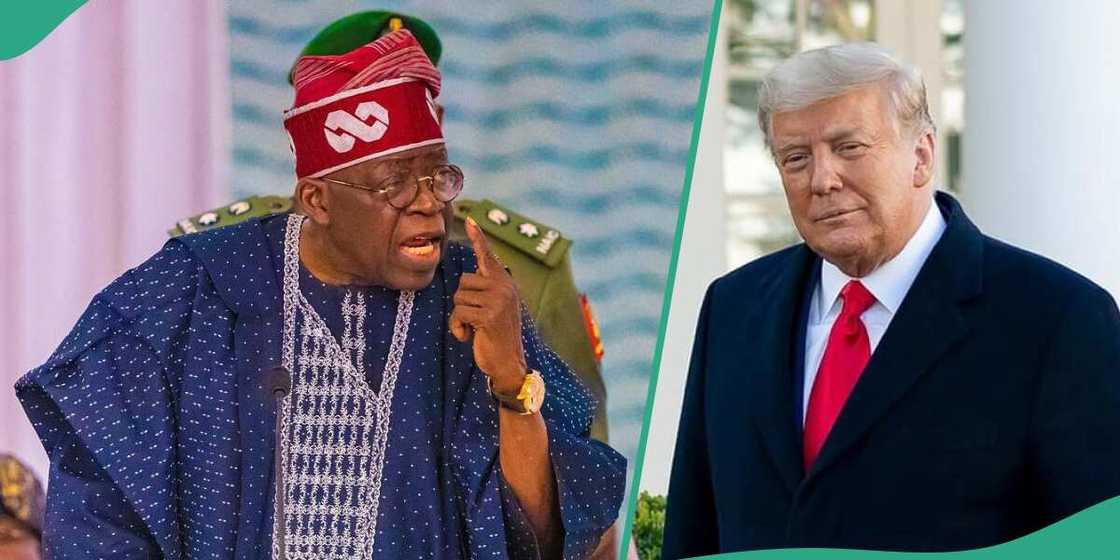
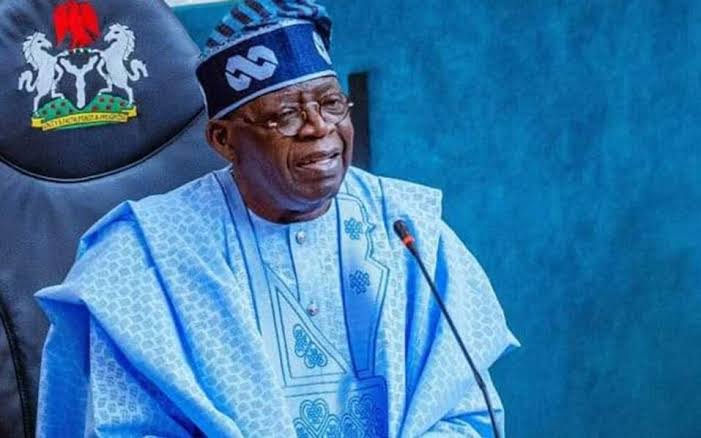
Announced by presidential adviser Bayo Onanuga on Tuesday in Abuja, the deal reflects growing investor confidence in Nigeria’s energy sector under the administration of President Bola Tinubu, who assumed office in 2023. Since then, the country has attracted over $8 billion in upstream investment commitments through final investment decisions.
President Tinubu praised Shell’s decision as a testament to the success of his economic reforms, calling the investment “a clear validation” of the administration’s efforts to open Nigeria to global capital and partnerships.
This is Shell’s second final investment decision in Nigeria within a year, reinforcing its long-term commitment to the country’s energy future.
The HI Field, originally discovered in 1985, will play a central role in supporting Nigeria LNG’s Train 7 project by supplying nearly one-third of its feedgas. Train 7 is poised to increase the country’s LNG production by 8 million metric tonnes annually—an anticipated 35% boost to current capacity.
Together with the recently approved Ubeta NAG project, the HI development marks the third major oil and gas final investment decision in Nigeria within 18 months, solidifying a growing trend of energy sector revitalization.
Presidential Energy Adviser Olu Verheijen attributed this momentum to key reforms, notably Presidential Directive 40, which established more competitive fiscal terms for gas projects in onshore and shallow offshore areas.
She emphasized that the combination of the Ubeta and HI fields would contribute up to 15% of the total feedgas needed for Nigeria LNG’s Trains 1 through 7, enabling a transformative leap in domestic and export gas supply.
Verheijen also underscored the broader benefits of these developments, including expanded LNG export capacity, increased domestic LPG availability, reduced reliance on imports, and progress toward cleaner cooking solutions for millions of Nigerians.
Shell’s Upstream President, Peter Costello, reiterated the company’s commitment to Nigeria’s energy landscape, particularly in the deepwater and integrated gas segments, stating that the investment demonstrates Shell’s long-term dedication to supporting Nigeria’s growth.
The Tinubu administration affirmed its continued focus on creating a business-friendly environment capable of attracting both local and foreign investors, positioning Nigeria as a key global player in the natural gas sector.
Advertisement