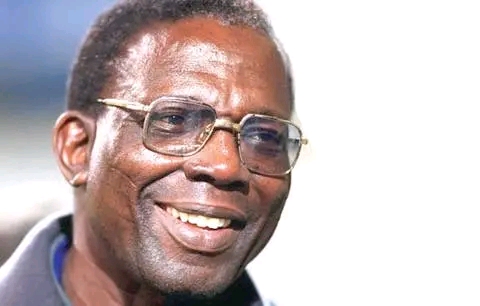

The Senator representing Delta North at the House of Senate, Ned Nwoko has once again called for the passage of his proposed social media regulation bill, saying defamation and false accusations have now become a dangerous trend in Nigeria’s online space.
Nwoko’s bill, which seeks to compel social media platforms and bloggers to register and have physical offices in Nigeria, scaled second reading in the Senate on March 18.
The senator’s renewed advocacy follows a viral video posted by a TikTok creator known as “liaroftiktok”, who alleged that Nwoko paid him to kill his estranged wife, actress Regina Daniels.
The video spread widely across multiple platforms before the creator posted another video retracting the claim, stating that he was merely “creating content” and that the allegation was false.
Nwoko said the incident highlights how easily false and damaging accusations are made online without consequences, noting that many content creators now use “very serious allegations” as clickbait.
Condemning the trend, Nwoko said the absence of regulation encourages “deviant behaviour” on social platforms.
“This case and many others clearly justify the urgent need for the social media bill,” he said.
“You can’t lie to make money and then turn around to apologise after criminally defaming people.”
He argued that just as landlords are now being held responsible for illegal activities carried out by tenants, social media companies should also be held accountable for defamatory content on their platforms.
The senator said his proposed law aims to ensure that social media companies will register and operate physically in Nigeria, take responsibility for content hosted on their platforms, pay taxes, respond to litigation more easily, support efforts to track criminal activities and keep Nigerians’ data stored within the country rather than overseas
He added that the bill would also create jobs, improve technology transfer, and strengthen regulation in the digital space.
Nwoko urged Nigerians to support the legislation, insisting it is not intended to stifle free expression but to ensure accountability in an online environment where falsehoods can spread unchecked.
Advertisement