The Independent National Electoral Commission (INEC) has unveiled a revised draft of its 2026 Regulations and Guidelines for Political Parties, as part of efforts to improve Nigeria’s electoral system ahead of the 2027 general elections.
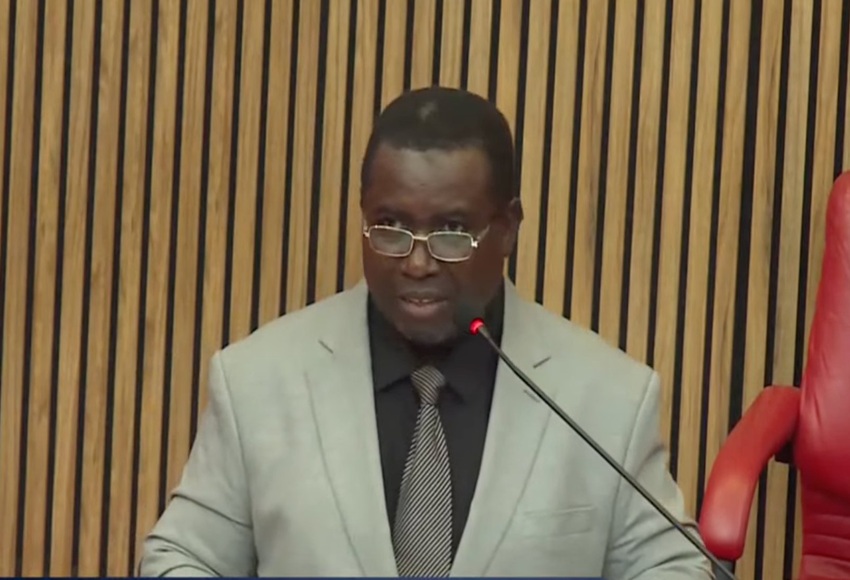
Speaking at a consultative meeting with party leaders in Abuja, INEC Chairman, Joash Amupitan, said the updated guidelines are designed to align with the Electoral Act 2026 while addressing shortcomings identified in previous frameworks.
He emphasised that credible elections begin long before voters head to the polls, stressing the need for transparency in how political parties select their candidates.
“We are not just reviewing regulations; we are reinforcing our collective commitment to credible elections. Transparency in candidate emergence is key to building public trust,” he said.
Amupitan explained that the new draft followed a detailed review of the 2022 guidelines, supported by data from the Political Party Performance Index developed in collaboration with the Westminster Foundation for Democracy.
According to him, the review revealed a worrying gap between party constitutions and what actually happens at the grassroots level.
To address this, the revised guidelines introduce reforms in critical areas such as party registration, mergers, internal administration, conduct of primaries, campaign activities, financial transparency, and conditions for deregistration.
He noted that a major goal is to clean up party primaries and prevent the imposition of candidates, a practice that often leads to voter apathy and legal disputes.
The INEC chairman also highlighted new provisions on campaign financing, noting that the Electoral Act 2026 empowers the commission to set spending limits in consultation with political parties.
With the 2027 elections scheduled for January 16 (presidential and National Assembly) and February 6 (governorship and state assemblies), Amupitan warned that preparations are taking place within a tight timeframe.
“We are working with a compressed timetable that requires precision and coordination,” he said.
Beyond structural reforms, the draft guidelines also introduce measurable targets to boost the participation of women, youths, and persons with disabilities in the political process.
Amupitan urged political parties to engage constructively with the proposals, describing them not as restrictions, but as safeguards aimed at strengthening Nigeria’s democracy.
Advertisement