The Federal Government has announced plans to begin phasing out electricity subsidies from 2027 as part of ongoing reforms aimed at building a financially sustainable power sector and improving electricity supply across the country.
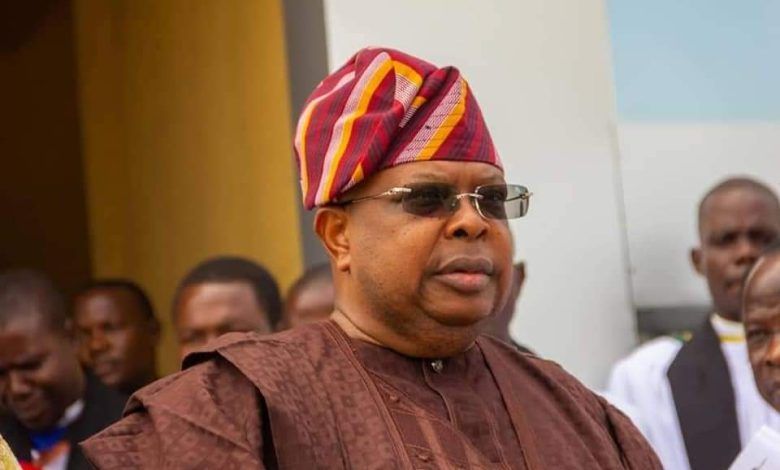
The Minister of Power, Joseph Tegbe, disclosed this on Friday during a media interactive session, saying the move forms part of the Tinubu administration’s broader efforts to address the financial challenges facing the electricity industry while attracting greater investment into power generation, transmission and distribution.
Since assuming office, President Bola Tinubu’s administration has prioritised reforms in the power sector, with the government maintaining that reducing market distortions and improving the financial health of electricity operators are critical to achieving stable and reliable power supply for Nigerians.
Tegbe explained that although the government intends to phase out electricity subsidies, the process would be gradual and designed to protect ordinary Nigerians, particularly vulnerable consumers.
According to him, there are no immediate plans to increase electricity tariffs, stressing that the subsidy removal should not be interpreted as an automatic tariff hike.
“The phase-out of electricity subsidies will begin from 2027. However, there are no immediate plans to increase electricity tariffs. Our goal is to build a commercially viable power sector while protecting vulnerable consumers,” the minister said.
He noted that years of electricity subsidies have placed enormous financial pressure on government finances, making it increasingly difficult to sustain the current arrangement while meeting the growing investment needs of the sector.
To cushion the impact of the reforms, Tegbe said the Federal Government would deploy the Power Consumer Assistance Fund to support vulnerable electricity consumers during the transition.
“The Power Consumer Assistance Fund will play a critical role in cushioning the impact on vulnerable consumers as we implement these reforms,” he added.
The minister explained that details of the implementation timeline and consumer protection measures would be unveiled as the reform process progresses, assuring Nigerians that the government remains committed to ensuring that the transition is fair and carefully managed.
According to him, the long-term objective of the reforms is to create a commercially viable electricity market capable of attracting private investment, improving infrastructure and delivering more reliable power to homes and businesses.
Industry experts have repeatedly argued that while electricity subsidies have helped moderate costs for consumers, they have also contributed to mounting debts within the power sector, limiting investment and slowing efforts to improve electricity generation and distribution.
The Federal Government believes that the planned reforms, alongside ongoing investments and policy interventions, will place Nigeria’s electricity industry on a stronger financial footing while supporting the country’s broader economic growth and industrial development.