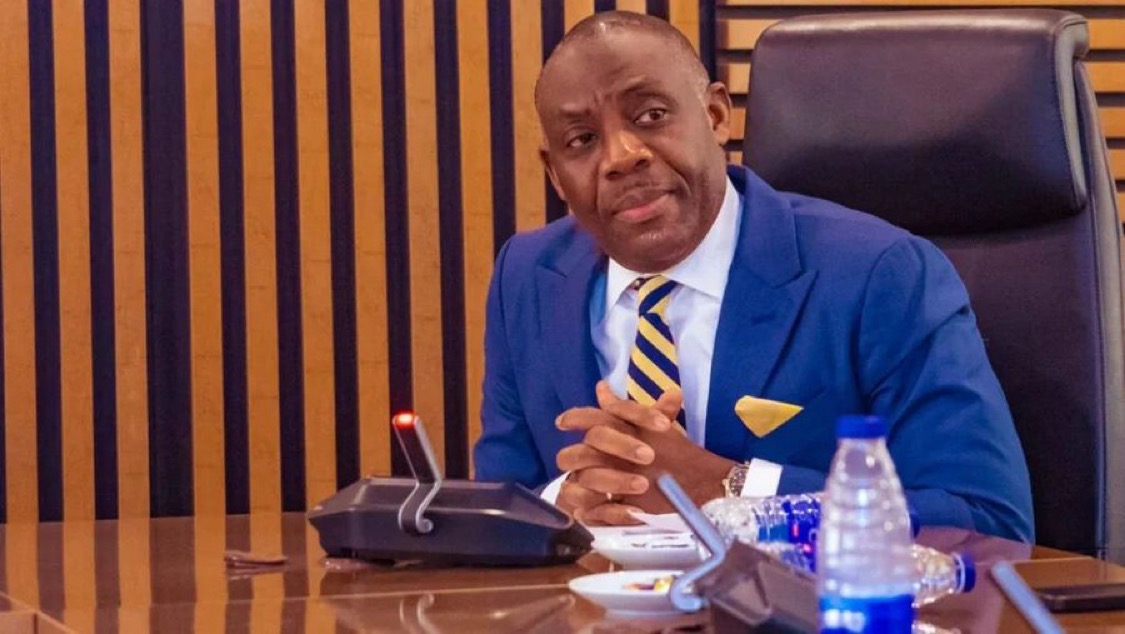
The Federal Government has highlighted 26 initiatives introduced under President Bola Tinubu’s administration to reform Nigeria’s education sector, covering university funding, teacher development, technical education, student entrepreneurship and digital learning.
Advertisement
The initiatives were contained in an A–Z document titled From Reform to Results, released by the Minister of Education, Tunji Alausa, on Tuesday through his official X account.
The document outlines programmes being implemented under the Nigeria Education Sector Renewal Initiative (NESRI), with the government describing them as efforts to improve access to education, strengthen institutions, promote research and equip young Nigerians with skills for employment and entrepreneurship.
Among the major interventions is the Nigerian Education Loan Fund (NELFUND), which the ministry said had processed 1,659,853 applications and disbursed a total of ₦372.62bn, comprising ₦192.89bn in institutional fees and ₦179.73bn in students’ upkeep allowances.
The government also highlighted its agreement with the Academic Staff Union of Universities (ASUU), which provides for a 40 per cent increase in academic staff remuneration, alongside revised allowances aimed at improving lecturers’ welfare and promoting stability in the university system.
On teacher development, the document revealed that 53,553 teachers had registered on the EduRevamp platform, while 51,794 registrations were recorded under the first cohort of the Accelerated Teacher Professionalisation Pathway. The programme is backed by a ₦2bn investment and targets 250,000 teachers by 2027.
The administration also reported progress in technical and vocational education, stating that more than 2.8 million people applied for its Technical and Vocational Education and Training programme, while 156,446 trainees had been verified. It added that over ₦65.7bn had been disbursed in stipends and start-up support.
Another initiative highlighted is the Student Venture Capital Grant, designed to support young entrepreneurs with innovative business ideas. According to the ministry, more than ₦2.5bn had been disbursed to 45 student entrepreneurs, with each beneficiary receiving up to ₦50m.
In the area of basic education, the government said more than one million out-of-school children had been reintegrated into learning, while programmes targeting girls’ education had reached 7.19 million beneficiaries across 21 states.
The document also listed interventions in medical education, including increased enrolment in nursing, medicine, dentistry and pharmacy programmes, as well as a ₦110bn investment in the rehabilitation of 24 medical schools.
Other programmes include free technical education in federal and selected state technical colleges, the provision of electric tricycles across universities, renewable energy projects in tertiary institutions, digital learning platforms and initiatives connecting Nigerian academics in the diaspora with students at home.
The ministry further highlighted reforms in university financial autonomy, curriculum development, research commercialisation and educational data management.
Education reforms amid concerns over access and quality
The unveiling of the 26 initiatives comes amid longstanding challenges in Nigeria’s education sector, including the growing number of out-of-school children, inadequate infrastructure, shortage of qualified teachers, poor funding and recurring disputes between university lecturers and the Federal Government.
Despite successive government interventions, many public schools and tertiary institutions continue to face difficulties ranging from overcrowded classrooms and insufficient learning facilities to rising education costs.
The Tinubu administration’s latest report therefore places emphasis on improving access, strengthening institutional capacity and connecting education with practical skills and economic opportunities.
However, the figures released by the ministry represent government-reported achievements, while the broader impact of the initiatives will depend on their implementation, sustainability and ability to translate into improved learning outcomes for Nigerian students.
With several of the programmes carrying targets extending to 2027, attention will remain on whether the reported investments and reforms can deliver lasting improvements across the country’s education system.