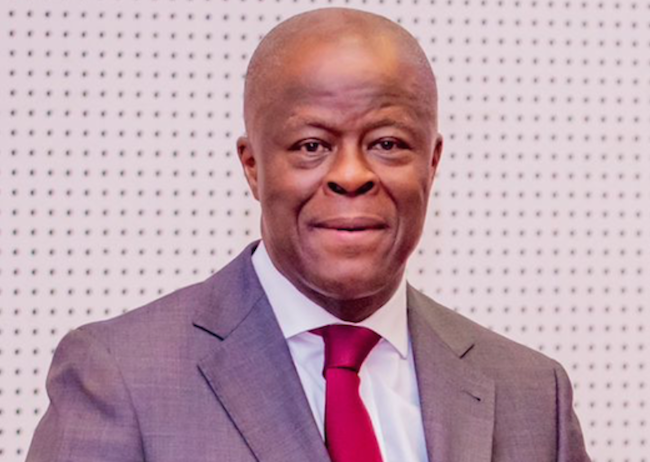
 Minister of Finance and Coordinating Minister of the Economy, wale Edun
Nigeria’s current account balance recorded a surplus of $1.432bn in 2024, according to the International Monetary Fund’s World Economic Outlook Database accessed by Reporters online on Wednesday.
The rise in FG’s account for the period represents a substantial increase from the $1.21bn surplus recorded in 2023.
A country’s current account balance represents the combined total of its trade balance, net income, direct transfers, and asset income, providing a comprehensive picture of its international economic transactions.
It reflects the balance between exports and imports, income earned and paid, and asset increases or decreases.
A positive balance indicates a net lending position, while a negative balance indicates a net borrowing position.
The improvement in the current account balance is attributed to the country’s growing gross national savings and investment.
In 2024, Nigeria’s gross national savings increased to 26.32 per cent of Gross Domestic Product, up from 24.61 per cent in 2023. Total investment also rose to 25.75 per cent of GDP in 2024, compared to 24.28 per cent in 2023.
Economic experts have hailed this development as a sign of a robust economy driven by increased economic activity and confidence.
The growth in savings suggests a rise in disposable income and a shift towards a more savings-oriented economy, while the increase in investment indicates a boost in economic activity and potential for future growth.
An economist, Olorunfemi Idris said, “This surplus in the current account balance suggests a favourable trade balance and income situation, further bolstering Nigeria’s economic stability.”
As Africa’s largest economy, Nigeria’s economic growth and stability are crucial for the continent.
“The country’s efforts to diversify its economy and improve economic fundamentals have yielded positive results, attracting investors and boosting economic activity,” he noted.
The IMF data provides a positive outlook for Nigeria’s economic growth and stability, indicating a growing economy with increasing investment and savings. This trend is expected to continue, driving economic growth and stability in the region.