The Federal Government has approved the implementation of a dual certification programme in federal colleges of education, enabling them to award both the Nigerian Certificate in Education (NCE) and a bachelor’s degree in education.
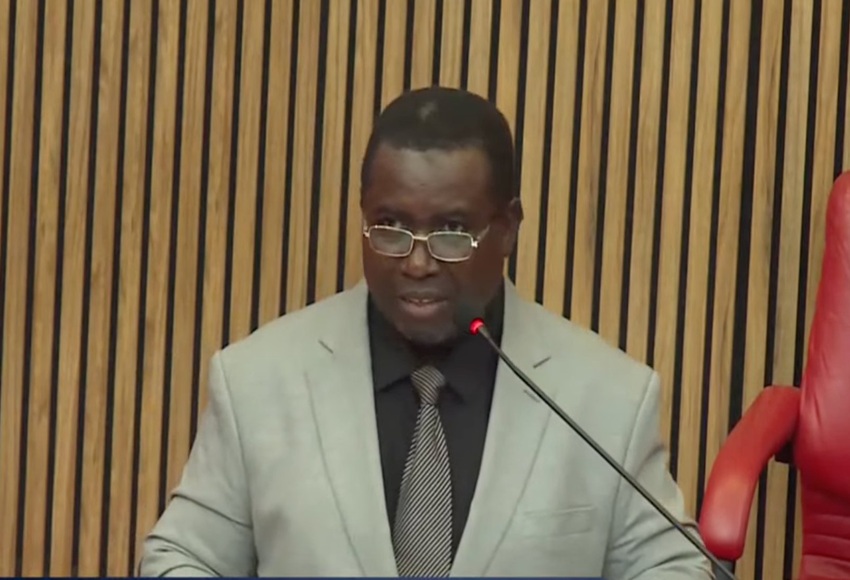
Minister of Education, Dr. Tunji Alausa, made the announcement via his official X (formerly Twitter) handle, confirming that the initiative will commence with the 2025/2026 academic session, starting in September.
Dr. Alausa explained that the move aims to enhance the quality of teacher training, boost graduate employability, and align Nigeria’s higher education system with global standards. The dual certification was made possible through the revised law governing Federal Colleges of Education (FCOEs), signed into law by President Bola Ahmed Tinubu in 2023.
The new legislation allows FCOEs to operate under a dual mandate—offering both the NCE and a Bachelor of Education (B.Ed.) degree. To ensure smooth implementation, the Ministry of Education has begun engaging key stakeholders, including staff unions and college management teams.
According to the minister, this reform is central to the government’s broader education transformation agenda. “Teachers are at the heart of national development. Our goal is to elevate the teaching profession and ensure that educators are equipped with skills that meet both national and international standards,” he stated.
The Ministry is working in close collaboration with regulatory bodies such as the National Universities Commission (NUC), the National Commission for Colleges of Education (NCCE), and the Joint Admissions and Matriculation Board (JAMB) to support the rollout.
Preparations are already underway, with colleges undergoing curriculum upgrades, staff training, and administrative restructuring to meet the demands of the dual certification model.
Under this new system, graduates will leave with both an NCE and a bachelor’s degree, providing them with broader qualifications and improved job prospects in and outside Nigeria. The initiative is expected to close existing skill gaps, elevate professional standards in education, and offer greater flexibility to future educators.
Speaking on the development, Dr. Alausa said: “We are committed to reforming how we train teachers. The old methods no longer serve today’s needs. We must evolve to meet international benchmarks and restore respect to the teaching profession.”
He added that the programme reflects President Tinubu’s belief in the transformative power of education: “As Mr. President often says, ‘The youth are the heartbeat of our great nation.’ We must ensure they receive quality instruction from well-prepared educators.”
Advertisement