The National Association of Nigerian Students (NANS) has issued a stern seven-day ultimatum to the Federal Government and the Academic Staff Union of Universities (ASUU), demanding an immediate resolution to their ongoing dispute to prevent yet another academic disruption.
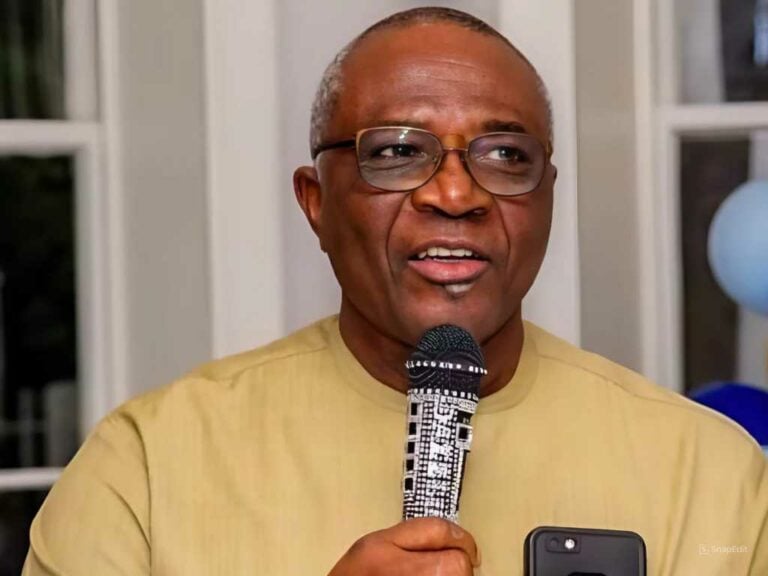
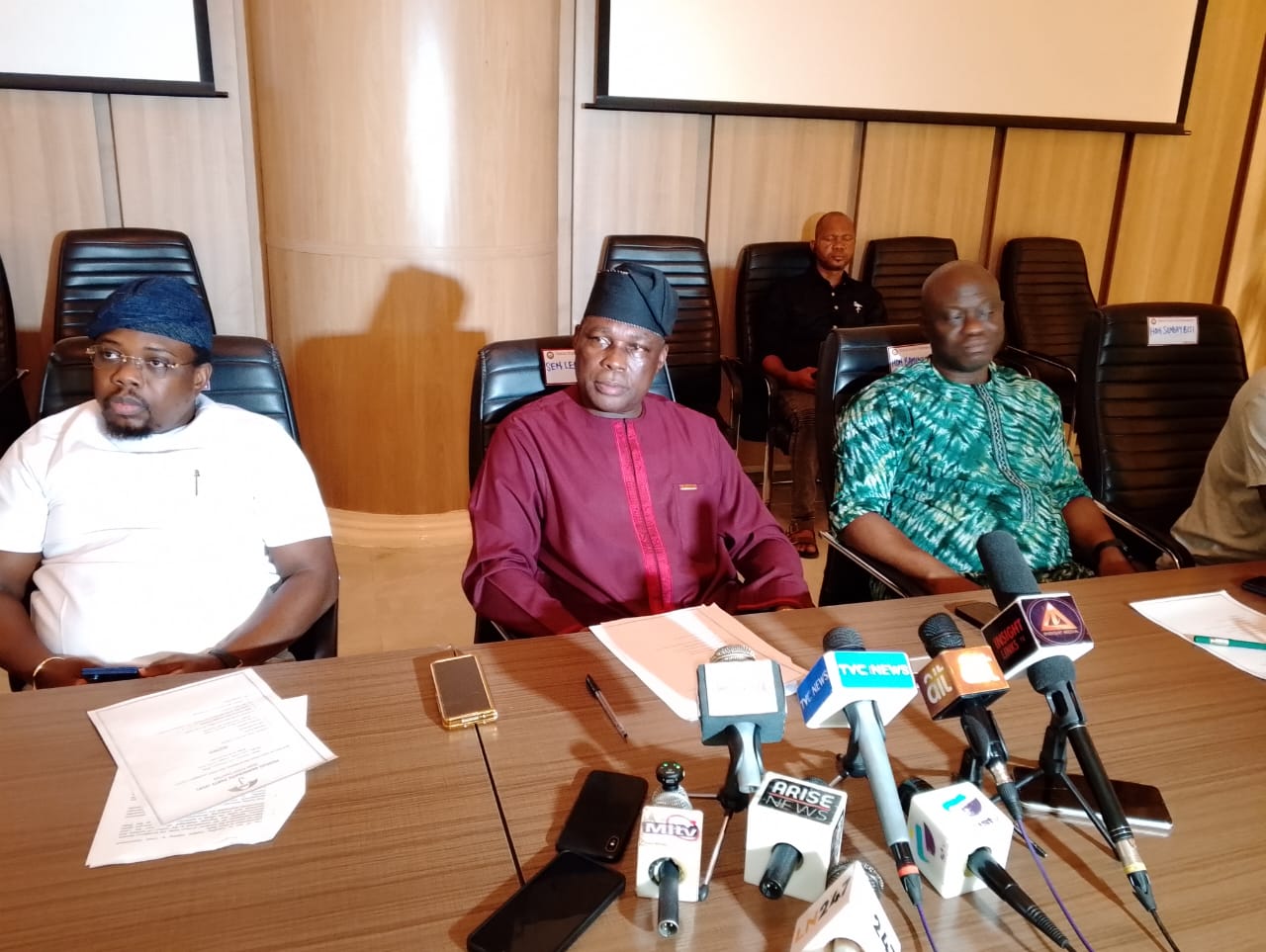
In a statement released on Tuesday, NANS President Olushola Oladoja expressed growing concern over the renewed tension between ASUU and the federal authorities. He warned that any further interruption to the academic calendar would be unacceptable, especially as students continue to face the fallout of previous strikes.
Oladoja acknowledged the relative stability universities have enjoyed over the past two years under President Bola Tinubu’s Renewed Hope administration—marking the first uninterrupted academic sessions since 1999.
However, he cautioned that ASUU’s recent strike threat puts that progress at serious risk, particularly for students now dependent on education loans.
While commending the Tinubu administration for reforms such as the Education Loan Fund, removal of tertiary institutions from the IPPIS platform, reversal of the 40 percent revenue remittance policy, and special interventions from TETFund, the NANS leader criticized delays in implementing agreements with ASUU and a lack of effective communication.
According to Oladoja, efforts to mediate the situation have been hindered by procedural delays, including a previously scheduled meeting that was stalled. Despite this, he said both sides remain open to dialogue.
He urged the federal government to reconvene negotiations immediately and called on President Tinubu to personally intervene to prevent the situation from spiraling into another full-blown strike.
Meanwhile, ASUU commenced a warning strike on Monday following the expiration of a 14-day ultimatum issued to the government. The union is protesting delays in the implementation of a renegotiated agreement, withheld salaries, unpaid promotion and cooperative arrears, and insufficient funding for public universities.
The stalled agreement, initially renegotiated in 2017, remains unimplemented despite several review panels, including the latest led by Yayale Ahmed, which submitted its report in December 2024.
In reaction to the industrial action, Education Minister Tunji Alausa reportedly directed vice-chancellors to enforce the “No Work, No Pay” policy—a move that has drawn sharp criticism from academic unions and further fueled unrest.
With many universities already forced to halt ongoing examinations, fears are growing among students and parents that the academic calendar may once again be thrown into chaos.
Oladoja concluded by calling for immediate and sincere engagement between the two parties, stressing that the future of millions of Nigerian students hangs in the balance.
Advertisement