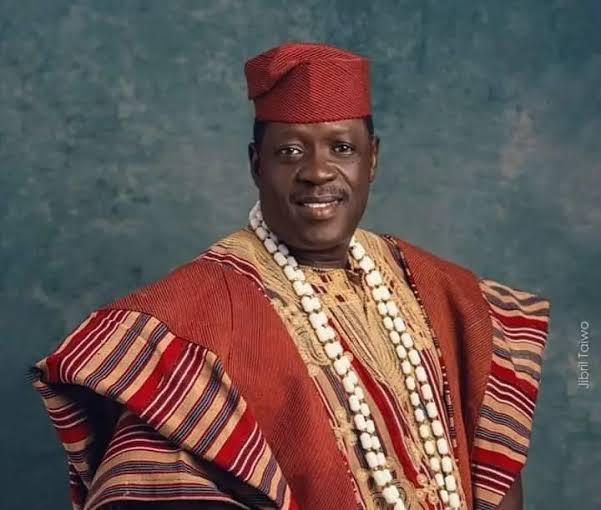
The revelation that veteran Nollywood actor Taiwo Hassan, popularly known as Ogogo, is battling stage-four cancer has triggered an emotional response from his family, colleagues and fans, with many asking the difficult question: Can the 66-year-old actor survive the disease?
Insightlinks reports that the actor’s daughters, Lima and Kira Taiwo, separately appealed for urgent medical assistance on Monday, saying their father’s condition had deteriorated and that they were desperately searching for medical professionals or facilities that could help him.
The daughters stressed that they were not asking Nigerians for money but for medical intervention, particularly access to specialists who could review their father’s condition and determine whether further treatment was possible.
While stage-four cancer is undoubtedly a serious diagnosis, medical experts say the classification does not automatically mean that a patient is about to die or that treatment has become impossible.
What does stage-four cancer mean?
This cancer occurs when abnormal cells grow uncontrollably and invade other tissues. Doctors classify cancer into stages based on factors including the size of the tumour and whether it has spread.
Stage-four cancer is generally the most advanced stage and means that the cancer has spread from the organ where it started to distant parts of the body. This process is known as metastasis.
The cancer may spread to organs such as the liver, lungs or bones, as well as other parts of the body.
However, stage four is not a specific type of cancer. The outlook and treatment depend heavily on where the cancer began, the type of cancer involved, where it has spread, how extensive the spread is and the patient’s general health.
This means that two people diagnosed with stage-four cancer can have very different treatment options and outcomes.
Can Ogogo survive stage-four cancer?
There is no responsible way to predict Ogogo’s chances of survival without knowing the exact type of cancer he has, where it has spread, how extensively it has spread, his previous treatment history and his current physical condition.
However, a stage-four diagnosis does not automatically mean there is nothing doctors can do.
Advances in cancer treatment, including chemotherapy, immunotherapy, targeted medicines, hormone-based treatments, radiation and improved surgical techniques, have allowed some patients with advanced cancer to live longer and, in some cases, achieve long-term control of the disease.
For some patients, the aim of treatment may be to eliminate the cancer. For others, particularly when the disease cannot be completely removed, doctors may focus on controlling its growth, reducing symptoms, extending life and maintaining the best possible quality of life.
What should be done to give Ogogo the best chance?
The first and most important step is for Ogogo to undergo a comprehensive assessment by a qualified oncology team.
His family should ensure that his complete medical records, biopsy and pathology reports, scans, previous treatment records and laboratory results are assembled and reviewed by cancer specialists.
This is important because treatment cannot safely be determined simply by knowing that someone has “stage-four cancer.”
The doctors need to establish the exact cancer type, its primary location, the areas affected and whether there are specific biological characteristics that could make targeted or immune-based treatment appropriate.
Where necessary, the family may also seek a second opinion from another qualified cancer centre, particularly if they are uncertain about the treatment options presented to them.
Treatment depends on the type and spread of cancer
Because stage-four cancer has spread beyond its original location, treatment often involves medicines that can reach cancer cells throughout the body.
Depending on the type of cancer, doctors may consider: Chemotherapy, Immunotherapy, Targeted or precision medicines, Hormonal treatment for cancers that respond to hormones, Radiation therapy and Surgery in carefully selected cases
The appropriate combination will depend entirely on Ogogo’s diagnosis and medical condition.
Why doctors may stop chemotherapy
One of the major concerns raised by Ogogo’s daughters was their claim that hospitals were no longer willing to treat him and that chemotherapy could no longer be administered.
However, stopping chemotherapy does not necessarily mean that doctors have abandoned a patient.
Chemotherapy can have serious side effects, and doctors must consider whether the potential benefits of continuing treatment outweigh the risks.
If a patient is too weak to tolerate a particular chemotherapy regimen, or if previous treatment is no longer controlling the cancer, doctors may recommend another treatment, adjust the dose, try a different approach or move the focus towards symptom control.
This is why an independent review by a qualified oncology team could be important in understanding Ogogo’s current options.
Where does palliative care come in?
Palliative care is another area that families often misunderstand. It does not mean that doctors have stopped caring for a patient.
Palliative care focuses on relieving pain and other symptoms, managing complications and helping a seriously ill person maintain comfort and dignity. It can be provided alongside cancer treatment and is not restricted only to the final days of life.
For a patient with advanced cancer, effective palliative care can help manage pain, breathing difficulties, nausea, weakness, anxiety and other symptoms while the medical team continues to assess available treatment options.
If cancer-directed treatment is no longer beneficial or cannot be tolerated, palliative care can become an even more important part of the patient’s overall management.
What if the cancer has spread to only a few areas?
Not every stage-four cancer behaves in the same way. In some patients, the disease spreads to only a limited number of locations. This situation is sometimes referred to as oligometastatic cancer.
For carefully selected patients, doctors may be able to use surgery, radiation or other treatments to target those cancer deposits.
Such approaches are not suitable for everyone, but they show why it is important to establish the exact extent of Ogogo’s disease before concluding that no further intervention is possible.
His overall health also matters
Doctors will also consider Ogogo’s age, strength, nutritional status, other medical conditions and ability to tolerate treatment.
An aggressive treatment that may benefit a relatively strong patient could be dangerous for someone who is extremely weak or seriously ill.
The goal is therefore not simply to give the strongest available treatment but to find the treatment that offers the best balance between controlling the cancer and protecting the patient’s quality of life.
Ogogo needs a multidisciplinary approach
Managing advanced cancer is rarely the responsibility of one doctor alone. Depending on his condition, Ogogo may require the attention of medical oncologists, radiation oncologists, surgeons, radiologists, pathologists, specialist nurses, nutrition professionals and palliative-care specialists.
A coordinated team can review his medical records, determine whether further cancer treatment is possible and develop a plan for managing symptoms and complications.
The family should avoid unproven remedies
The desperation of families dealing with advanced cancer is understandable, but medical professionals have warned against replacing evidence-based cancer treatment with unverified herbal mixtures or other unproven remedies.
Such products may interact with prescribed medicines, damage organs or delay potentially useful treatment.
Ogogo’s family should therefore discuss any complementary or alternative treatment with his doctors before using it.
The difficult reality
The reality is that stage-four cancer is a serious and potentially life-threatening condition, and no one can guarantee that Ogogo will survive it.
But the diagnosis alone should not lead to the conclusion that his case is hopeless.
The immediate priority should be to establish exactly what type of cancer he has, determine how far it has spread, assess his current health and obtain a comprehensive review from a qualified oncology team.
If treatment remains appropriate, the team can determine whether chemotherapy, immunotherapy, targeted therapy, radiation, surgery or another approach could help.
If cancer-directed treatment is no longer appropriate, palliative care can still play a major role in controlling his symptoms, easing pain and preserving his dignity and quality of life.
For Ogogo and his family, the most important step now is not to lose hope or rush into unverified treatments, but to obtain clear medical information and work closely with qualified specialists to determine the safest and most effective course of action.
At 66, and after more than four decades in the Nigerian film industry, Ogogo remains one of the most recognisable figures in Yoruba cinema. His family’s appeal has now drawn the attention of colleagues, fans and medical professionals, all hoping that he can access the specialist care needed to give him the best possible chance.