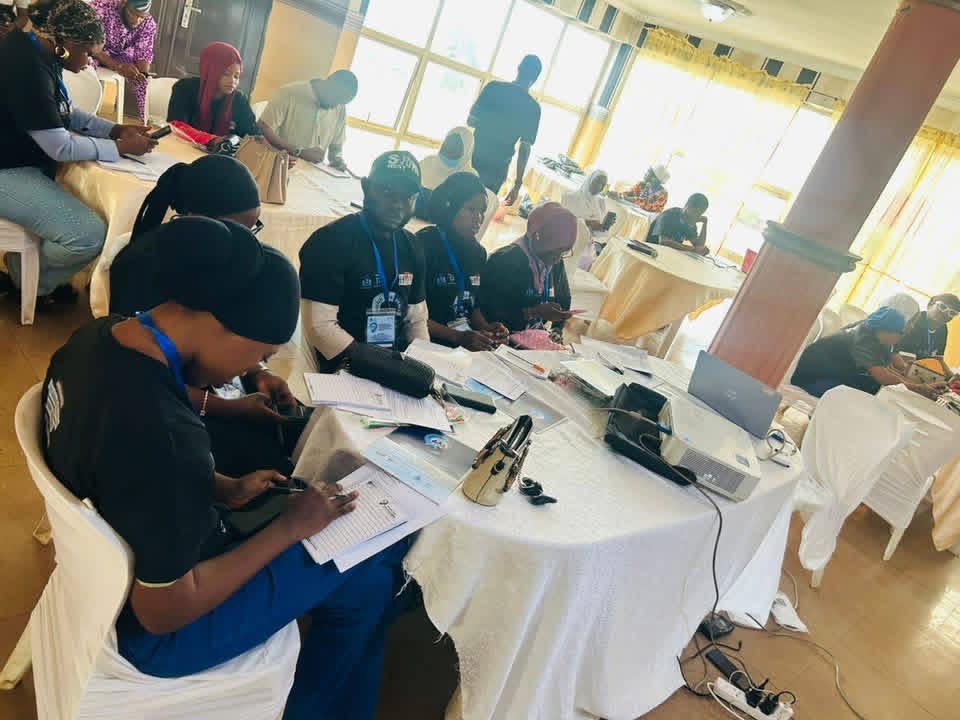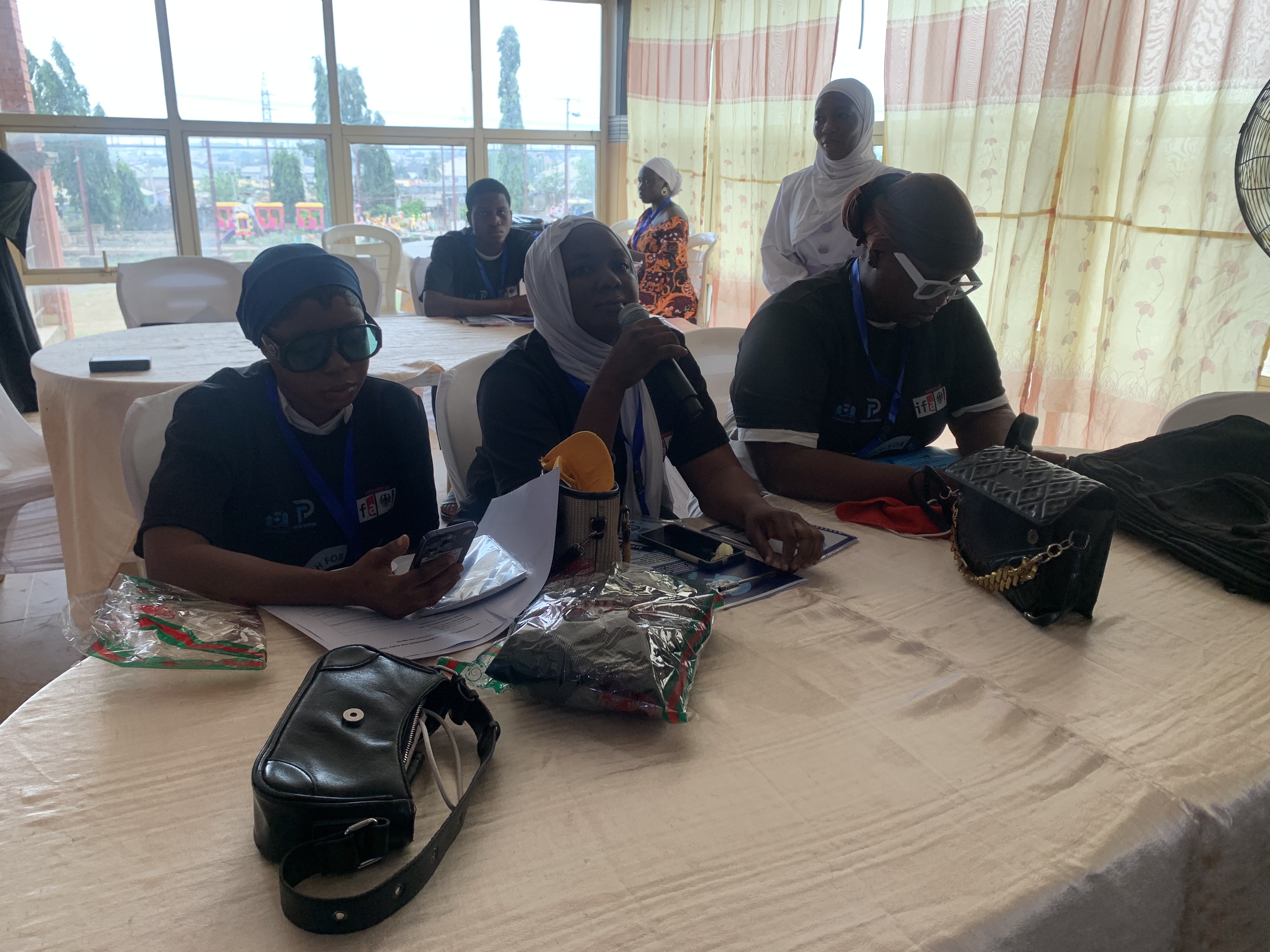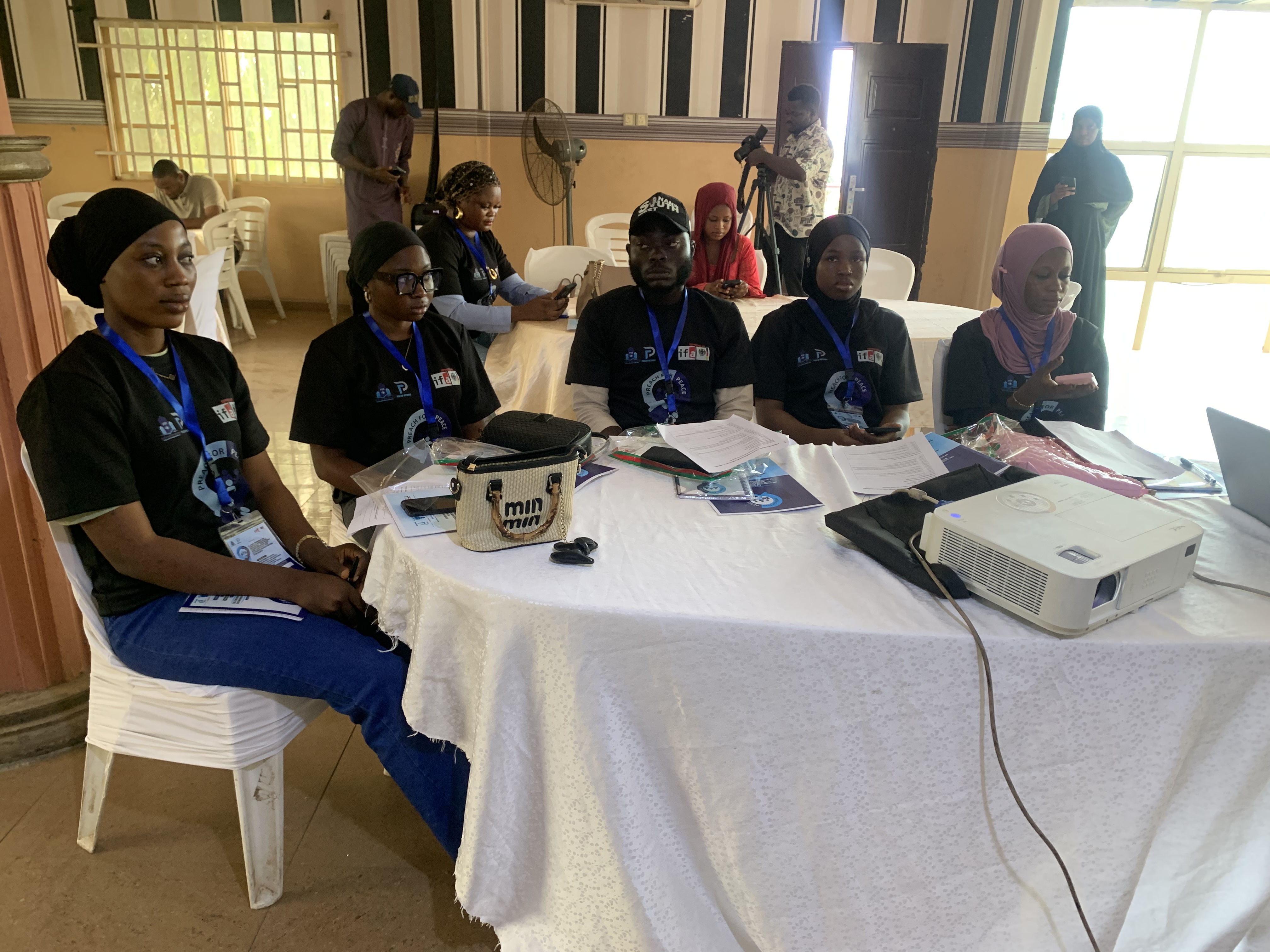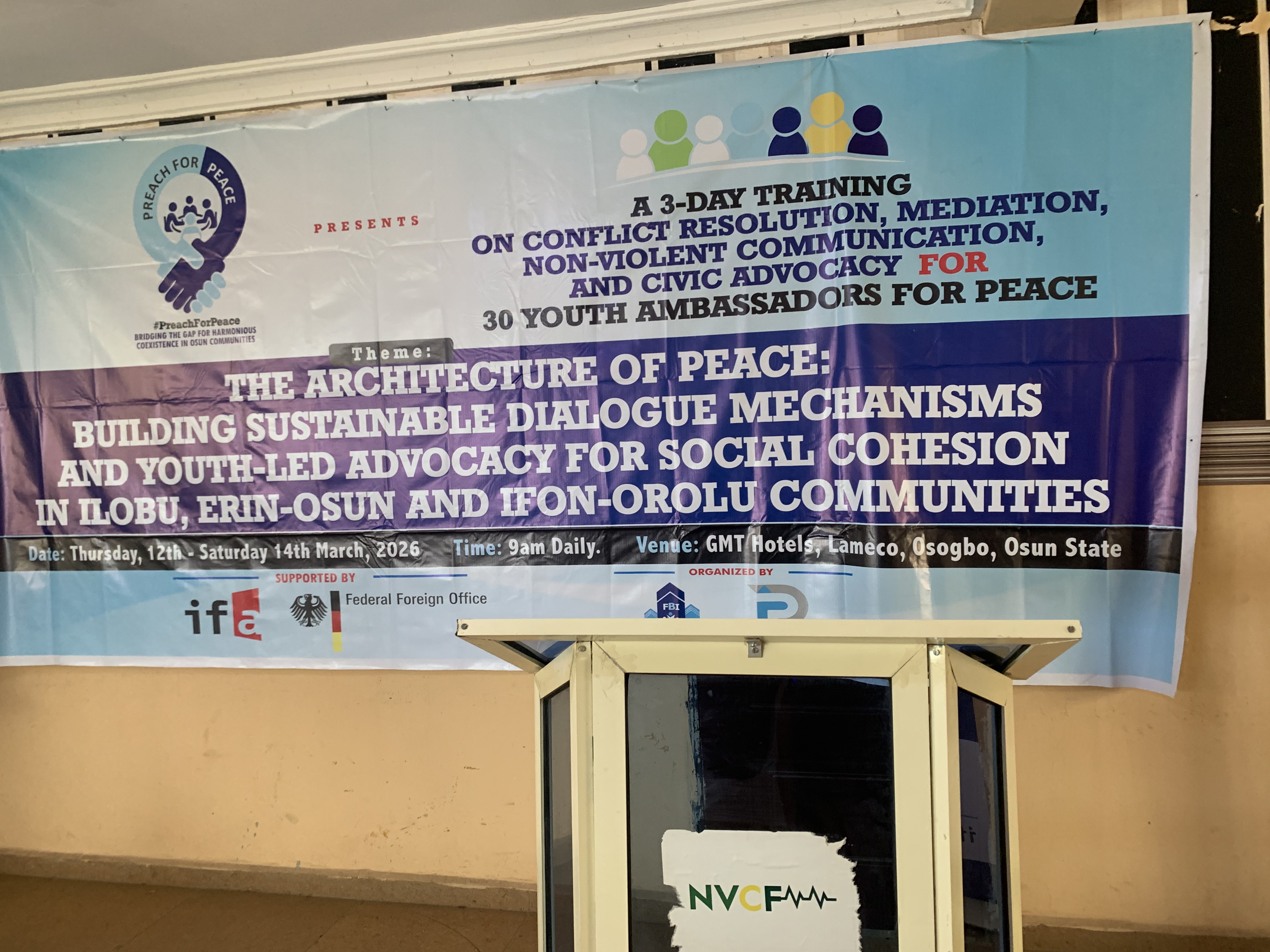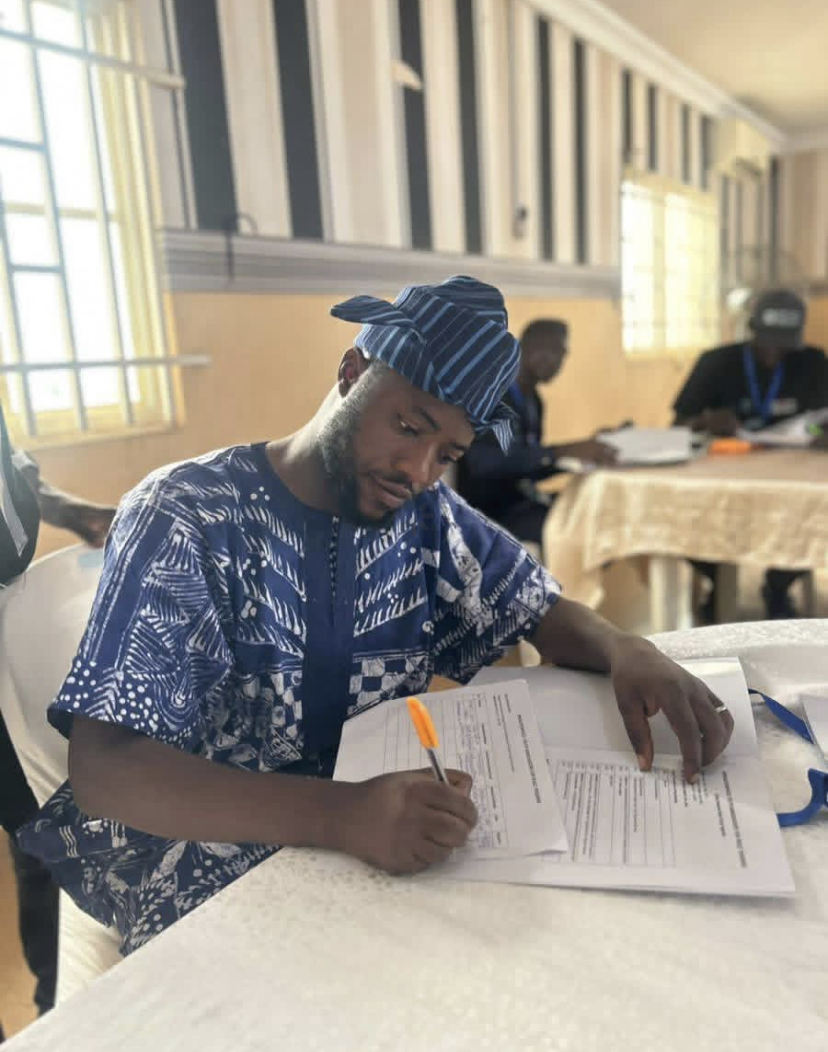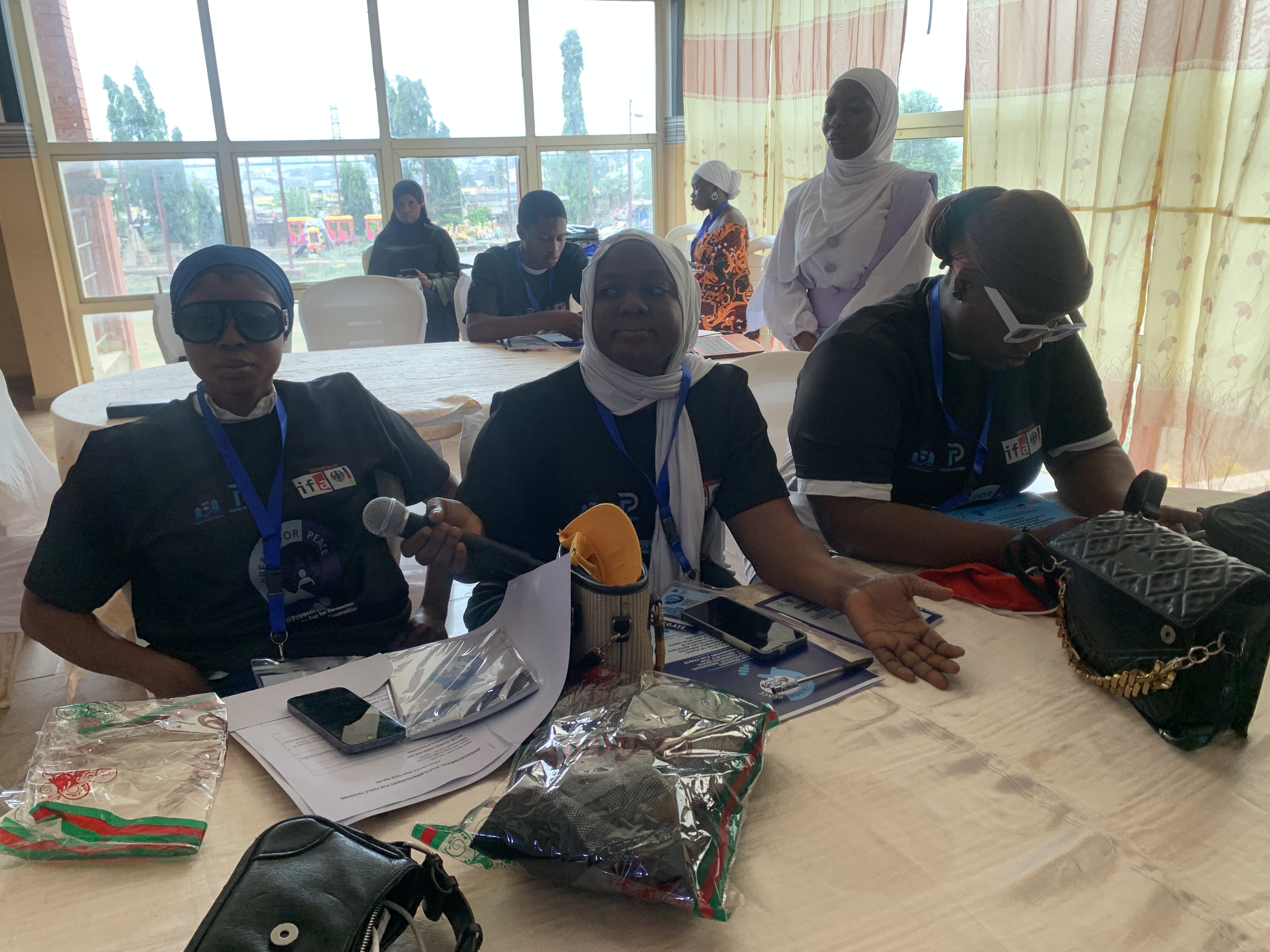
A youth-focused peacebuilding training aimed at addressing the recurring communal clashes among Ifon, Ilobu and Erin-Osun communities was held on Thursday in Osogbo.
The training, tagged “Preach for Peace,” was organised by Future Builders Initiative in partnership with Peace Education, Advocacy and Climate Action for Development Network (PEACAD Network) with support from the German Federal Foreign office through the IFA Zivik funding programme as part of efforts to promote peaceful coexistence among the three communities that have experienced decades of land dispute–related conflicts.
Speaking on behalf of Project Lead, Faridah Igbayilola, said the initiative seeks to build peace ambassadors among young people who would promote harmony and dialogue in their communities.
According to her, the project is designed to foster peaceful cohesion and reduce communal tensions between Erin-Osun, Ifon and Ilobu.
She explained that about 30 youths were selected from the three communities to participate in the training, noting that young people represent the largest population in the communities and often play critical roles in conflicts.
“We aim to create ambassadors for peace who will help bridge communal boundaries and clashes happening between these communities. They will go back to their communities to raise awareness and preach the importance of peace and harmonious coexistence,” she said.
Also speaking, the Executive Director of PEACAD Network and Project Co-Lead, Akinremi Olawale, said the training focuses on peacebuilding, mediation and dialogue.
He noted that the three communities have been involved in land disputes for over two decades, with the crisis recurring several times in recent years and leading to loss of lives and destruction of property.
“For about 20 to 30 years, these communities have been in conflict over land disputes. In the last three years alone, the clashes have occurred more than five times, which is very concerning,” he said.
Olawale added that the initiative targets youths because they are often the major actors in violent conflicts.
“To solve problems in the community, we must start with the youth. Many elders may instigate conflicts, but it is the youth who often carry them out. If they understand peacebuilding and conflict resolution, they can influence their communities positively,” he explained.
He added that the six-month project would also involve traditional rulers, chiefs and community unions, noting that stakeholders from the three communities would later be brought together to discuss sustainable solutions.
One of the facilitators, Wasiu Adebiyi, said his session focused on introducing participants to the concepts of peace, conflict and violence, and how poorly managed conflicts can escalate into violence.
He urged young people in the affected communities to resist being used for violence, particularly during political periods.
“Political seasons are often associated with violence. Youths from Ifon, Ilobu and Erin-Osun must be careful not to allow politicians to use them to cause destruction in their communities,” he warned.
Also speaking, the Global President of the Osun State University Alumni Association, Abubakar Basit Olalekan, described the programme as an intellectual platform designed to encourage dialogue and rebuild trust among the communities.
He noted that lack of trust remains a major driver of communal conflicts and stressed the need for sincere conversations among stakeholders.
“Peace may be costly, but it is never as costly as conflict. The communities must learn to trust one another and sit together to resolve their differences,” he said.
A development practitioner, Adetunji Ajala, also emphasised the importance of sustained dialogue and youth engagement in preventing future violence.
He recalled that clashes recorded around the same period last year resulted in deaths and destruction of houses across the three communities.
Ajala added that peace initiatives should be continuous and involve community leaders, youth groups and women to ensure lasting reconciliation.
One of the participants, Segun Adepoju, described the training as timely, saying it would help youths return to their communities with a new mindset focused on unity and development rather than conflict.
Participants are expected to return to their communities as peace ambassadors, promoting dialogue and encouraging other youths to embrace peaceful coexistence.