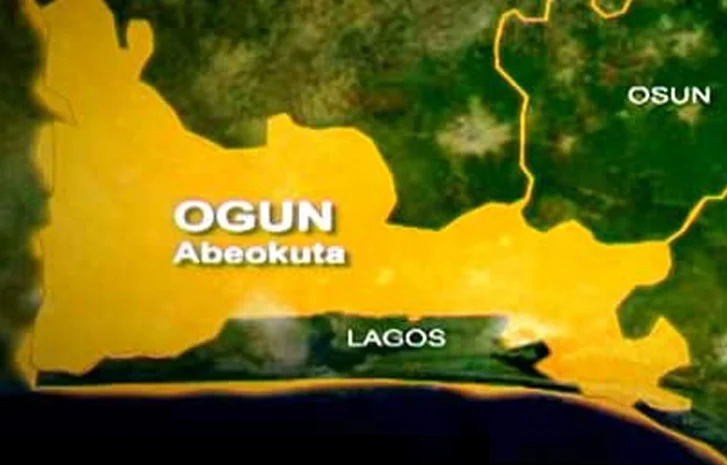
The Ogun State Government has issued a fresh flood alert ahead of the second phase of the 2026 rainy season, urging residents in flood-prone areas to stay alert and move to safer locations if needed.
In a statement on Tuesday, the Commissioner for Environment, Ola Oresanya, said the warning followed a forecast by the Nigeria Meteorological Agency, NiMet, listing Ogun among states expected to record heavy rainfall this year.
Oresanya said the first phase of the rains, from mid-March to July, brought intense downpours and isolated flash floods, but impact was minimal.
He attributed the low impact to government measures such as public awareness campaigns, regular clearing of rivers, streams and drainage channels, and improved waste management.
“Particular attention had been given to major river channels and waterways, including Sokori River and its tributaries, Opa-Aro, Adiyan, Eruwuru, Yemule, Gbogidi Canal and Ijamido rivers and streams, among others,” he said.
According to NiMet’s Seasonal Climate Prediction, the second phase of the rains will begin in September, with Ogun expected to receive intense rainfall averaging about 360mm during the month. Rainfall in inland areas is expected to drop from October into early November.
The Commissioner, however, warned that the period could bring river and coastal flooding due to prolonged rains, controlled water release from Oyan Dam, and tidal fluctuations that may slow the flow of the Ogun River.
“The combined effect could result in temporary oversaturation of wetlands and floodplains, increasing the risk of flooding in vulnerable communities,” he stated.
He listed communities at risk to include Isheri, Arepo, Mawere, Magboro, Akute and Warewa, as well as parts of Abeokuta.
Coastal communities also listed are Makun-Omi, Iwopin, Oni, Ifaara and Igele in Ogun Waterside LGA; Ebute-Imobi in Ijebu East LGA; Tungeji Island and Agosasa in Ipokia LGA; and communities along the floodplains of the Ilo and Iju Rivers.
Oresanya further advised fish farmers operating within floodplains and river corridors to harvest their stocks early to avoid losses. He specifically mentioned fish farmers in Eriwe, Yemule, Ilase and Ayegbami, and others in vulnerable areas.
He called on MDAs, local governments, emergency agencies, community leaders and other stakeholders to step up flood-response activities, monitor vulnerable areas, and ensure drainage channels are clear.
The Commissioner urged community leaders to intensify public awareness, noting that “timely information and early action remained critical to minimising the impact of potential flooding.”
He said the state government would continue to monitor weather and hydrological conditions with NiMet, the Nigeria Hydrological Services Agency, the Ogun-Osun River Basin Development Authority and other partners.
Oresanya assured residents that efforts to reduce flood impact would continue, and thanked them for their cooperation during the first phase of the rains.
He urged residents to take the advisory seriously and watch out for further updates from the government and emergency agencies.