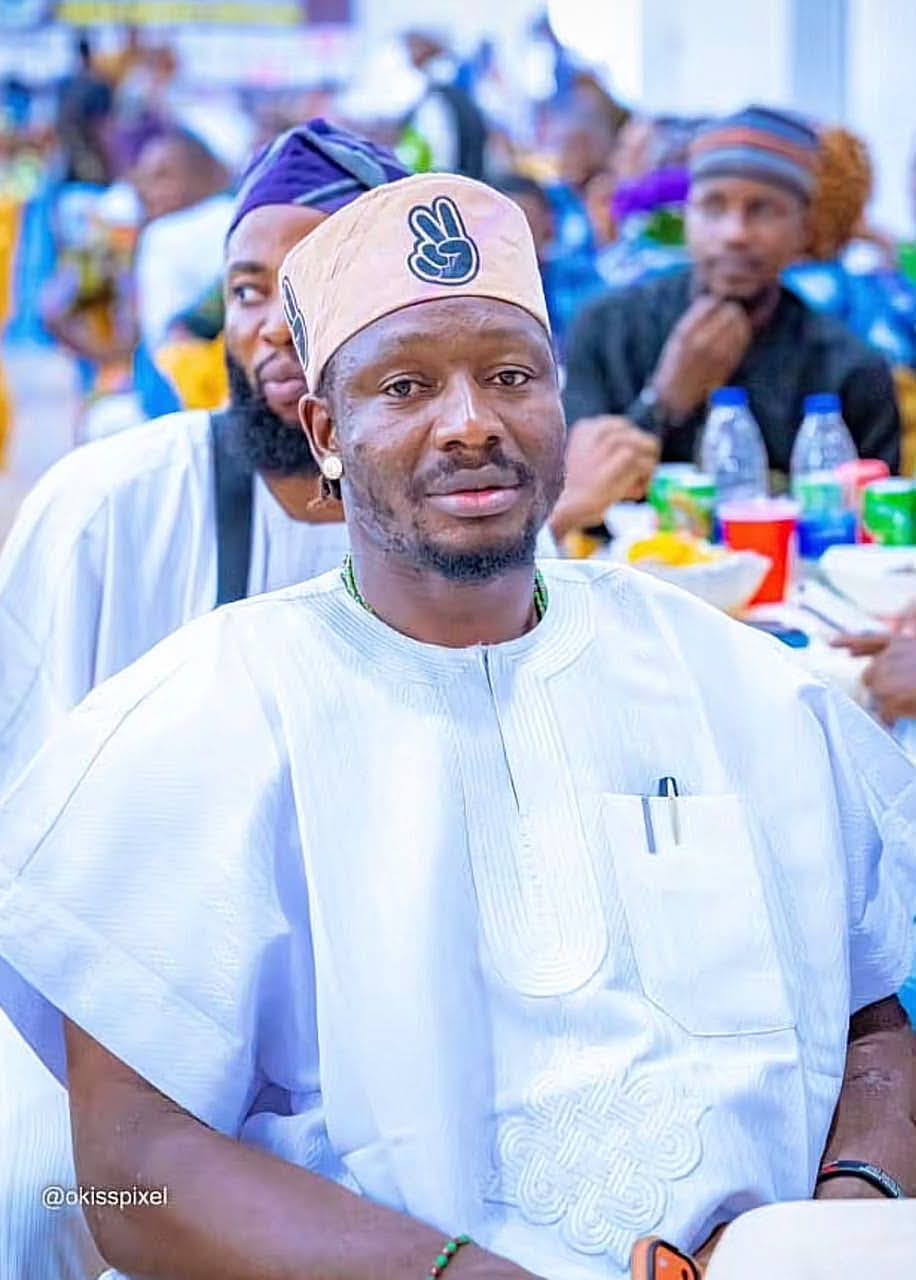
What type of whitewashing is this? That’s what came to mind after seeing so many narratives about the murdered Emir Ajagungbade. A political enforcer of immense repute, I make it bold to say that we can never count 5 leading enforcers in Osun without mentioning Emir. Oga Kan, omose one million!
So where is the ajìjàgbara narrative coming from?
No activist, dead or alive, is addressed as “Olúwaàmi” by any of their followers; those are names only meant for ruthless street enforcers. Not even Gani Fawehinmi, of blessed memory, is so addressed. Emir or any other enforcer don’t get such a cognomen through ajijagbara but through extreme street violence.
This emerging trend is not only about covering up crimes by the powerful. It is also about airbrushing a life to create a martyr where none existed. It takes a flawed, confrontational history and replaces it with a sanitised portrait of a peacemaker, a leader without blemish, whose death was an unprovoked tragedy by unknown enemies. In doing so, it does double harm: it misleads the public about who truly was lost, and it shields those who may have been drawn into conflict precisely because of that very history.
The murder of Emir Ajagungbade has laid bare this dynamic, as voices close to him rush to recast his life, erasing well-documented patterns of aggression in favour of a one‑sided narrative of “activism” and philanthropy.
By all accounts, Olalekan Oyeyemi, popularly known as Emir Ajagungbade, was no stranger to violence. His public record was marked by repeated allegations of violence, intimidation, and strong-arm tactics on the streets of Osogbo and in Osun State political circles. He was seen by many not as a freedom fighter, but as a figure who thrived on conflict, someone who wielded influence through force, Emir made enemies swiftly, and operated in spaces where disputes too often turned deadly.
These were not whispers; they were open secrets in Osogbo and across Osun State. His life was steeped in violent business, and his death, however tragic, cannot be fully understood without acknowledging the turbulent, often hostile ground he occupied.
Yet now, in the wake of his murder, there is a determined effort to scrub this history clean. Statements omit the threats he faced and the threats he issued; tributes speak only of philanthropy and service, ignoring the fear his name inspired; calls for justice are framed as though he was a neutral bystander struck down from nowhere.
This is classic whitewashing: selecting only the facts that honour him while discarding those that explain the context of his murder. Understandably, family and supporters grieve, but grief should not license fiction. To present him as entirely innocent is to mislead the public and, crucially, to undermine the search for real answers, because it excludes the very conflicts that may have led to his death. Emir Ajagungbade was an actor, not a spectator in the game of violence, the throne of political thuggery.
This selective narrative carries real dangers. When a life of aggression is erased from the record, the investigation itself risks going astray, chasing phantom conspiracies while ignoring long‑standing feuds and rivalries rooted in his own actions. Whitewashing does not honour Ajagungbade; it betrays his very existence, because it prevents the full truth from emerging. It also sends a perilous message: that even those who live by violence can be posthumously repackaged as victims, and that accountability can be tailored to suit the narrative survivors prefer.
Justice demands seeing the whole picture — not the version that makes people comfortable, but the one that reflects who he was, the company he kept, and the enemies he made.
The proper respect for Emir Ajagungbade’s memory is not to rewrite his life, but to acknowledge it in full. He was a man of influence who did good and also did harm; he built, and he battled; he nurtured and uprooted; he was both a benefactor to some and a threat to others. His death deserves a thorough, impartial investigation, one that follows every lead, examines every motive, and does not shrink from uncomfortable truths.
But that investigation must start from reality, not from a polished, invented legacy. To obscure his past is not loyalty; it is to deny both him and the Osun people the honest reckoning that true justice requires.
May Olalekan Asimiyu Oyeyemi Emir Ajagungbade find eternal rest!
My name is Waheed Saka. I write this night from the beautiful city of Doha