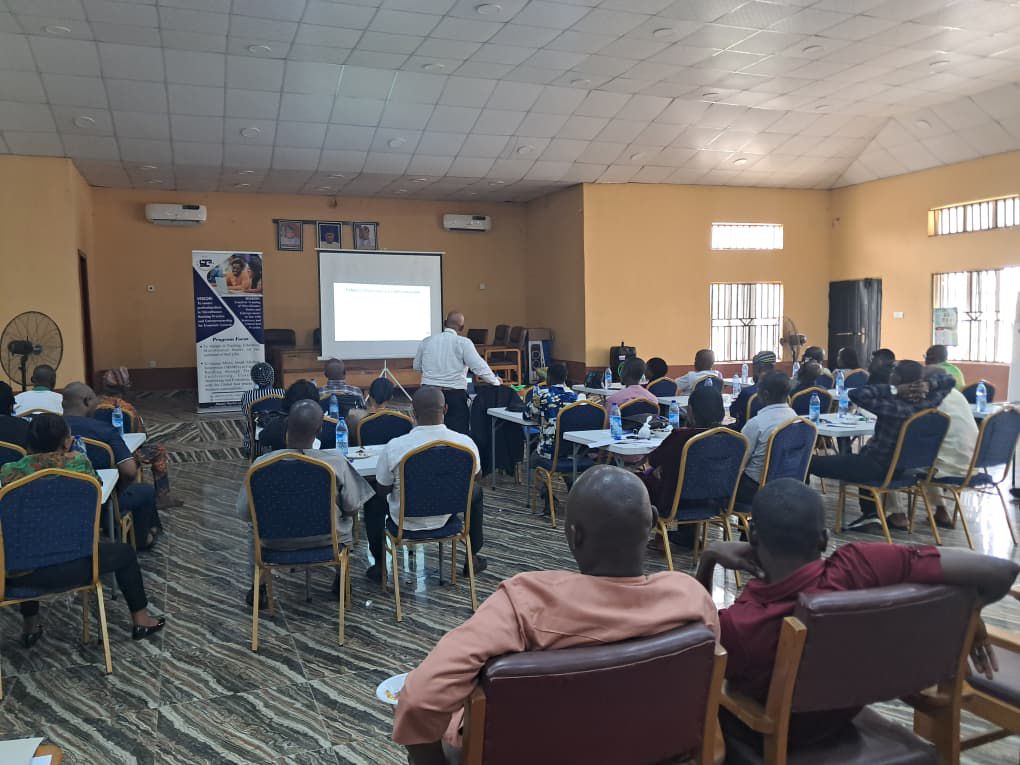
Microfinance bank operators in Osun State have intensified efforts to strengthen regulatory compliance and curb financial crimes following a specialised training on anti-money laundering and counter-financing of terrorism.
The training, organised by the Osun State chapter of the National Association of Microfinance Banks (NAMB), held at its secretariat in Alanomo, Osogbo, brought together managing directors and key management staff from across the state.
It’s part of the quarterly training by the association to strengthen the ecosystem and place the institutions on the path of growth.
Speaking at the event, the Vice Chairman of the association and Managing Director of Ospoly Microfinance Bank, Alhaji Dauda Adebisi Balogun, said the training was designed to equip members with up-to-date knowledge on fraud prevention and regulatory requirements.
“The training is focused on anti-money laundering, fraud prevention and combating the financing of terrorism,” Balogun said.
“We chose this topic because it is a legal requirement of regulatory authorities, especially the Central Bank of Nigeria.”
He noted that the association remains committed to compliance, stressing that ignorance of financial regulations is not an excuse.
“In law, there is no ignorance. You have to train and retrain your staff until they understand,” he said. “If you fail to comply, the CBN will sanction you, and such penalties must be disclosed in audited accounts, which can negatively affect the bank.”
Balogun added that the training is conducted quarterly and is certificated to meet regulatory expectations.
“Whenever the CBN or NDIC comes for inspection, they check whether staff have received training. That is why we ensure this is done regularly,” he explained. “The impact is visible in the way participants contribute and engage during sessions.”
Oloyede Lateef of SL Professional Business School, Abeokuta, emphasised the importance of compliance in safeguarding the economy.
“Anti-money laundering is a critical compliance requirement for all financial institutions,” he said. “If not properly managed, money laundering can destroy an economy.”
Lateef explained that the training also covered issues such as proliferation financing and fraud prevention.
“All staff must be educated to identify suspicious transactions and report them appropriately,” he said.
“This is necessary to prevent accounts being used for terrorism financing or other illegal activities.”
He urged institutions to sustain regular training programmes.
“My message is that banks should continue to organise such trainings so that staff remain aligned with regulatory expectations and help curb financial crimes,” he added.
Participants at the training described the programme as timely and impactful.
One of the Participant, Dumoye Oluwamuyiwa of Ibu-Aje Microfinance Bank said the session provided deeper insights into financial crime prevention.
“I have learnt a lot about anti-money laundering and counter-financing of terrorism,” he said. “These issues are major challenges affecting our country, and as bankers, we must play our part in addressing them.”
He added that the training would enhance their capacity to detect and mitigate financial risks.
“Most of these crimes pass through the financial system, so we must be vigilant,” he said. “We will implement what we have learned when we return to our offices.”
Another participant, Ogundipe Babajide, said the training served as a reminder of their professional responsibilities.
“This programme has deepened our understanding of anti-money laundering policies and regulatory requirements,” he said. “It has also reminded us of the importance of timely reporting to the Central Bank.”
He pledged to cascade the knowledge gained to other staff members.
“When I get back to my office, I will educate my team and ensure we follow all required procedures to avoid sanctions,” he said.
Organisers said the training is part of ongoing efforts to strengthen the capacity of microfinance institutions in Osun State, enhance compliance with regulatory standards, and contribute to the fight against financial crimes in Nigeria.